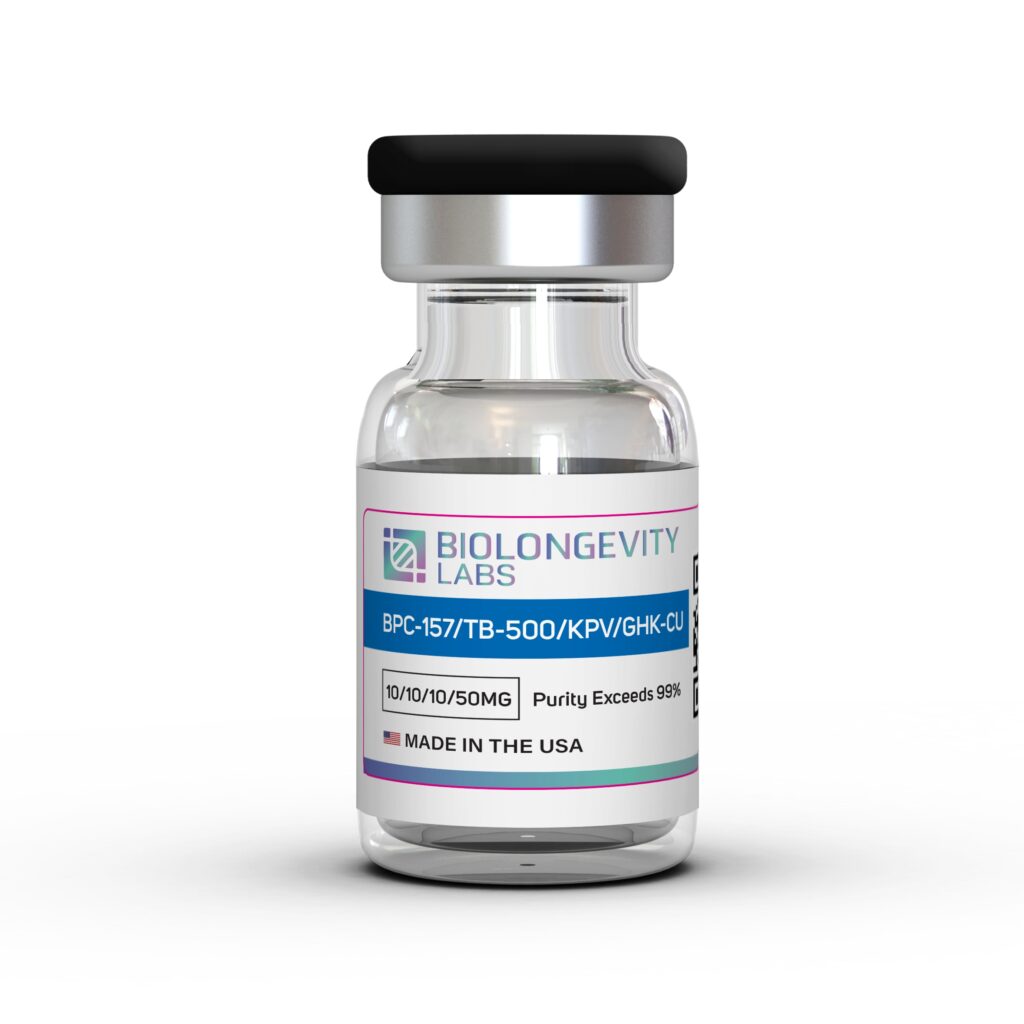
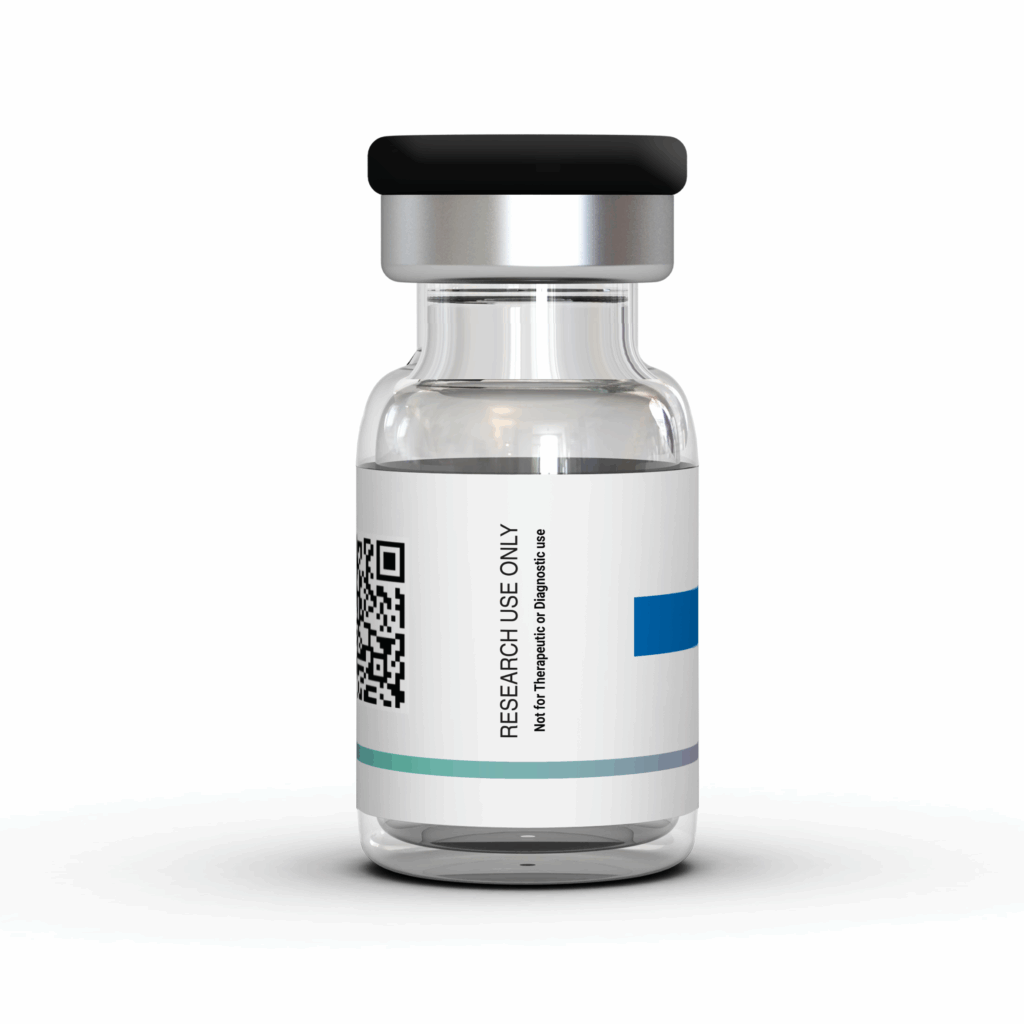
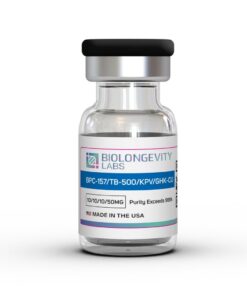
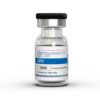
KLOW Blend (GHK-Cu, BPC-157, TB-500, KPV) 80mg For Sale
KLOW blend combining GHK-Cu, BPC-157, TB-500, and KPV for laboratory research of tissue repair, vascular formation, and cellular signaling in vitro.
KLOW Blend Product Description
This synthetic peptide blend combines four regenerative peptides into a single vial for studies examining complementary tissue regeneration and inflammation reduction pathways:
- GHK-Cu up-regulates wound healing processes and drives collagen production, elastin, and angiogenic growth-factor expression in laboratory models.
- BPC-157 (Body Protection Compound-157) exhibits gastro-protective, soft-tissue repair, and anti-inflammatory actions through nitric-oxide signaling, growth-factor receptor modulation, and cytokine balance.
- TB-500 (Thymosin Beta-4 Fragment) enhances cell migration and angiogenesis via actin-sequestering and integrin-linked pathways.
- KPV (Lys-Pro-Val) functions as an anti-inflammatory tripeptide that modulates immune signaling cascades, inhibits inflammatory cytokine production, and regulates mast cell activation without melanocortin receptor binding.
Researchers can examine potential synergy across copper-mediated extracellular-matrix activation (GHK-Cu), cytoprotective signaling (BPC-157), actin-dependent cell motility (TB-500), and immune-modulatory pathways (KPV). In vitro and ex vivo models evaluate collagen deposition rates, angiogenic indices, inflammatory marker expression, and controlled tissue recovery metrics.
Composition: 80 mg lyophilized blend per vial
50 mg GHK-Cu | 10 mg BPC-157 | 10 mg TB-500 | 10 mg KPV
Peptide Information
| Property | GHK-Cu | BPC-157 | TB-500 | KPV |
|---|---|---|---|---|
| Sequence | Gly-His-Lys.Cu.xHAc | Gly-Glu-Pro-Pro-Pro-Gly-Lys-Pro-Ala-Asp-Asp-Ala-Gly-Leu-Val | Ac-Ser-Asp-Lys-Pro-Asp-Met-Ala-Glu-Ile-Glu-Lys-Phe-Asp-Lys-Ser-Lys-Leu-Lys-Lys-Thr-Glu-Thr-Gln-Glu-Lys-Asn-Pro-Leu-Pro-Ser-Lys-Glu-Thr-Ile-Glu-Gln-Glu-Lys-Gln-Ala-Gly-Glu-Ser | Lys-Pro-Val |
| Molecular Formula | C₁₄H₂₃CuN₆O₄ | C₆₂H₉₈N₁₆O₂₂ | C₂₁₂H₃₅₀N₅₆O₇₈S | C₁₇H₃₂N₆O₄ |
| Molecular Weight | 401.91 g/mol | 1419.5 g/mol | 4963.55 g/mol | 384.48 g/mol |
| PubChem CID | 73587 | 9941957 | 16132341 | 125672 |
| CAS Number | 89030-95-5 | 137525-51-0 | 77591-33-4 | 67727-97-3 |
| Synonyms | Copper peptide GHK, Cu-GHK, NSC 661251 | PL-14736, Body-Protection Compound-157, Bepecin | Thymosin-β4 fragment 17-23, TB-500 acetate, Ac-LKKTETQ | α-MSH fragment (11–13), Tripeptide KPV, Ac-KPV-NH2 |
Lyophilized Peptides
All four peptides are supplied in a freeze-dried, filler-free state to maximize stability and preserve chemical integrity during refrigerated or frozen storage. Reconstitute with sterile solvent immediately prior to experimental use and store aliquots at ≤ –20 °C to prevent repeated freeze–thaw cycles.
Research Overview: GHK-Cu, BPC-157, TB-500, and KPV
Laboratory investigations reveal synergistic mechanisms for cellular repair, vascular formation, and inflammatory modulation—valuable tools for in vitro research applications.
Angiogenesis and Vascular Formation
BPC-157 demonstrates a unique mechanism by upregulating VEGFR2 expression without affecting VEGF-A levels. This unusual pathway activates the VEGFR2-Akt-eNOS signaling cascade in vascular endothelial cell cultures[1].
GHK-Cu increased VEGF and bFGF expression by 230% in irradiated human dermal fibroblasts at nanomolar concentration[2]. Liposomal delivery systems showed 33.1% increased HUVEC proliferation rates with enhanced expression of cell cycle proteins[3].
TB-500 acts as a potent endothelial cell chemoattractant, stimulating 4-6-fold increases in HUVEC migration[4]. The peptide’s seven amino acid sequence LKKTET shows activity at approximately 50 nanomolar concentration.
Tissue Repair and Regeneration
The actions of the GHK-Cu peptide include modulating 31.2% of human genes (4,192 genes) with ≥50% expression changes[5]. The peptide binds to integrin-linked kinase on cell membranes, activating ILK-related pathways.
BPC-157 promotes tissue regeneration through FAK-paxillin pathway activation. This mechanism dramatically increases phosphorylation of focal adhesion kinase and paxillin proteins without changing total protein amounts[6].
TB-500’s regenerative effects stem from G-actin sequestration activity—binding monomeric G-actin in a 1:1 ratio. Rat wound healing models demonstrated 42-61% increased reepithelialization with enhanced collagen deposition[7].
Collagen Synthesis and Extracellular Matrix
GHK-Cu stimulates collagen synthesis at picomolar to nanomolar concentrations[8]. The peptide increased decorin production by 302% and stimulated glycosaminoglycan accumulation in skin fibroblasts.
BPC-157 enhances collagen formation across multiple tissue types in animal models. Studies show significantly increased collagen, reticulin, and blood vessel formation[9].
TB-500 demonstrates anti-fibrotic properties while promoting organized collagen deposition. Treated wounds show tightly organized mature collagen fibers with reduced myofibroblast formation[10].
Inflammatory Modulation
GHK-Cu works to reduce inflammation by inhibiting NF-κB p65 and p38 MAPK pathways. The peptide decreased ROS levels and reduced production of pro-inflammatory cytokines TNF-α and IL-6 in macrophage cell cultures[2].
BPC-157 decreased TNF-α, IL-6, and IL-1β levels in tissue samples. The peptide reduced COX-2 gene expression and myeloperoxidase activity in various inflammation models[11].
TB-500 exhibits biphasic regulation of the inflammatory response. The peptide downregulates TNF-α (6.2-fold reduction) and IL-6 (4.1-fold reduction) while upregulating anti-inflammatory IL-10 (8.1-fold increase)[12].
KPV inhibitsNF-κB activation at nanomolar concentrations through stabilization of IκB-α and prevention of p65RelA nuclear translocation[13]. The tripeptide enters cells via PepT1 transporter and reduces pro-inflammatory cytokine secretion in intestinal epithelial cells and macrophages[14].
Neuroprotection and Neural Mechanisms
GHK-Cu increases production of nerve growth factor and neurotrophins NT-3 and NT-4[15]. Delivery showed enhanced spatial memory and learning navigation in aging models.
BPC-157 demonstrates complex neurotransmitter system modulation[16]. The peptide interacts with dopaminergic systems without directly binding to dopamine receptors.
TB-500 provides neuroprotection through anti-apoptotic effects via caspase-3 inhibition. The peptide promotes oligodendrocyte progenitor cell proliferation and differentiation through p38 MAPKupregulation[17].
Cellular Migration and Proliferation
TB-500’s G-actin sequestration represents the primary mechanism for cellular migration[7]. Local photorelease of caged TB-500 causes directional cell turning in locomotingkeratocytes.
GHK-Cu acts as a potent chemoattractant for macrophages, mast cells, and capillary endothelial cells[18]. Irradiated fibroblasts treated with GHK showed growth dynamics similar to non-irradiated control cells.
BPC-157 regulates cellular migration through ERK1/2 phosphorylation[19]. Downstream transcription factors showed dramatic upregulation: c-Fos by 4.99-fold, c-Jun by 7.05-fold, and Egr-1 by 3.70-fold.
KPV promotes migration of keratinocytes and fibroblasts through modulation of collagen metabolism[20]. In corneal epithelial cell cultures, KPV increased cell viability at concentrations of 1-10 μM.
Wound Healing Mechanisms
BPC-157 demonstrates route-independent efficacy. The peptide accelerates cellular repair phases including inflammation, collagen deposition, angiogenesis, and epithelial repair[9].
GHK-Cu enhances wound healing through systemic effects and local tissue remodeling. Collagen dressing with incorporated GHK resulted in faster wound contraction and higher glutathione and ascorbic acid levels[5].
TB-500 promotes organized wound repair with anti-scarring properties. The peptide enhanced wound contraction by 11% and increased reepithelialization by 42-61% in full-thickness wound models[10].
KPV accelerates mucosal healing in dose-dependent manner[14]. In corneal epithelial wound models, KPV-treated tissue achieved complete re-epithelialization within 60 hours[20].
Oxidative Stress Response
GHK-Cu demonstrates potent ROS reduction in cell cultures[21]. The peptide increased superoxide dismutase activity and quenched hydroxyl and peroxyl radicals.
TB-500 provides targeted upregulation of antioxidant enzymes[11]. Pretreatment reduced intracellular ROS levels and upregulated Cu/Zn-SOD and catalase.
BPC-157 functions as a free radical scavenger. The peptide normalizes nitric oxide and malondialdehyde levels while increasing expression of antioxidant enzymes heme oxygenase-1 and NOS-3[11].
KPV inhibits reactive oxygen species production in keratinocytes exposed to oxidative stress[22]. The peptide modulates ERK and p38 MAPK pathways to protect cells from oxidative damage while maintaining cellular viability.
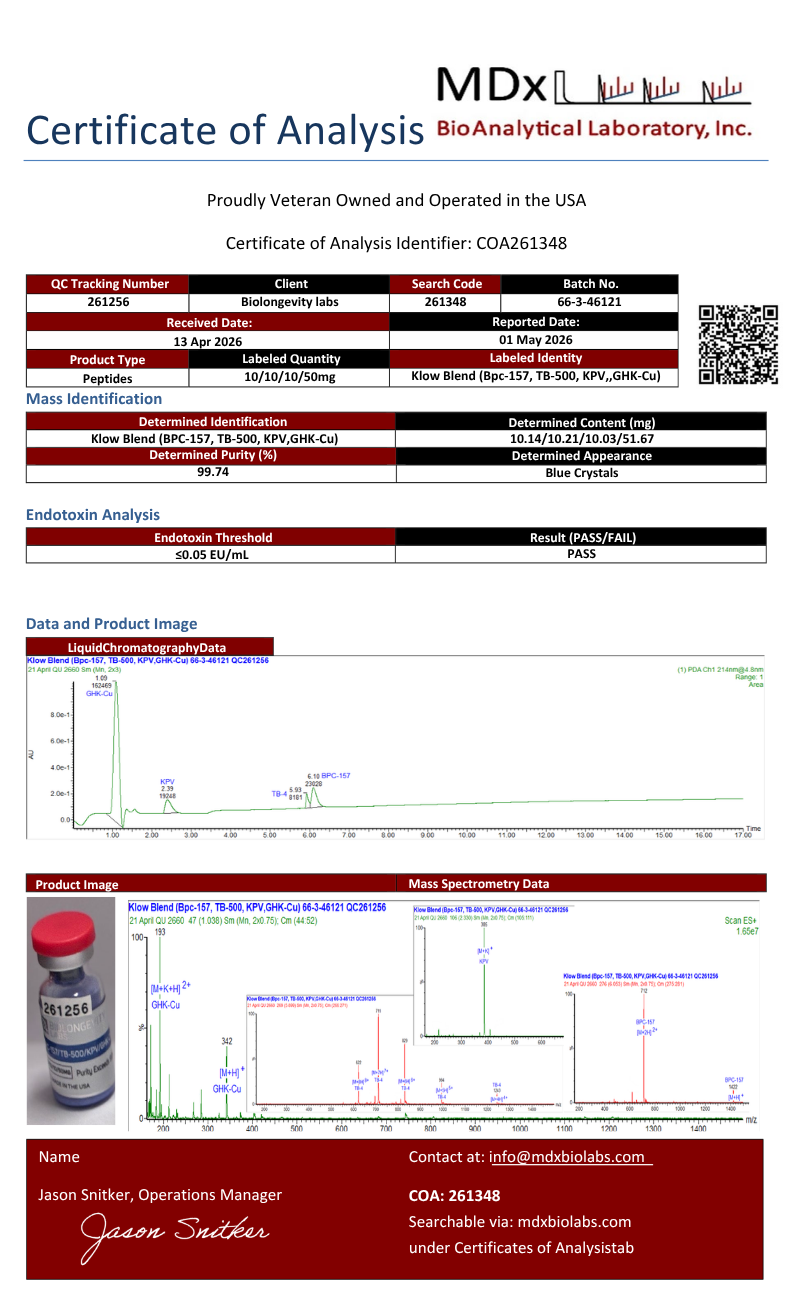
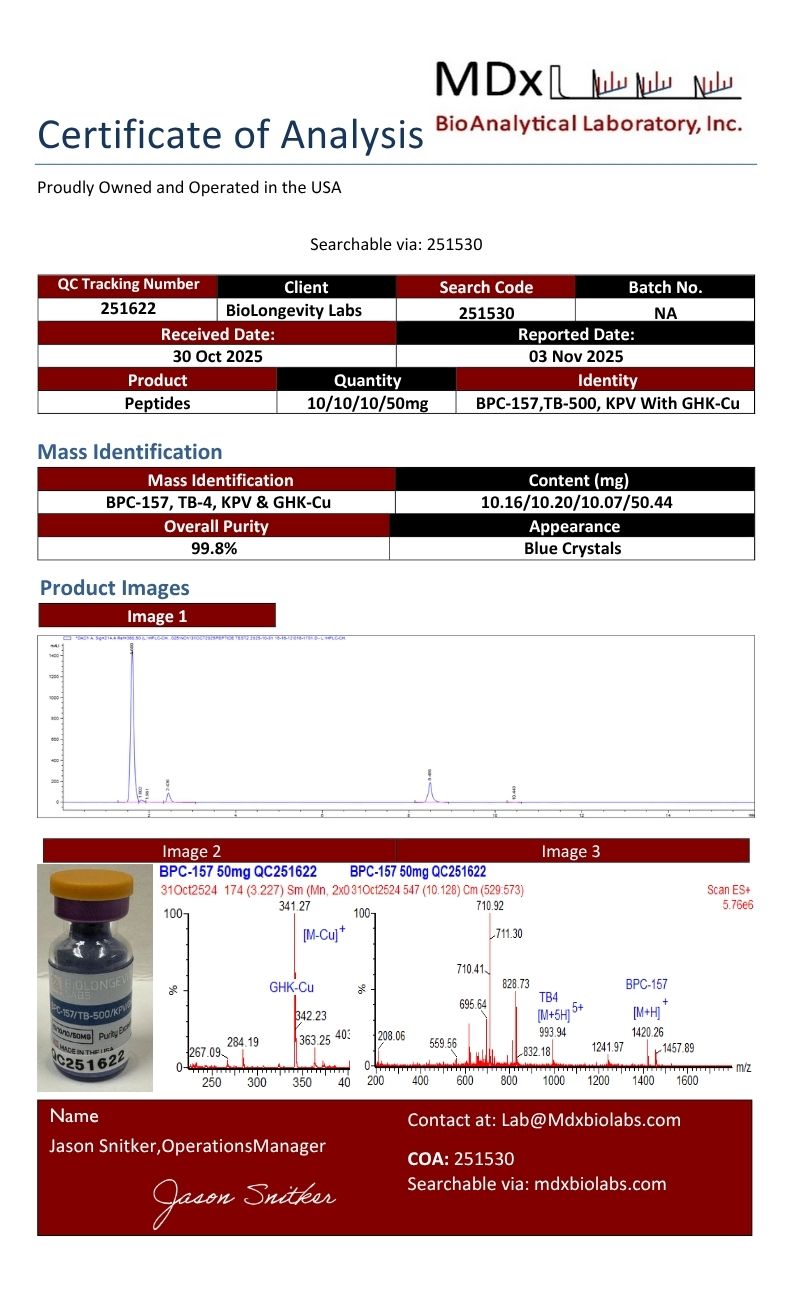
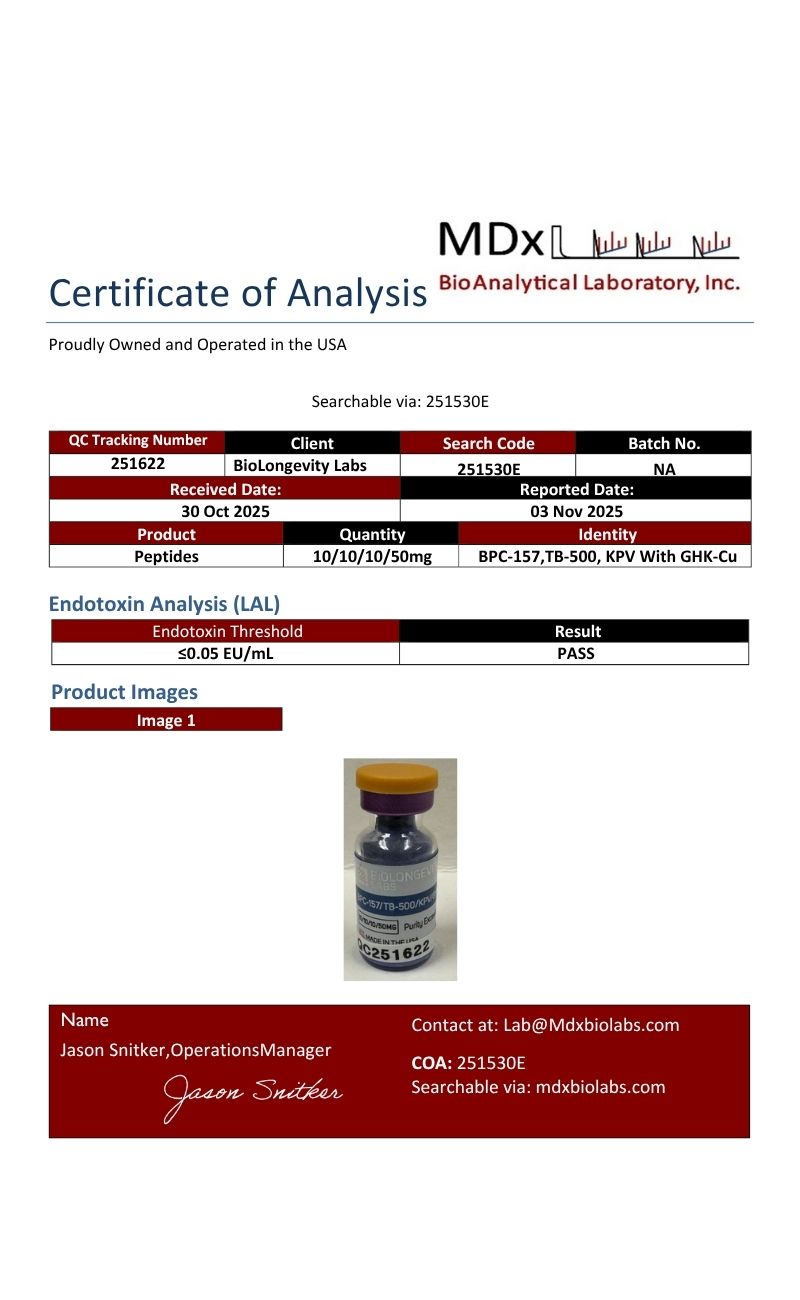
Certificate of Analysis (COA) for Every Batch
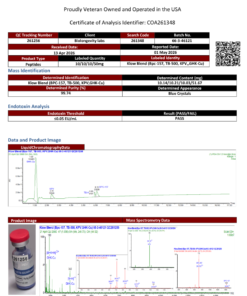
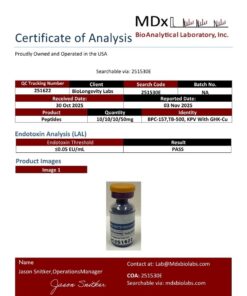
A Certificate of Analysis (COA) is a document that verifies a compound’s identity, purity, and batch quality through independent laboratory testing. Every compound from BioLongevity Labs ships with a COA tied to its specific batch, so researchers can confirm exactly what they received before it enters a protocol.
Each COA reports results from third-party laboratory analysis, including:
- High-performance liquid chromatography (HPLC) for purity, typically confirmed at 99% or higher
- Liquid chromatography mass spectrometry (LC-MS) for molecular identity and mass confirmation
- Sterility and endotoxin screening where applicable
- Chemical contaminant and residual solvent checks
COAs are sourced from independent certified labs rather than in-house testing alone, giving researchers a verifiable record of molecular integrity for each batch. All compounds are supplied for research use only.


Reviews
There are no reviews yet.