
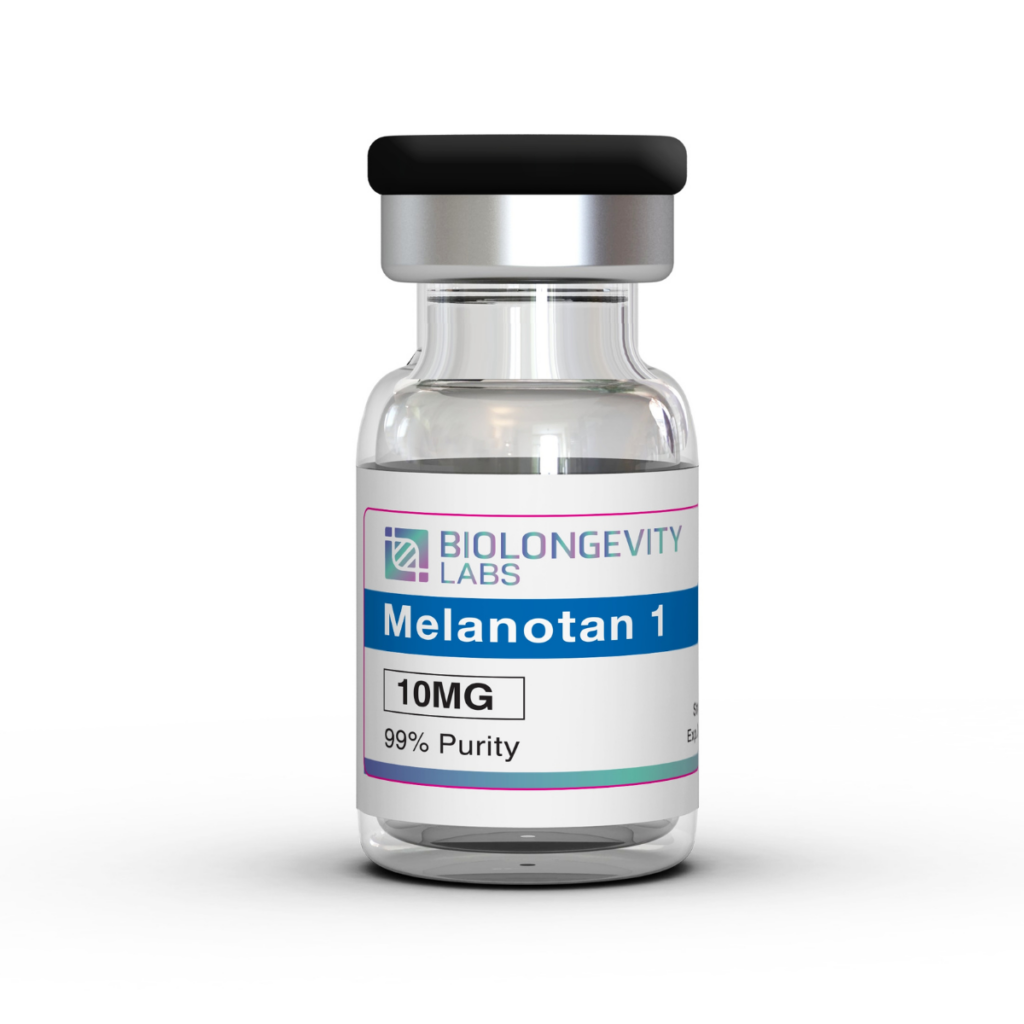

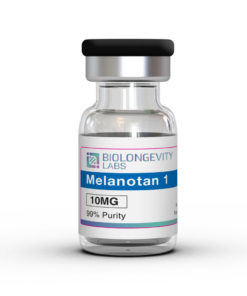

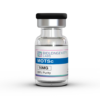

Melanotan-1 Research Overview
Melanotan-1 is a synthetic analog of alpha-melanocyte stimulating hormone (α-MSH). The peptide binds to melanocortin receptors, particularly MC1R, through a conserved sequence containing histidine, phenylalanine, arginine, and tryptophan residues[1].
The compound shows enhanced stability compared to endogenous α-MSH. Research examines its effects across multiple physiological systems where melanocortin signaling operates.
Melanogenesis Research
MC1R binding initiates cAMP-dependent signaling cascades in melanocytes. This activation upregulates tyrosinase and related enzymes that control pigment synthesis[2].
The signaling pathway promotes eumelanin production rather than pheomelanin. Expression of microphthalmia-associated transcription factor increases, regulating downstream pigmentation genes[3].
DNA Repair Mechanisms
MC1R activation enhances nucleotide excision repair through cAMP-dependent pathways. Protein kinase A phosphorylates ATR at serine 435, improving XPA recruitment to DNA damage sites[4].
The pathway accelerates removal of UV-induced photolesions. Base excision repair enzymes like OGG1 and APE1 show increased expression.
Anti-Inflammatory Pathways
Melanocortin receptor engagement on macrophages modulates NF-κB signaling. MC1R and MC3R activation reduces pro-inflammatory cytokine production and nitric oxide generation[5].
Anti-inflammatory mediator production increases, including IL-10. In neural injury models, microglial activation decreases and CD206-expressing phenotypes emerge[5][6].
Leukocyte adhesion and neutrophil infiltration decline in affected tissues[7].
Oxidative Stress Response
MC1R signaling modulates reactive oxygen species production and antioxidant defenses. Expression of superoxide dismutase, glutathione peroxidase, and catalase increases[8].
The pathway activates PI3K/Akt/Nrf2 signaling in neural tissue. Phase II detoxification enzymes and antioxidant proteins show enhanced expression[8].
Mitochondrial dynamics shift, affecting fission-fusion balance and uncoupling protein expression[9].
Neuroprotective Studies
MC1R activation influences AMPK, SIRT1, and PGC-1α pathways that regulate mitochondrial metabolism. Oxidative phosphorylation efficiency and ATP production change[8].
Apoptotic signaling shifts toward anti-apoptotic proteins. Oxidative damage markers decrease in cerebral injury models. Caspase-mediated death pathways show reduced activation[6][8].
Blood-brain barrier integrity parameters shift in experimental systems[10].
Hepatic Research
Melanocortin signaling reduces hepatic neutrophil infiltration in endotoxin models. Systemic nitric oxide production decreases[11].
Cytokine and chemokine expression patterns change in liver tissue[12]. Cellular stress response pathways may be involved, though mechanisms need more study.
Erythropoietic Research
Studies in erythropoietic protoporphyria suggest effects on erythroblast survival. Observations indicate potential modulation of protoporphyrin accumulation[13].
Molecular mechanisms in erythroid cell populations require additional research. Melanocortin receptor signaling pathways known in other cell types may apply.
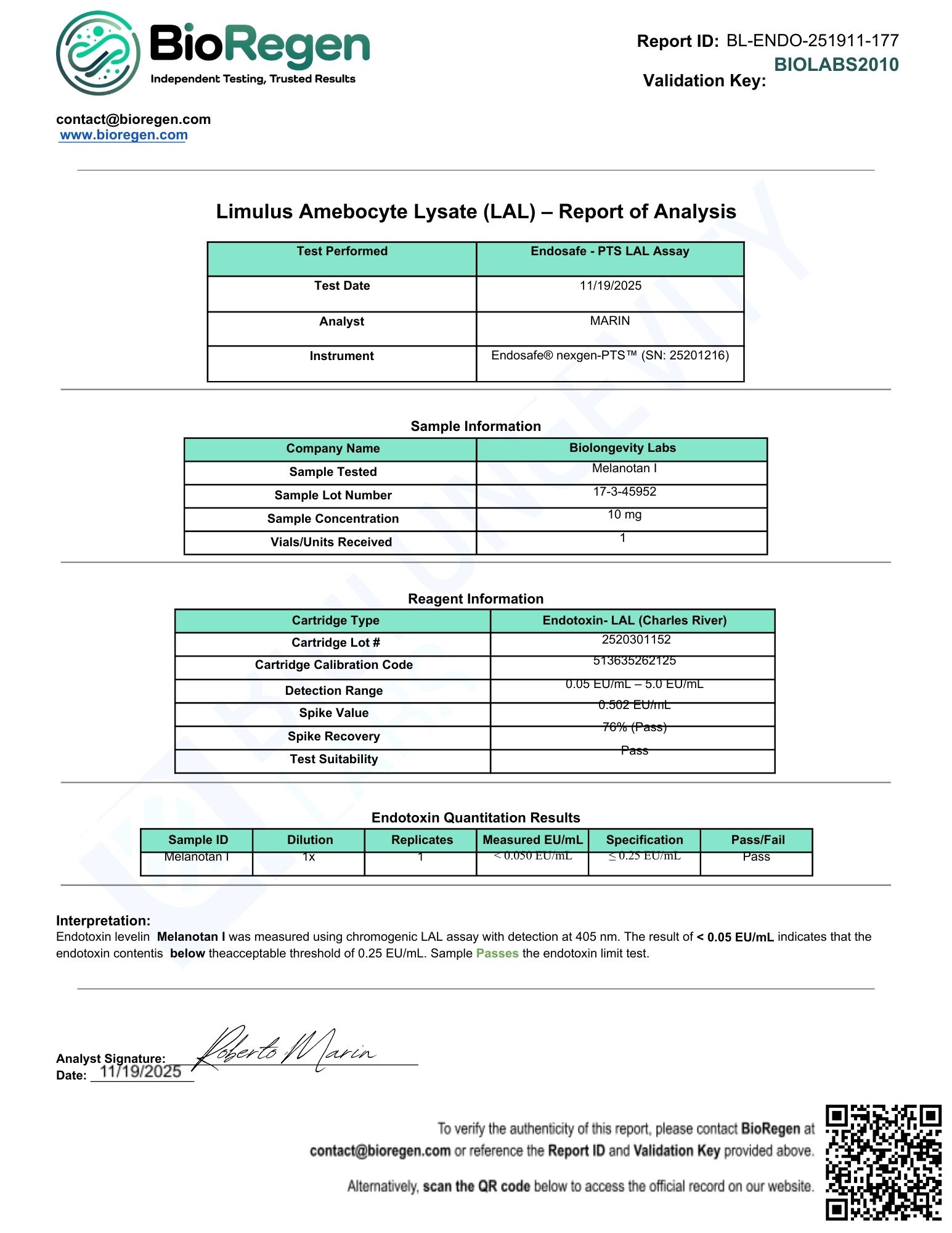
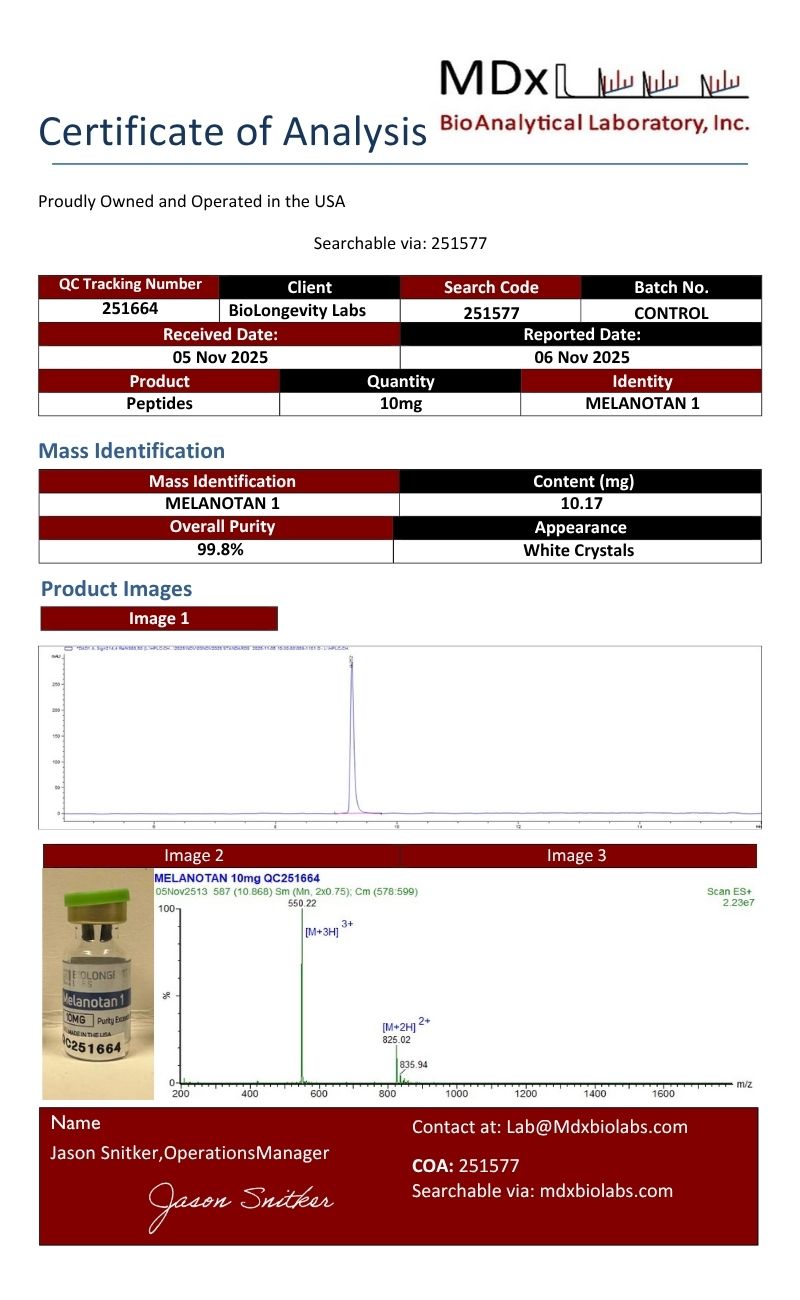
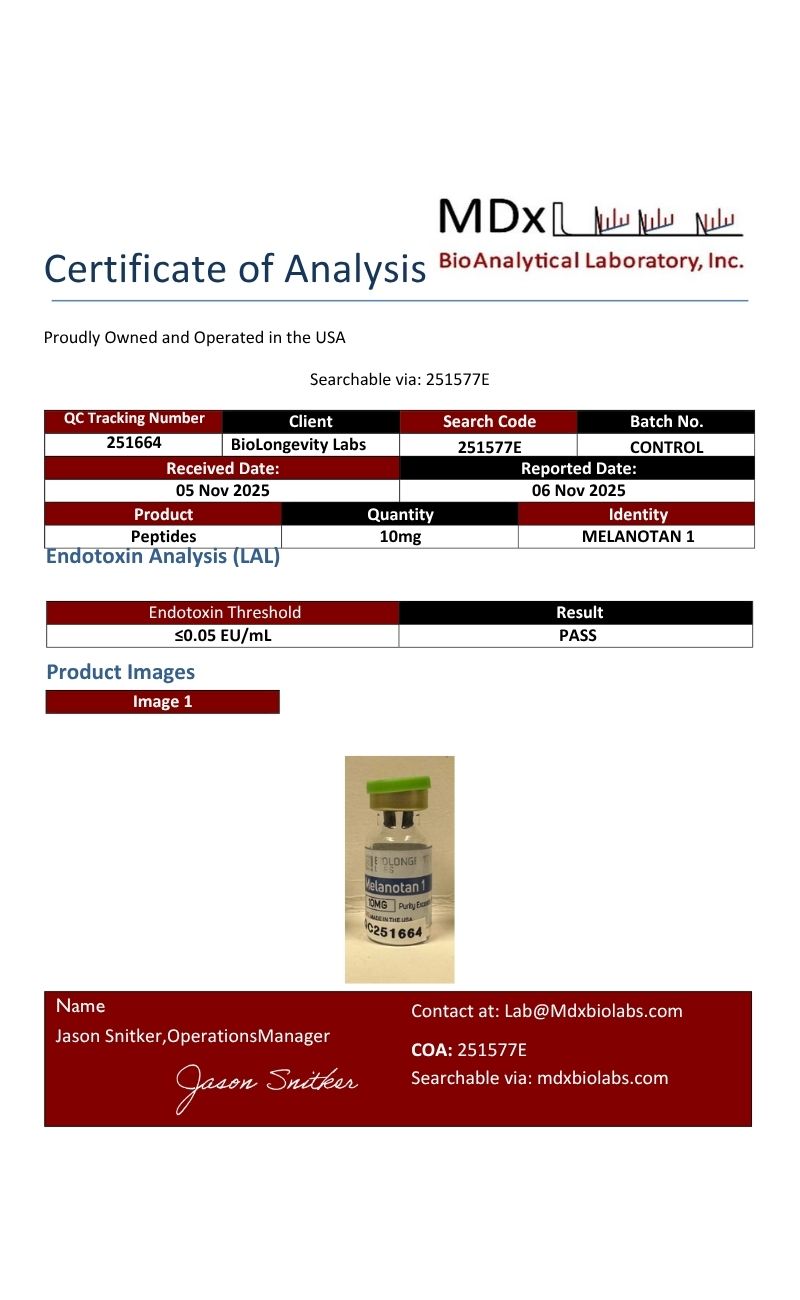
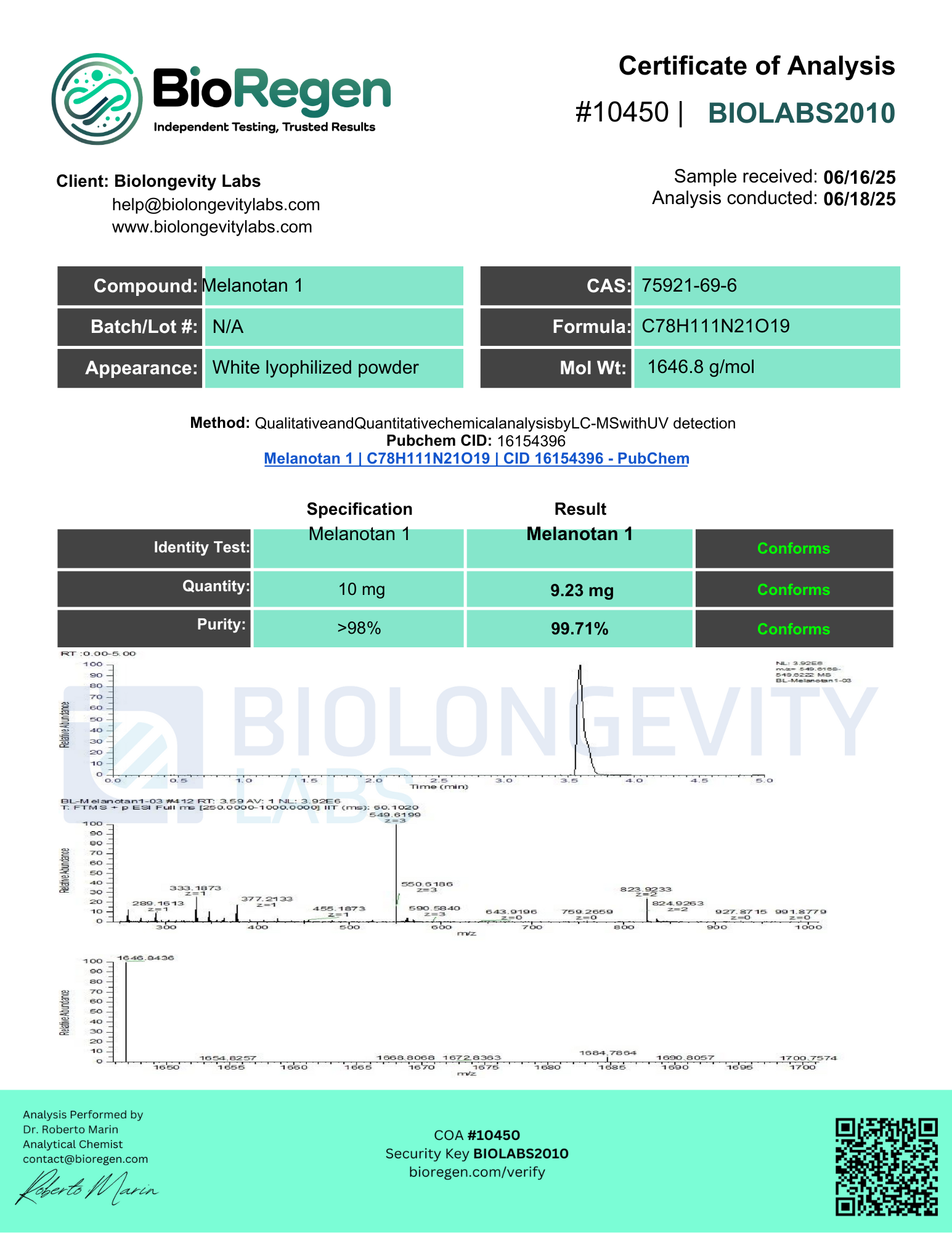
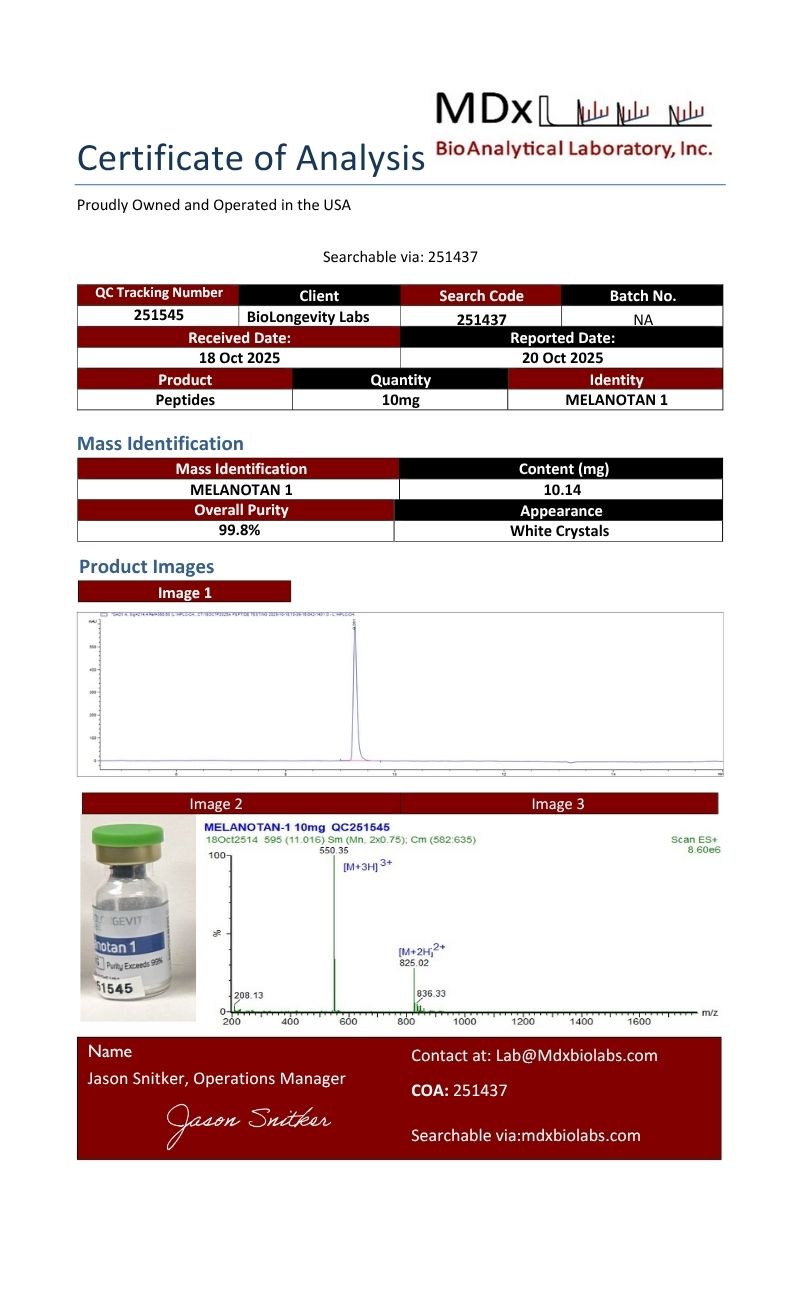
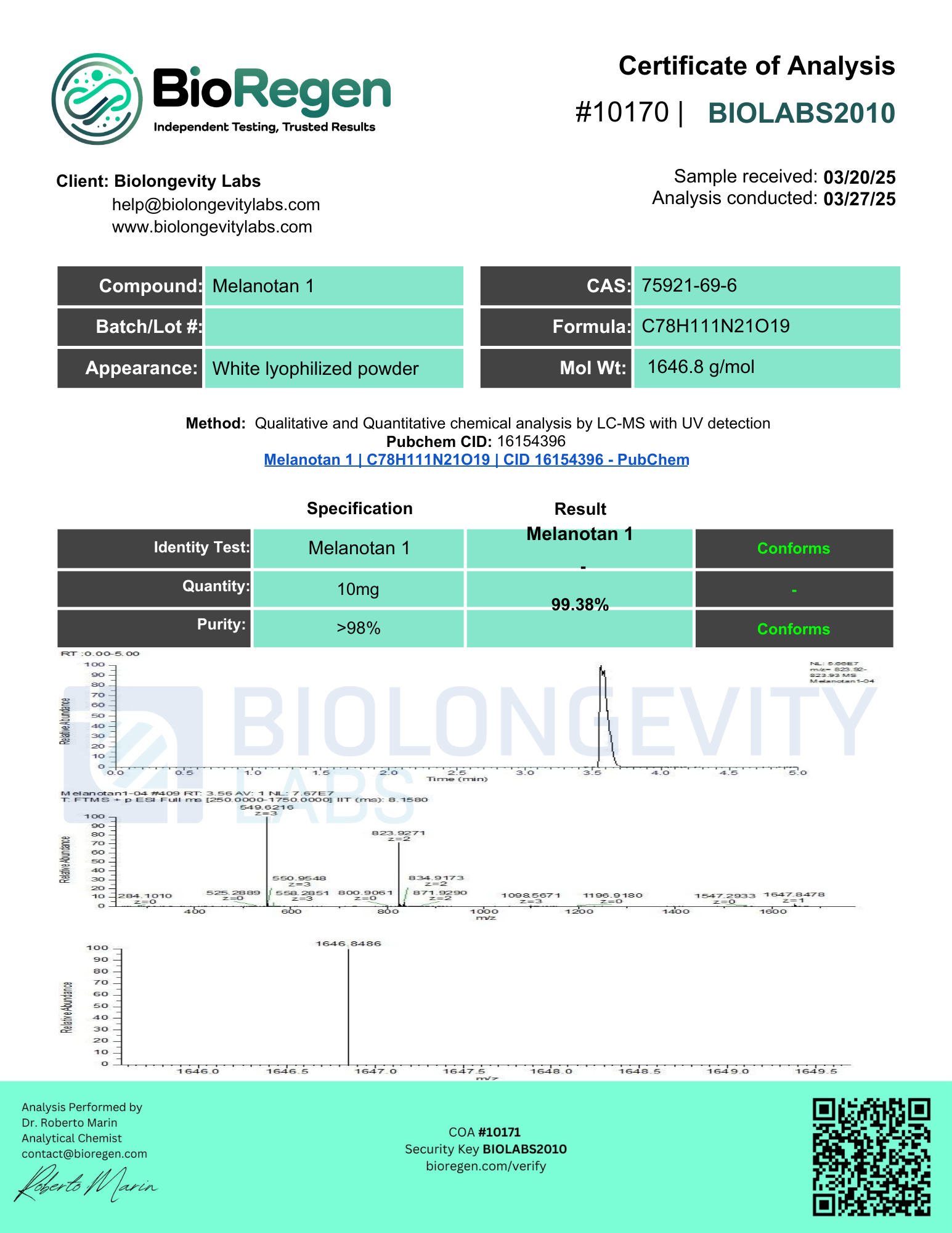
Certificate of Analysis (COA) for Every Batch
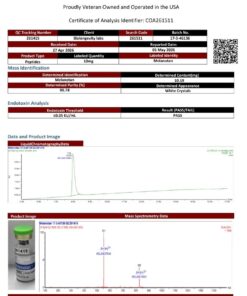
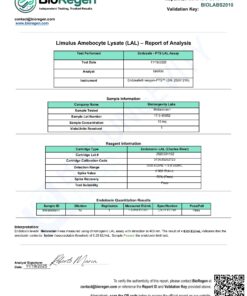
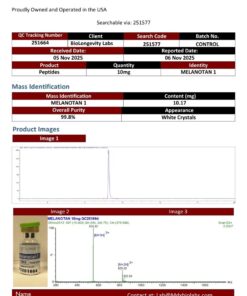
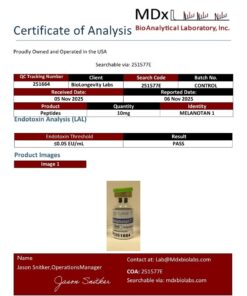
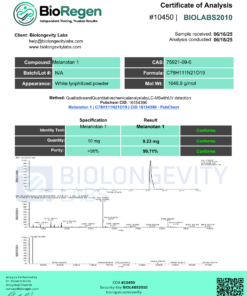
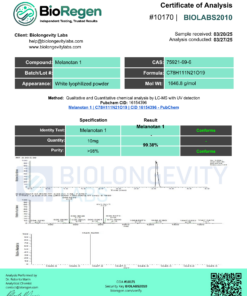
A Certificate of Analysis (COA) is a document that verifies a compound’s identity, purity, and batch quality through independent laboratory testing. Every compound from BioLongevity Labs ships with a COA tied to its specific batch, so researchers can confirm exactly what they received before it enters a protocol.
Each COA reports results from third-party laboratory analysis, including:
- High-performance liquid chromatography (HPLC) for purity, typically confirmed at 99% or higher
- Liquid chromatography mass spectrometry (LC-MS) for molecular identity and mass confirmation
- Sterility and endotoxin screening where applicable
- Chemical contaminant and residual solvent checks
COAs are sourced from independent certified labs rather than in-house testing alone, giving researchers a verifiable record of molecular integrity for each batch. All compounds are supplied for research use only.
Be the first to review “Melanotan 1 (10mg)”
Related products

Research Peptides Vials
Research Peptides Vials
Research Peptides Vials
Research Peptides Vials
Research Peptides Vials
Research Peptides Vials
Research Peptides Vials
Research Peptides Vials
Reviews
There are no reviews yet.