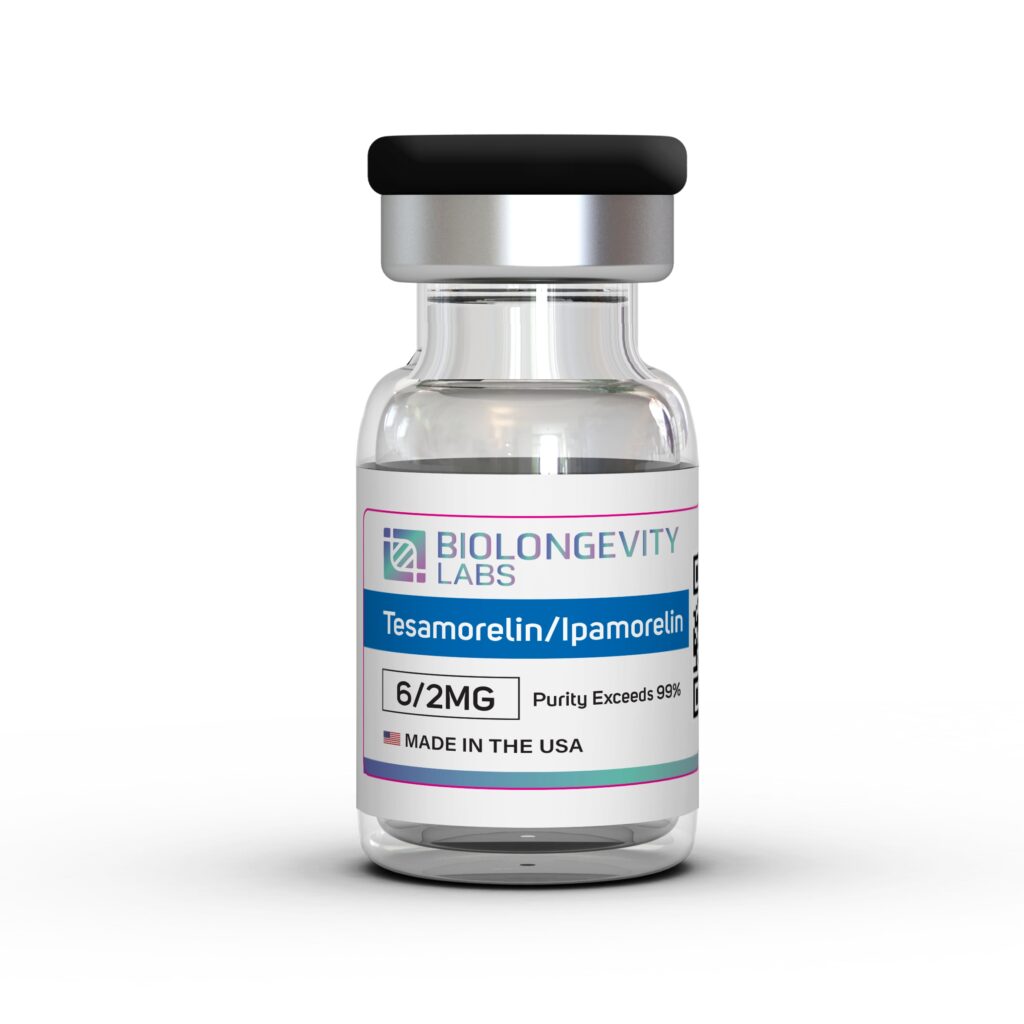
Tesamorelin and Ipamorelin (Blend) (8mg) For Sale
This Tesamorelin/Ipamorelin blend combines Tesamorelin, a growth hormone-releasing hormone (GHRH) analogue, with Ipamorelin, a selective growth hormone secretagogue, to facilitate controlled studies of growth hormone pathways. The complementary mechanisms of these peptides may work together to potentially enhance body composition, support tissue repair, and improve metabolic parameters.
Tesamorelin and Ipamorelin Blend Product Description
The Tesamorelin/Ipamorelin blend combines a synthetic GHRH analogue with a selective growth hormone secretagogue, designed for laboratory research investigating growth hormone regulation pathways. This research compound enables the study of dual-mechanism growth hormone modulation, examining how Tesamorelin’s GHRH-mimicking properties interact with Ipamorelin’s selective ghrelin-like functions in experimental models.
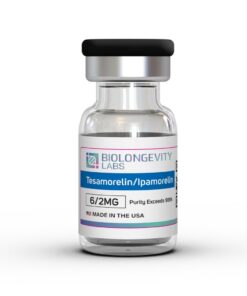
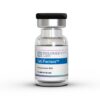
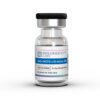
This is a (8mg) blend each of Tesmorelin (6mg) and Ipamorelin (2mg).
Tesamorelin and Ipamorelin Peptide Structure
Tesamorelin
Sequence: YADAIFTNSYRKVLGQLSARKLLQDIMSRQQGESNQERGARARL
Molecular Formula: C223H370N72O69S
Molecular Weight: 5196 g/mol
PubChem CID: 44147413
CAS Number: 901758-09-6
Synonyms:
- Tesamorelin acetate
- 901758-09-6
- TH9507
- UNII-LGW5H38VE3
- Tesamorelin acetate [USAN]
Ipamorelin
Sequence: Aib-His-D-2Nal-D-Phe-Lys
Molecular Formula: C38H49N9O5
Molecular Weight: 711.9 g/mol
PubChem CID: 9831659
CAS Number: 170851-70-4
Synonyms:
- 170851-70-4
- Ipamorelin [INN]
- NNC-26-0161
- UNII-Y9M3S784Z6
Lyophilized Peptides:
These peptides are freeze-dried, a process that not only extends shelf life but also preserves the purity and integrity of the peptides during storage. We do not use any fillers in this process.
Tesamorelin and Ipamorelin Research
Laboratory research on Tesamorelin and Ipamorelin reveals complementary mechanisms affecting growth hormone pathways. While each peptide stimulates GH release through different receptor interactions, their combined effects may extend beyond simple hormone elevation.
Current research demonstrates their individual influences on visceral fat reduction, muscle preservation, gastrointestinal function, and bone metabolism.
Effects on Growth Hormone Release
Tesamorelin is a GHRH analog that has been shown to augment basal and pulsatile GH secretion. It significantly increases IGF-1 levels. A study involving healthy subjects showed that tesamorelin treatment increased mean overnight GH, average log(10) GH peak area, and basal GH secretion1.
Ipamorelin is a pentapeptide with distinct GH-releasing properties. It mimics ghrelin and binds to the ghrelin receptor (GHSR) in the brain, selectively stimulating GH release from the pituitary gland, which increases plasma GH levels. Ipamorelin’s GH release selectivity is similar to that of GHRH2.
Lipolysis
Tesamorelin has demonstrated efficacy in reducing visceral adipose tissue (VAT) in HIV patients with lipodystrophy3. Studies have shown significant declines in VAT, hepatic fat, and trunk-to-appendicular fat ratio with tesamorelin treatment. It also reduces liver fat and improves liver enzymes4.
Ipamorelin stimulates appetite and enhances gastric motility. Research indicates it accelerates gastrointestinal transit and may ameliorate symptoms of postoperative ileus. In a rodent model, repetitive dosing of ipamorelin increased fecal pellet output, food intake, and body weight gain5.
Muscle Growth
Tesamorelin can increase skeletal muscle area and density. Among individuals with a clinically significant decrease in visceral adipose tissue, tesamorelin was effective in increasing the density of truncal muscle groups and the total area of the rectus and psoas muscles6.
In an adult rat model, ipamorelin counteracted the catabolic effects of glucocorticoids on skeletal muscles. Simultaneous administration of ipamorelin with glucocorticoids increased the maximum tetanic tension of calf muscles7.
Bone Density
Ipamorelin has been shown to increase bone mineral content (BMC) in young adult female rats. However, when corrected for body weight, total BMC was unaffected. The increase in cortical BMC was attributed to increased cross-sectional bone area, while cortical volumetric BMD remained unchanged8.
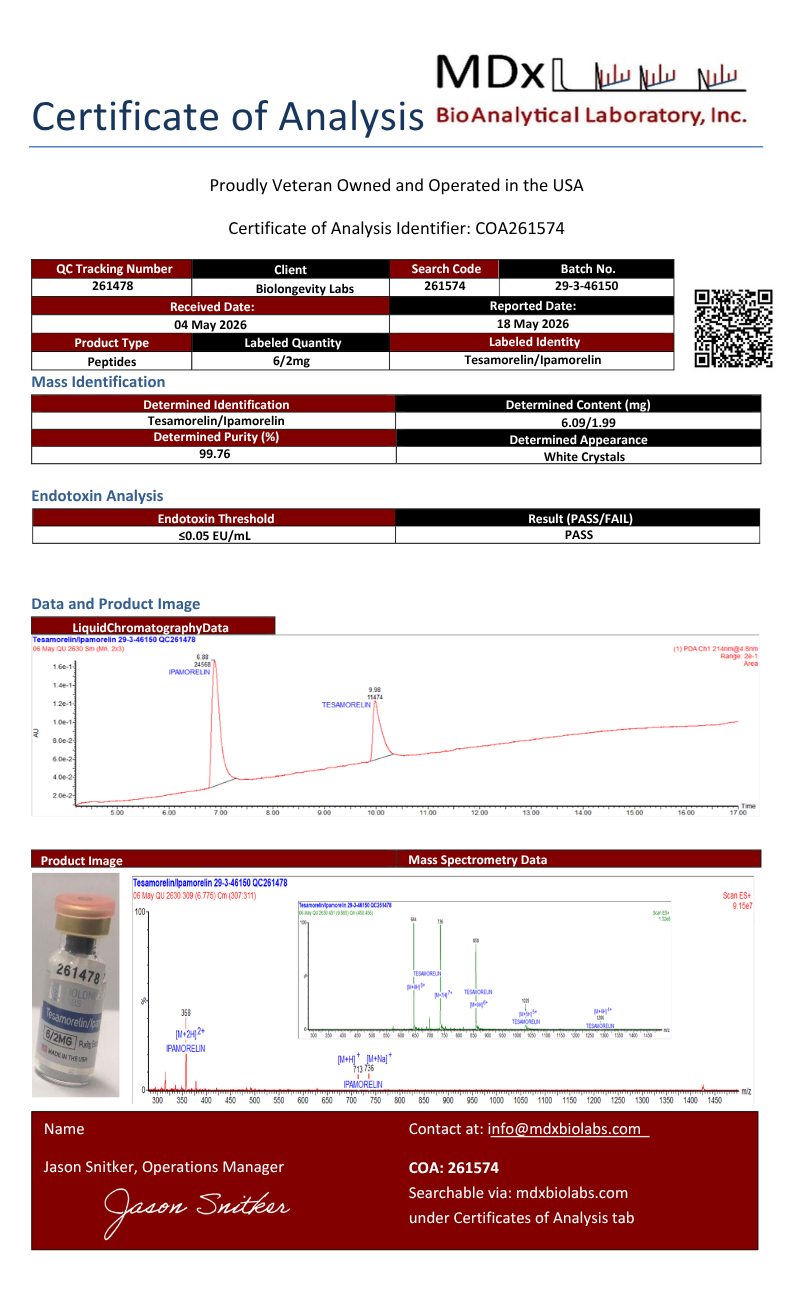
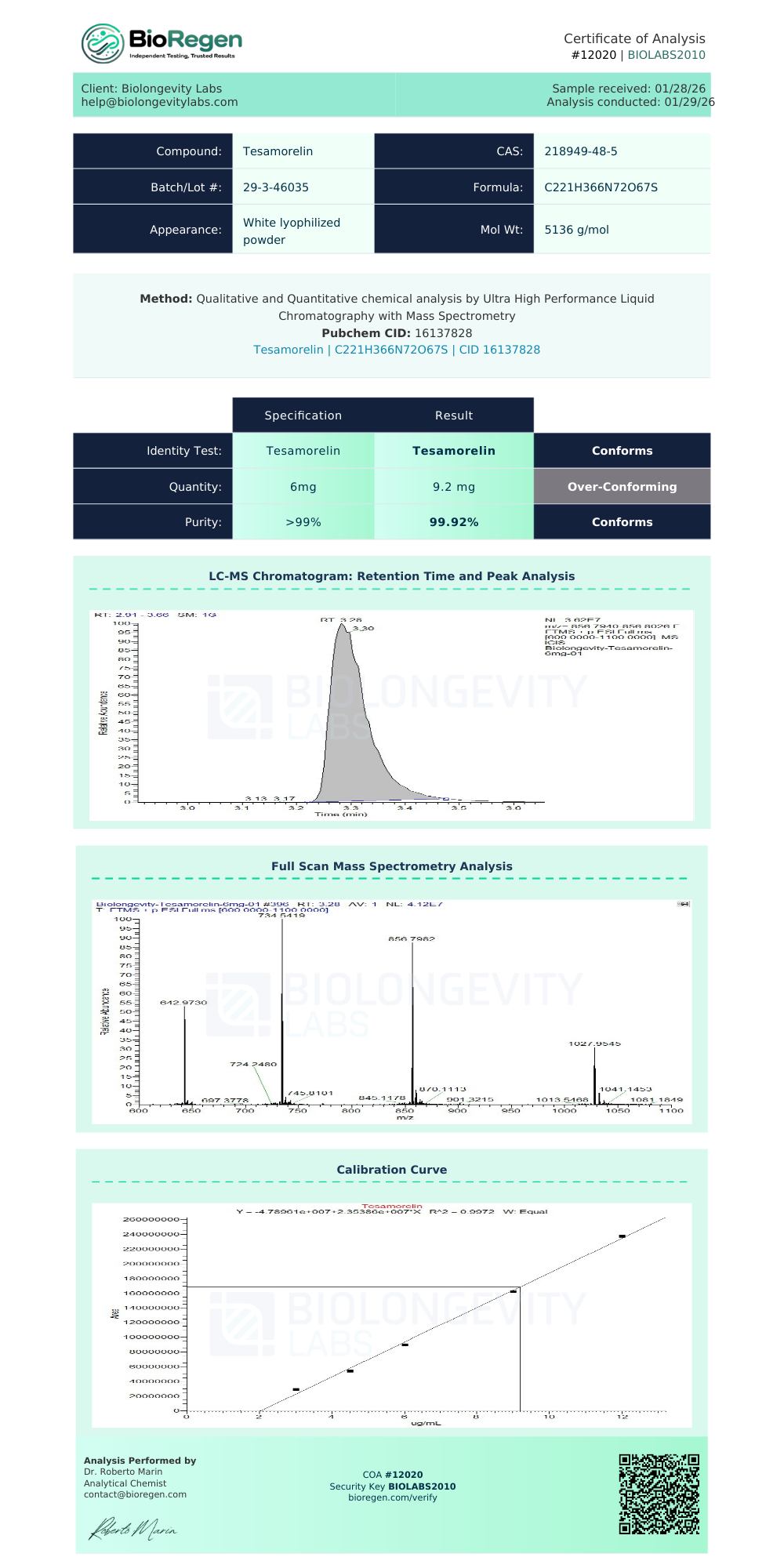
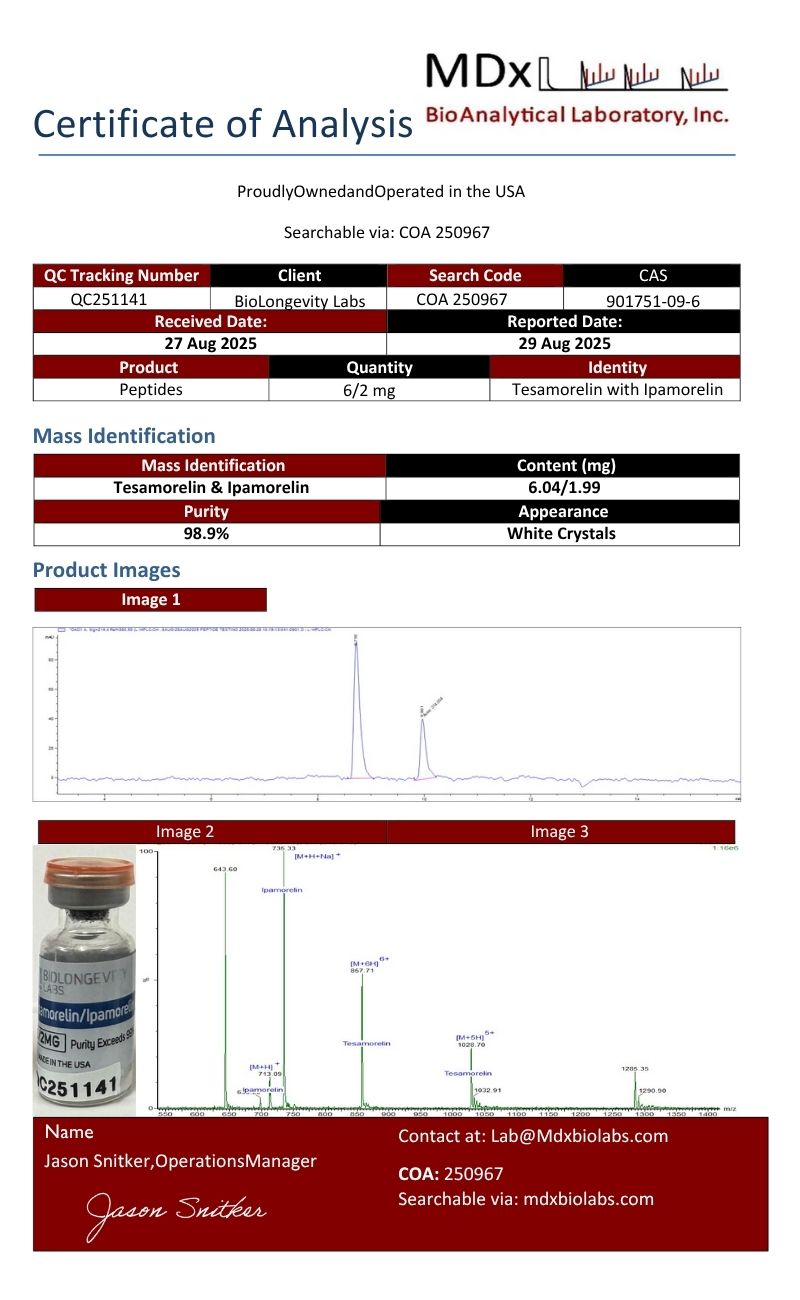
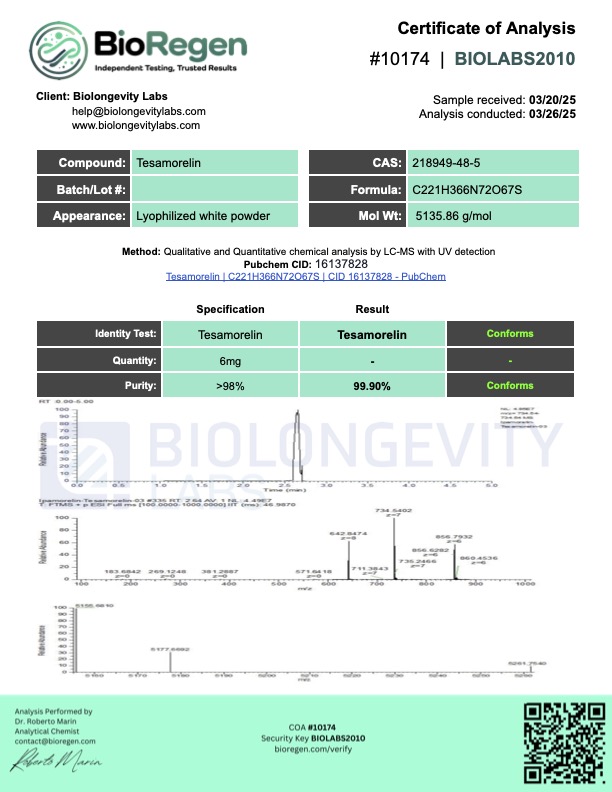
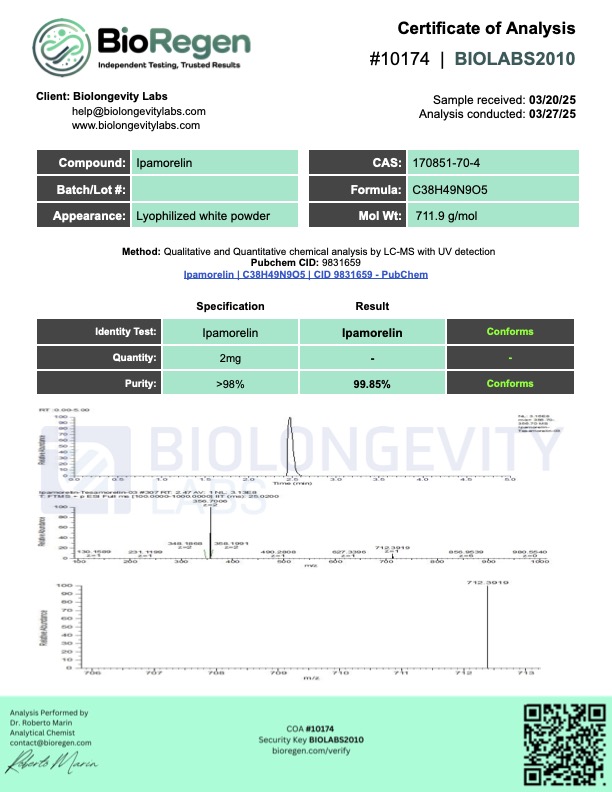
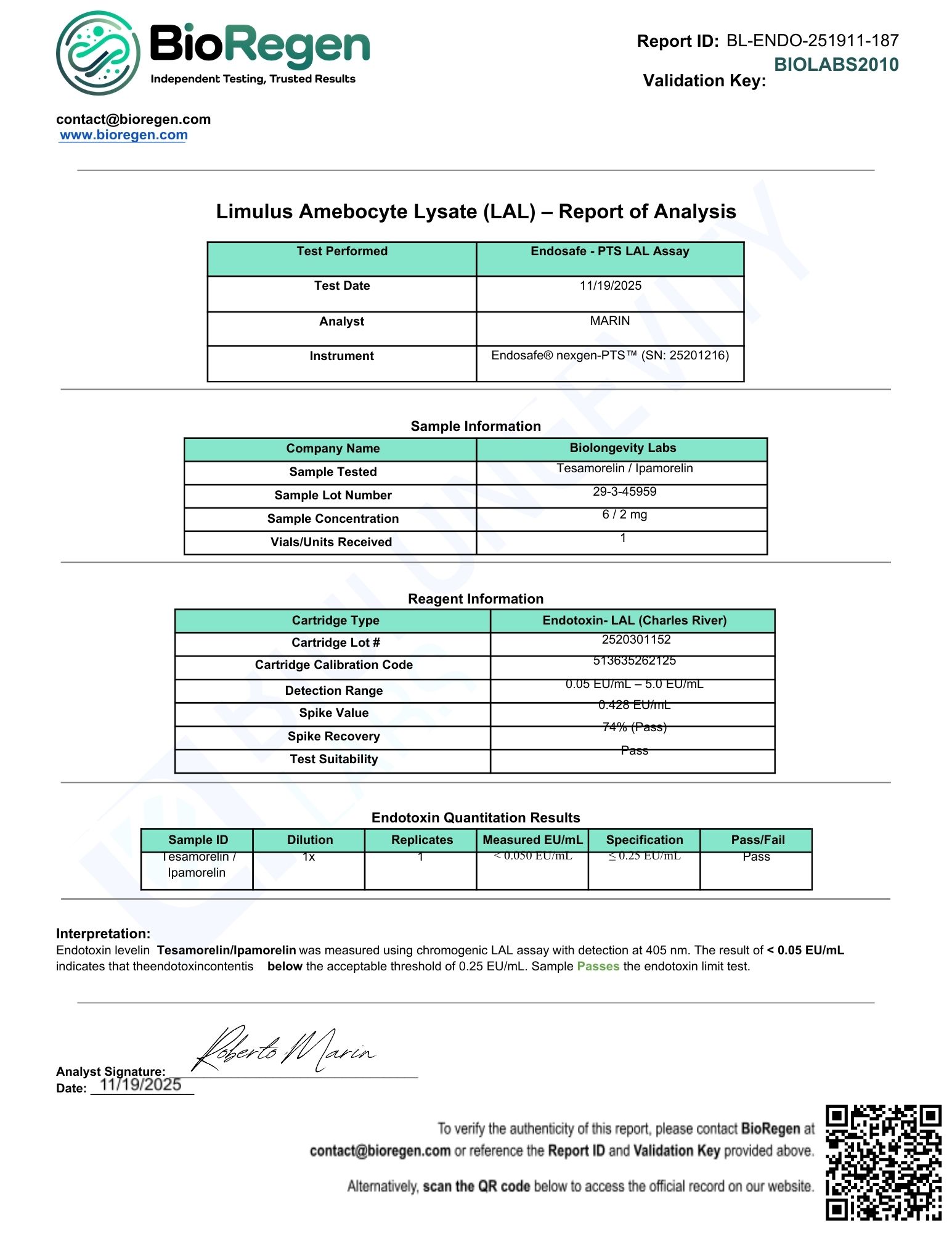
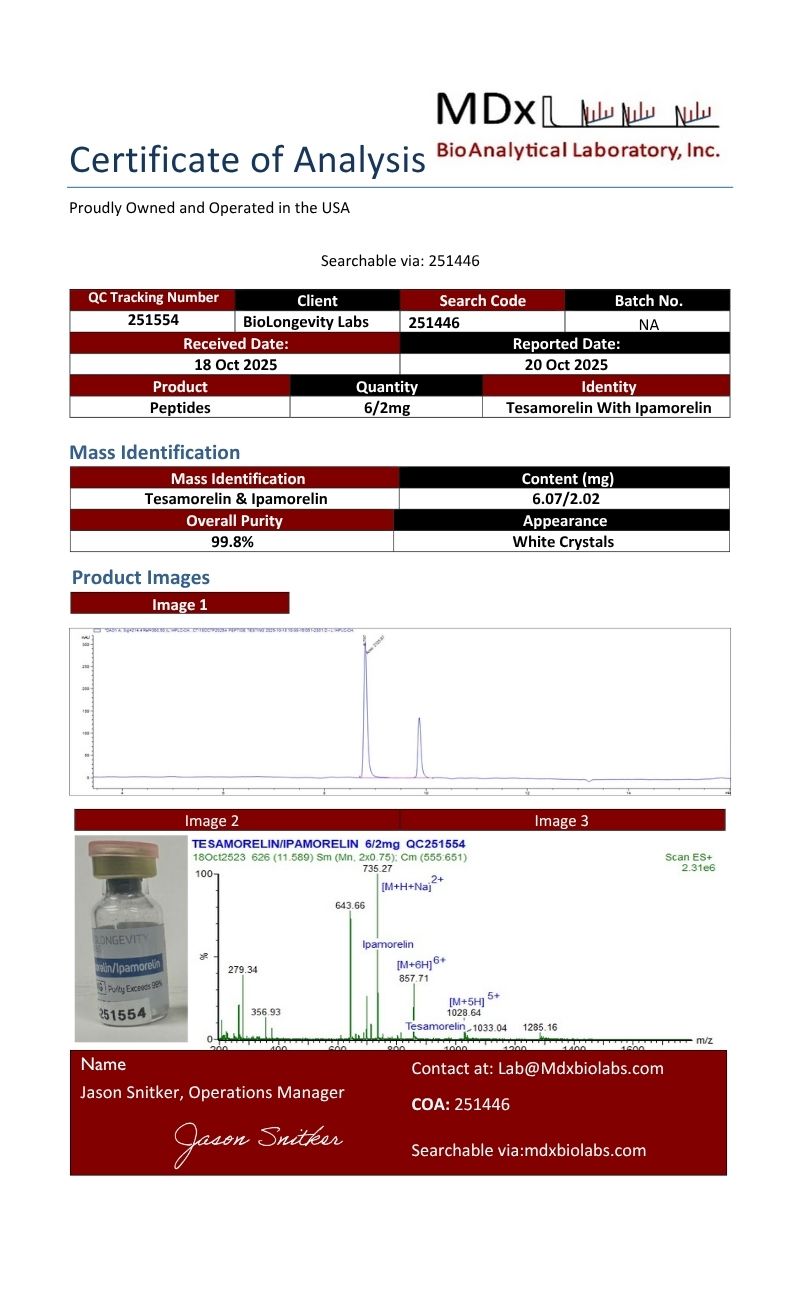
Certificate of Analysis (COA) for Every Batch
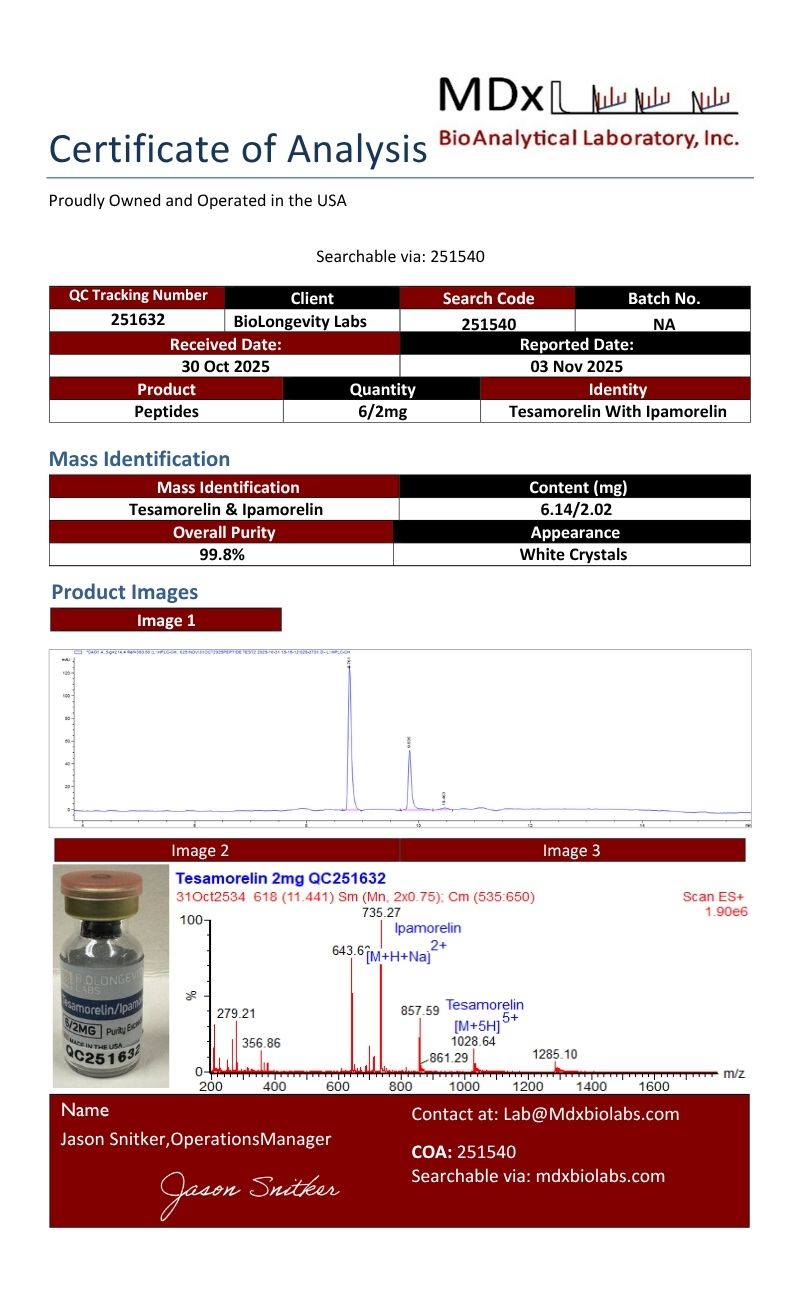
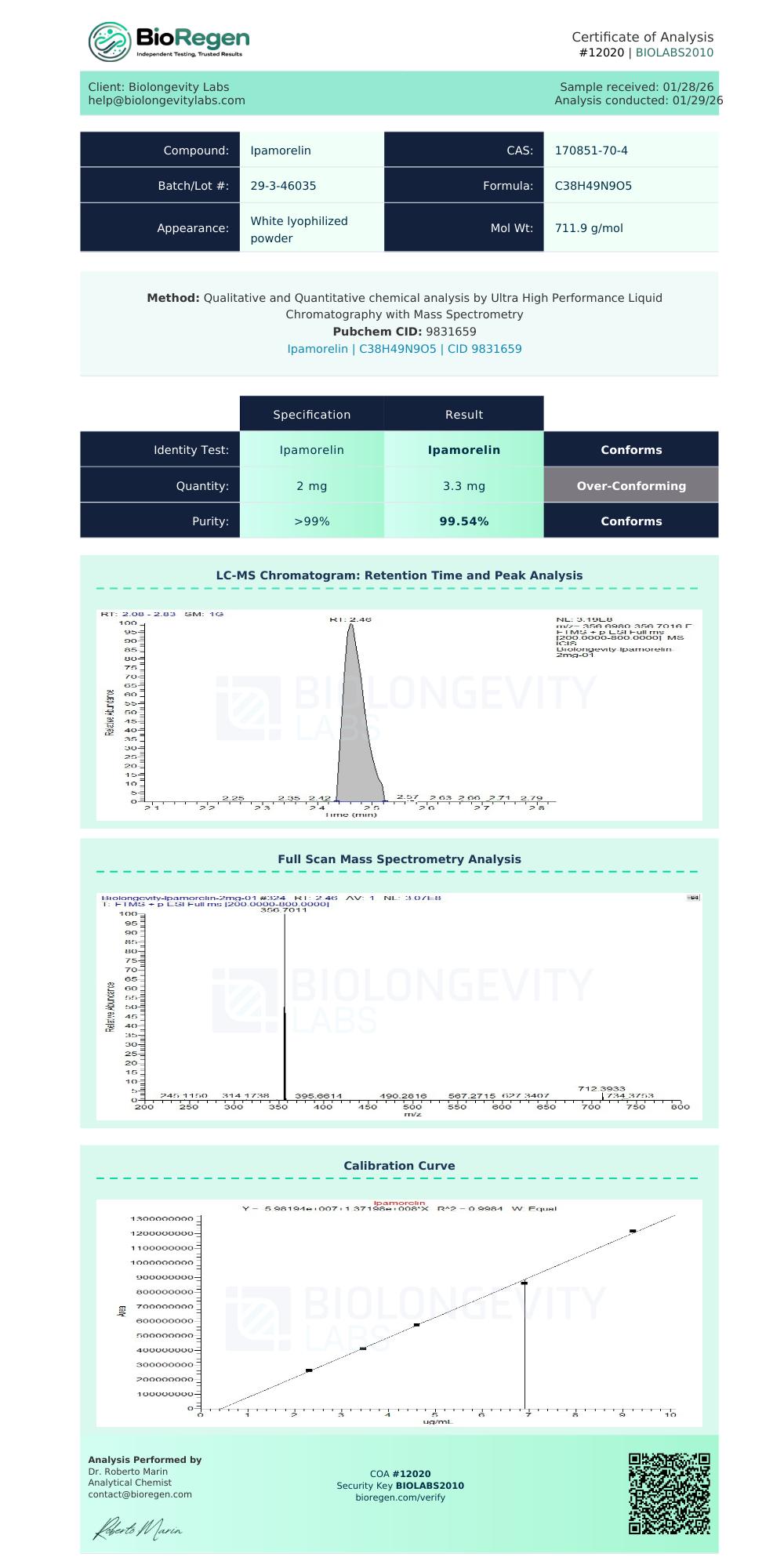
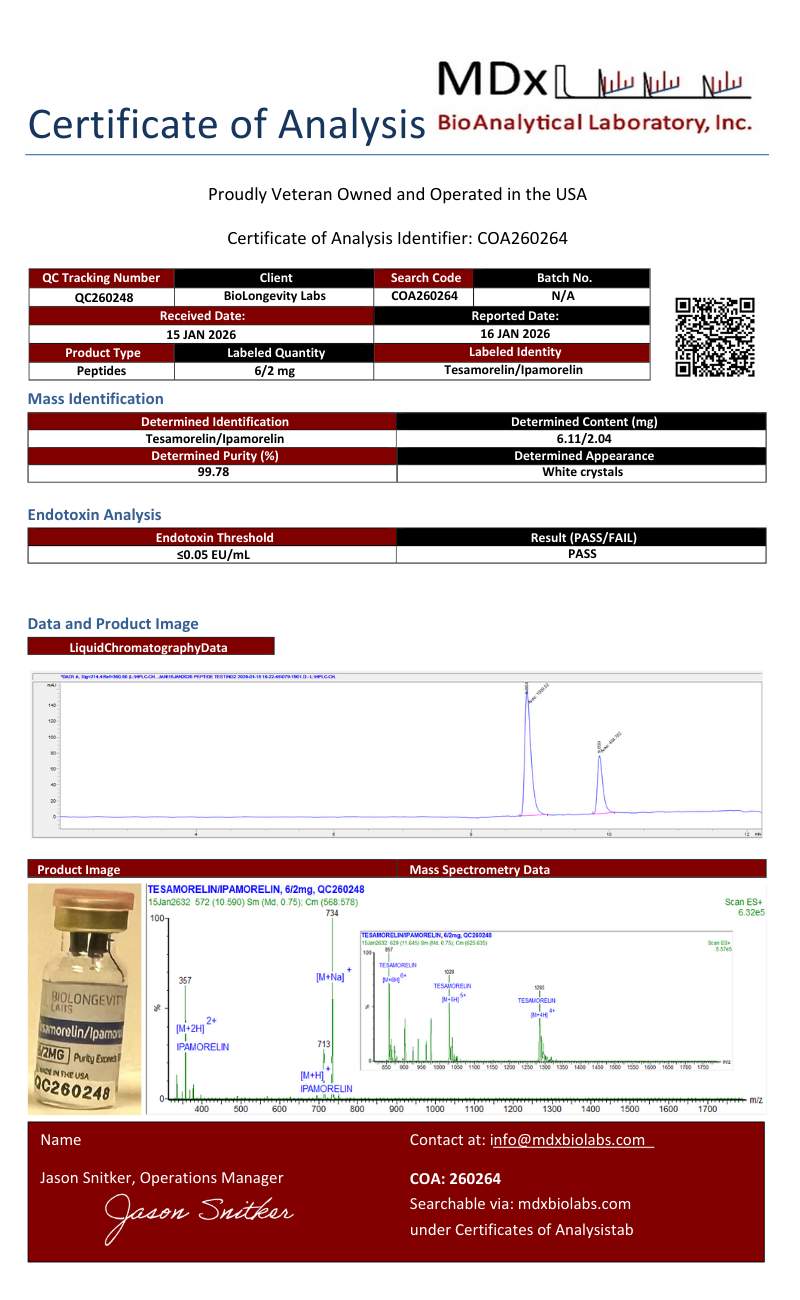
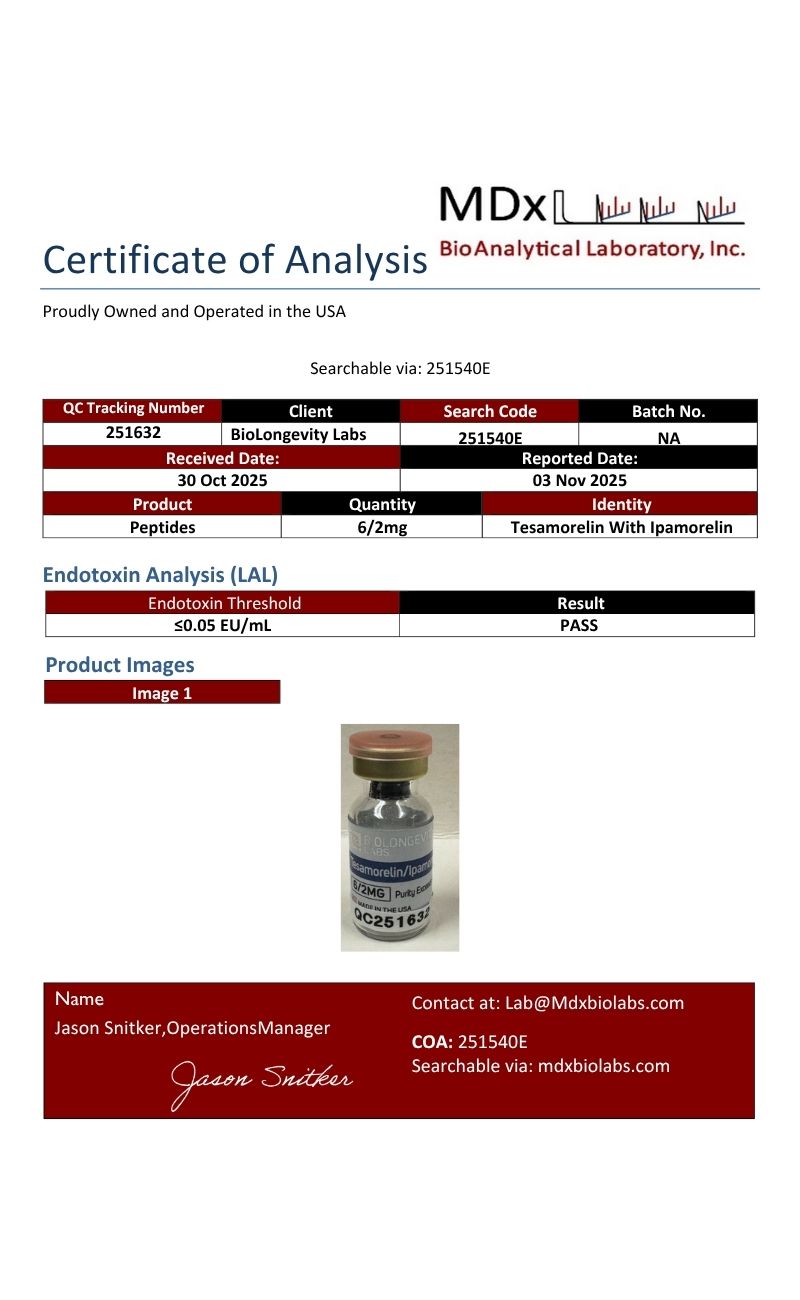
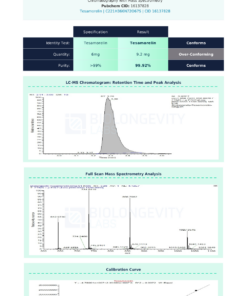
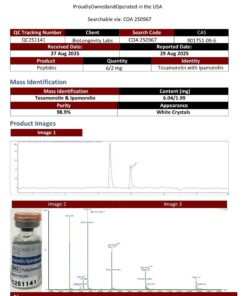
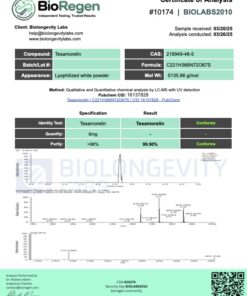
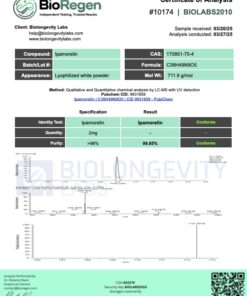
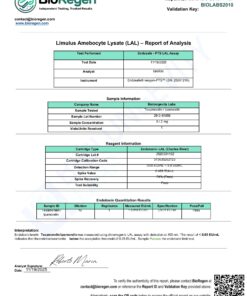
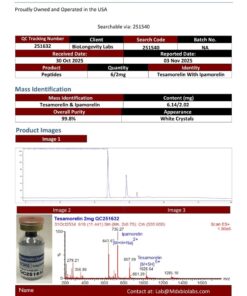
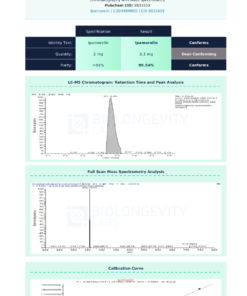
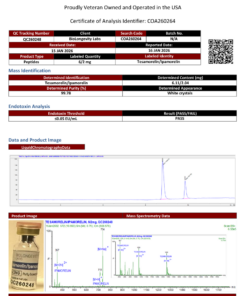
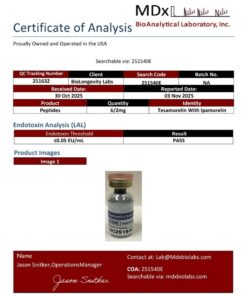
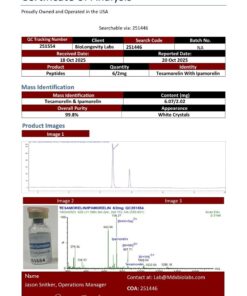
A Certificate of Analysis (COA) is a document that verifies a compound’s identity, purity, and batch quality through independent laboratory testing. Every compound from BioLongevity Labs ships with a COA tied to its specific batch, so researchers can confirm exactly what they received before it enters a protocol.
Each COA reports results from third-party laboratory analysis, including:
- High-performance liquid chromatography (HPLC) for purity, typically confirmed at 99% or higher
- Liquid chromatography mass spectrometry (LC-MS) for molecular identity and mass confirmation
- Sterility and endotoxin screening where applicable
- Chemical contaminant and residual solvent checks
COAs are sourced from independent certified labs rather than in-house testing alone, giving researchers a verifiable record of molecular integrity for each batch. All compounds are supplied for research use only.


Reviews
There are no reviews yet.