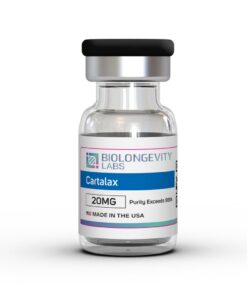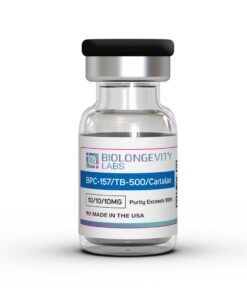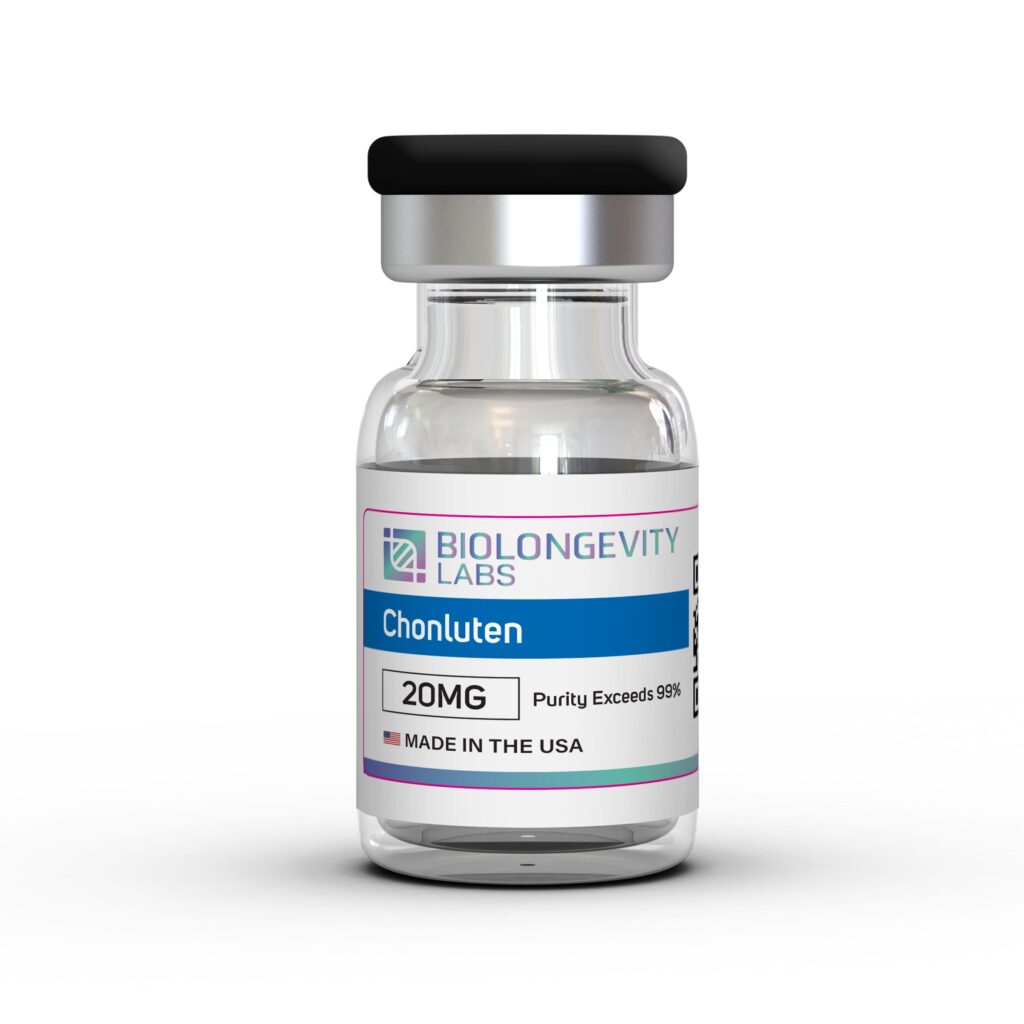
Chonluten (20mg) For Sale
Chonluten, or tripeptide T-34, has been identified as a significant regulator in the expression of genes associated with antioxidant and anti-inflammatory proteins. This peptide plays a crucial role in the modulation of molecular and morphological changes.
Chonluten Peptide Bioregulator Description
Chonluten is a short peptide bioregulator that has been studied for its effects on the lungs and bronchial mucosa at the cellular level. It works by regulating gene expression, particularly in pathways related to inflammation, antioxidant activity, and cellular repair. This peptide complex is most active in lung tissue, where it potentially promotes tissue regeneration, reduces inflammation, and restores the normal function of bronchial mucosa.
Peptide Information
| Property | Value |
|---|---|
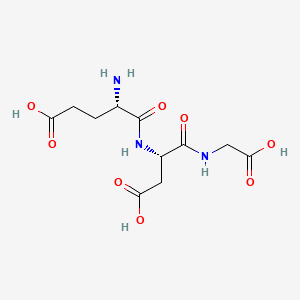
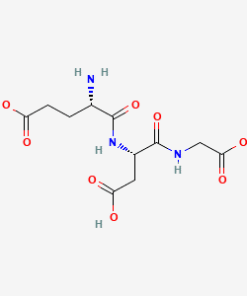
| Peptide Sequence | Glu-Asp-Gly |
| Molecular Formula | C11H17N3O8 |
| Molecular Weight | 319.27 g/mol |
| CAS Number | 75007-24-8 |
| PubChem CID | 194641 |
| Synonyms | Glutamyl-aspartyl-glycine, Glu-asp-gly, H-Glu-asp-gly-OH, 75007-24-8, T-34 tripeptide |
Chonluten Research
Chonluten and Gastic Ulcers
The development of gastric ulcers involves complex changes at both the molecular and cellular levels, which are influenced by the synthesis of proteins that combat oxidative stress and inflammation. Peptide T-34 (Chonluten) contributes to the normalization of these processes by regulating the expression of genes responsible for the production of these protective proteins.1
Chonluten and Lung Health
Chonluten’s mechanisms include regulating proteins like c-Fos and heat shock protein HSP70, which are involved in cell proliferation, differentiation, and survival. It may also influence the activity of key inflammatory markers such as TNF-alpha and IL-6, reducing inflammation in chronic conditions like asthma or COPD. Chonluten may support the repair of damaged lung tissues by enhancing fibroblast activity and epithelial cell growth. Its ability to normalize mucus production and extracellular matrix structure may further contribute to respiratory health.1
Certificate of Analysis (COA) for Every Batch
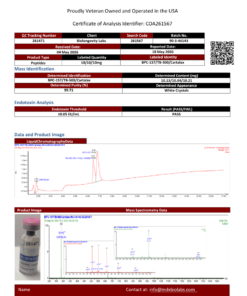
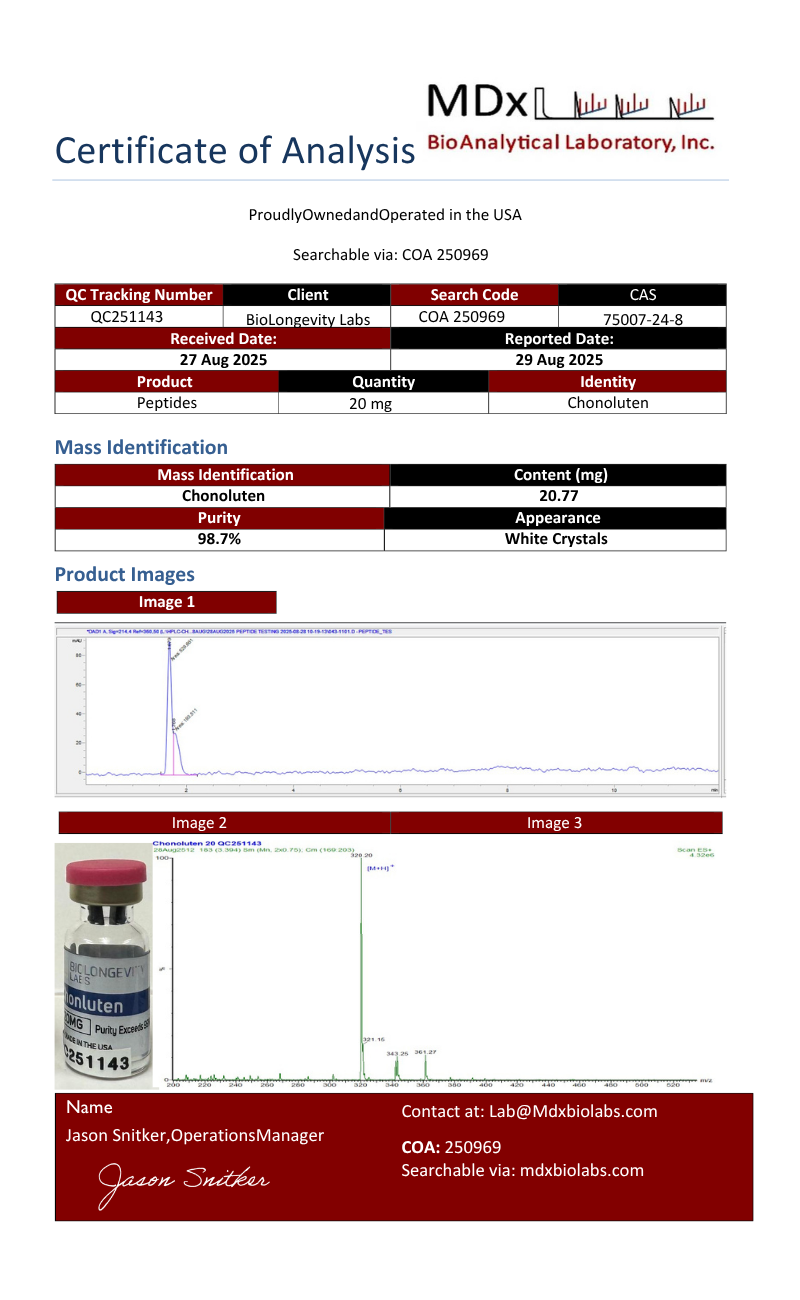
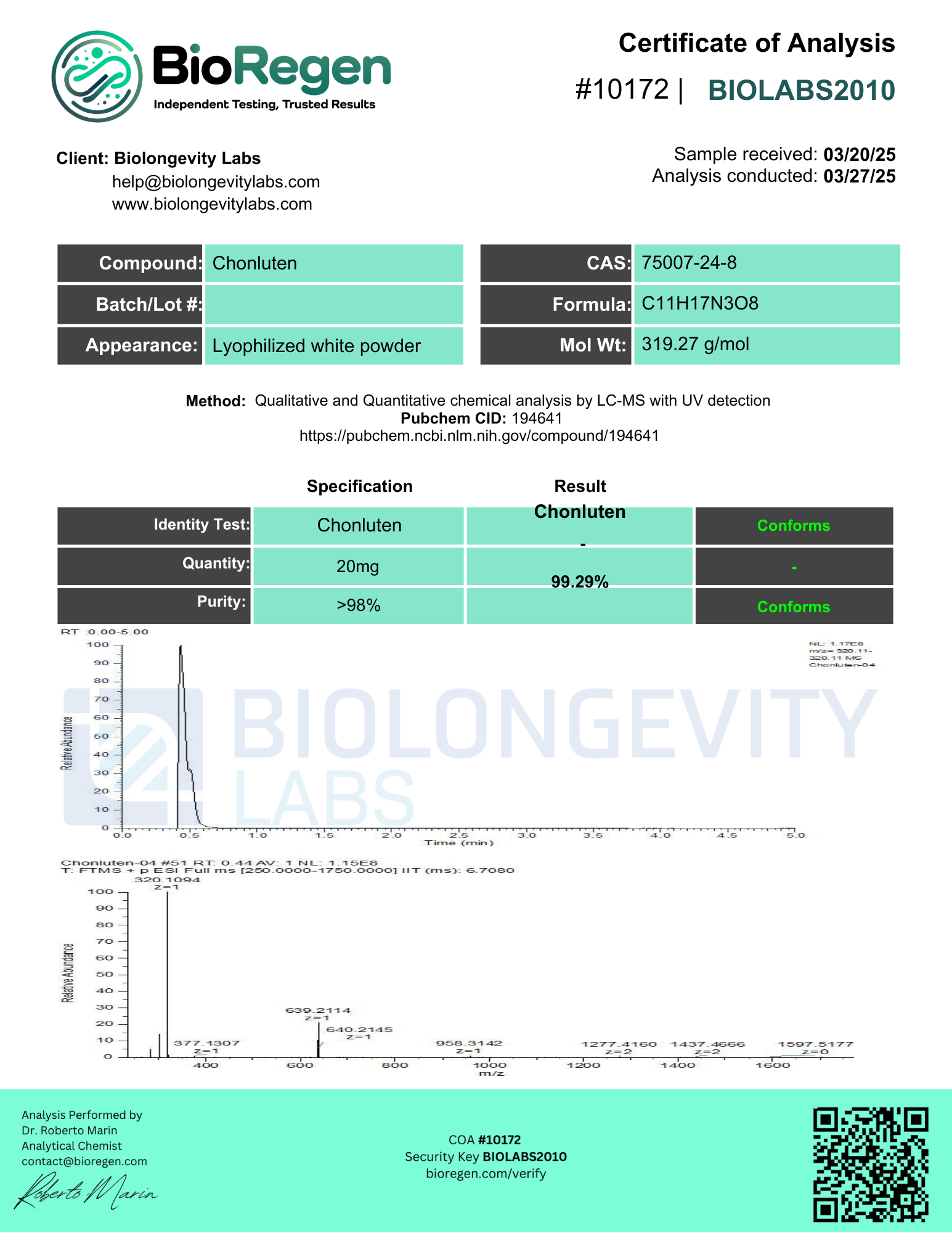
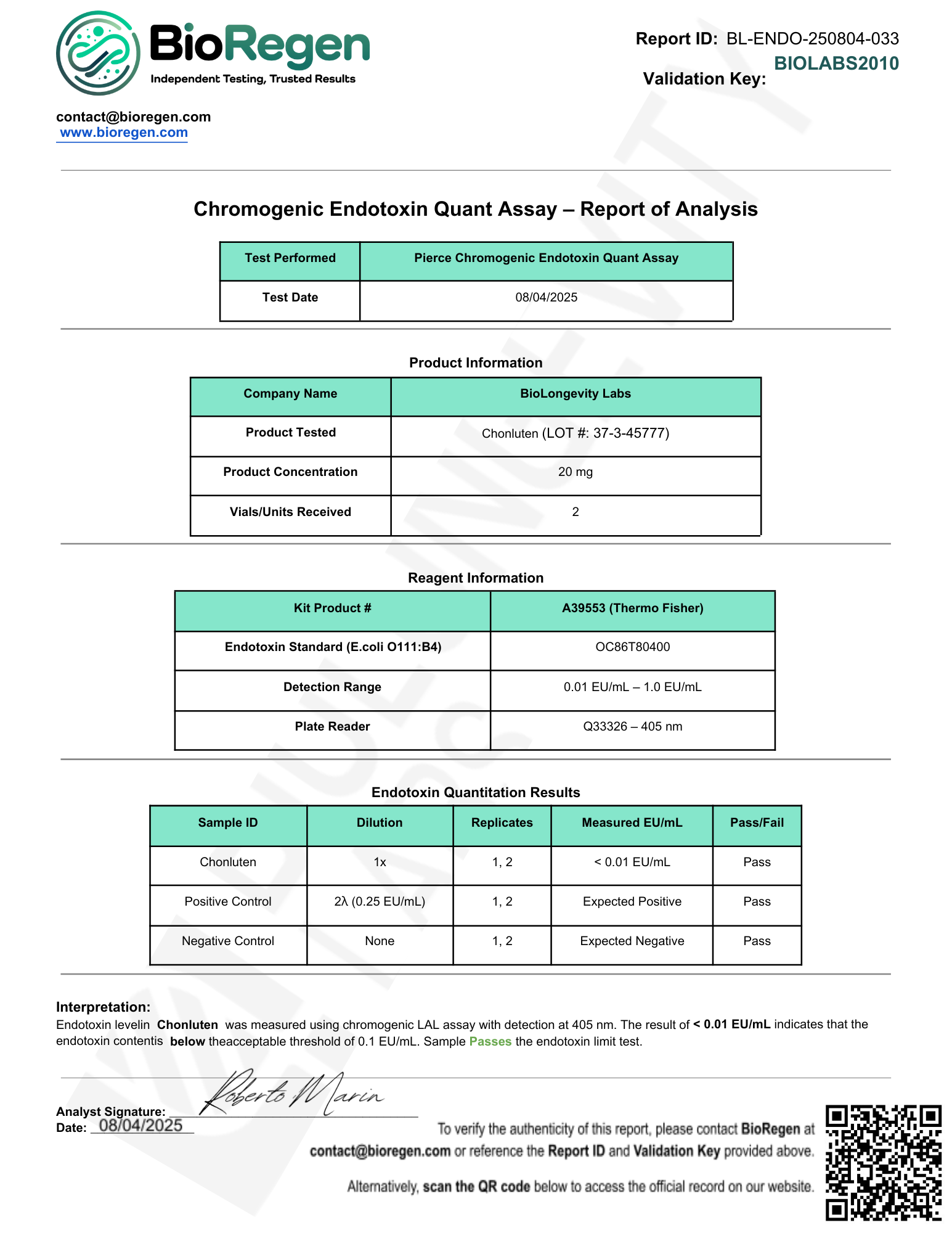
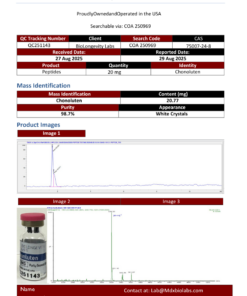
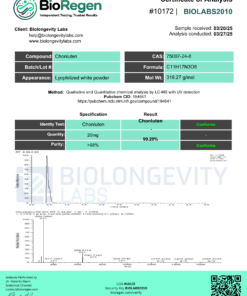
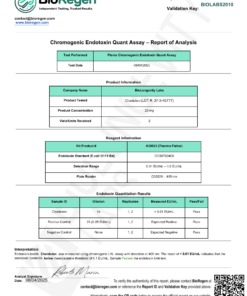
A Certificate of Analysis (COA) is a document that verifies a compound’s identity, purity, and batch quality through independent laboratory testing. Every compound from BioLongevity Labs ships with a COA tied to its specific batch, so researchers can confirm exactly what they received before it enters a protocol.
Each COA reports results from third-party laboratory analysis, including:
- High-performance liquid chromatography (HPLC) for purity, typically confirmed at 99% or higher
- Liquid chromatography mass spectrometry (LC-MS) for molecular identity and mass confirmation
- Sterility and endotoxin screening where applicable
- Chemical contaminant and residual solvent checks
COAs are sourced from independent certified labs rather than in-house testing alone, giving researchers a verifiable record of molecular integrity for each batch. All compounds are supplied for research use only.


Reviews
There are no reviews yet.