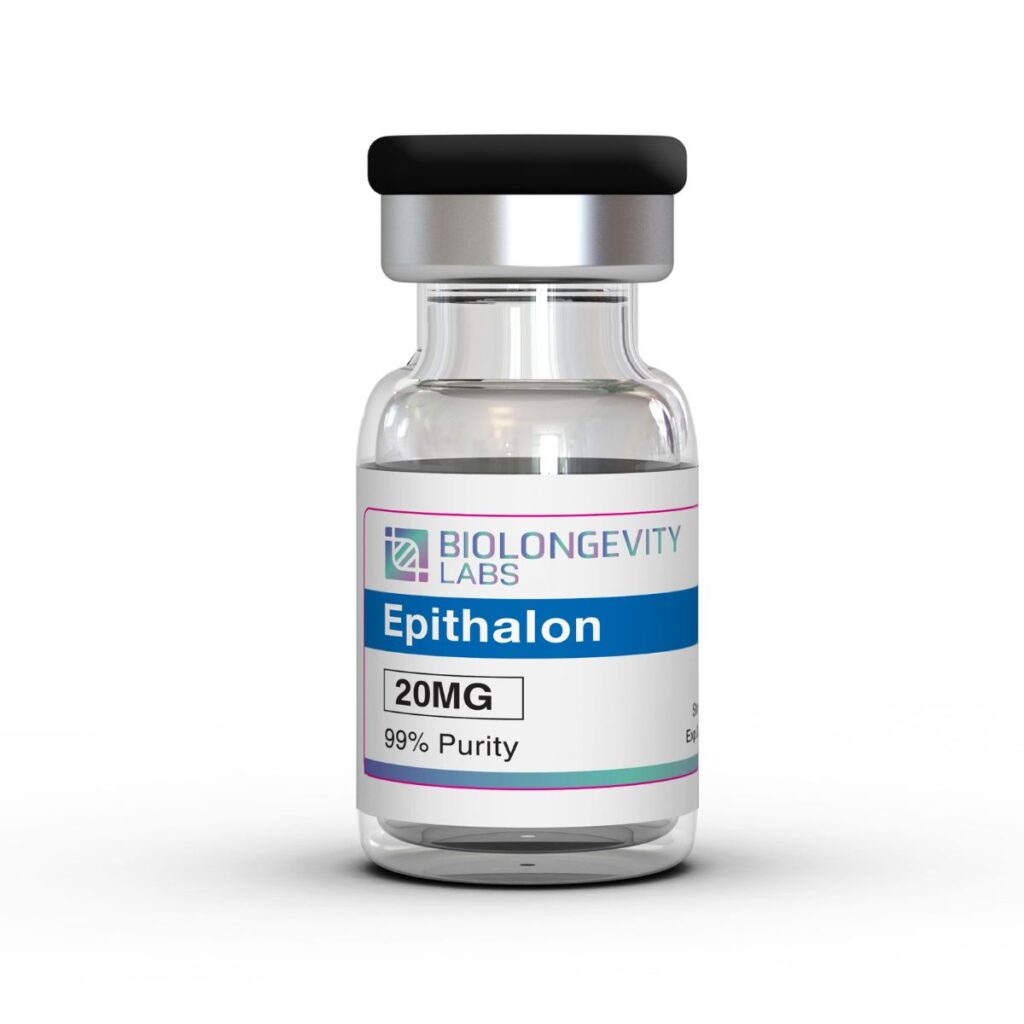
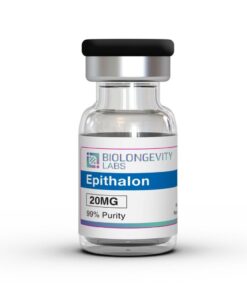
Epithalon (20mg) For Sale
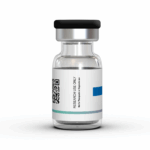
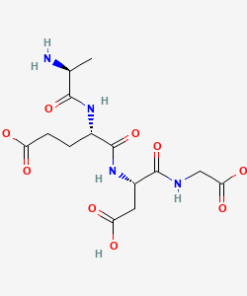
Epithalon, also known as Epitalon, is a synthetic tetrapeptide with the amino acid sequence Ala-Glu-Asp-Gly (AEDG). It is produced through controlled solid-phase peptide synthesis and supplied as a lyophilized powder for stability during storage and handling. The compound is characterized in laboratory research examining telomere biology, gene-expression regulation, and pineal-linked signaling pathways. Each batch is third-party tested and ships with a Certificate of Analysis for research use only.
Epithalon Product Description
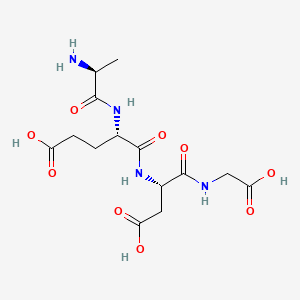
Epithalon is a short synthetic peptide built from four amino acids in the sequence Ala-Glu-Asp-Gly. Its structure was modeled on the amino acid composition of Epithalamin, a pineal gland extract studied in gerontology research.
As a defined tetrapeptide, Epithalon is well suited to analytical and mechanistic work. It is supplied as a filler-free lyophilized powder and reconstituted with a sterile solvent immediately before experimental use.
The compound sits within the pineal and AEDG peptide research area, alongside related bioregulator compounds studied for cellular signaling and regulatory function.
Compound Specifications
| Property | Value |
|---|---|
| CAS Number | 307297-39-8 |
| PubChem CID | 219042 |
| Molecular Formula | C₁₄H₂₂N₄O₉ |
| Molecular Weight | 390.35 g/mol |
| Amino Acid Sequence | Ala-Glu-Asp-Gly (AEDG) |
| Sequence Length | 4 residues (tetrapeptide) |
| IUPAC | L-alanyl-L-alpha-glutamyl-L-alpha-aspartyl-glycine |
| Synonyms | Epitalon, Epithalamin, AEDG peptide |
| Source | Synthetic |
| Purity | ≥99% (HPLC) |
| Appearance | Lyophilized white powder |
| Solubility | Soluble in water |
| Storage | -20°C, protect from light |
Research Applications
| Research Area | In Vitro Application |
|---|---|
| Telomere biology | Experimental systems measuring telomerase-associated activity and telomere-length metrics in cell-based models |
| Gene expression | Assays quantifying transcriptional changes in defined differentiation markers |
| Epigenetic regulation | Molecular-modeling and binding studies of peptide and histone interactions |
| Peptide characterization | Analytical evaluation of tetrapeptide identity, sequence, and stability |
Storage and Handling
- Store the lyophilized compound at -20°C, protected from light.
- After reconstitution, store at 2-8°C and use promptly.
- Maintain aseptic handling to preserve compound integrity.
What Research Shows
In telomere-biology research models, Epithalon has been associated with changes in telomerase-associated activity and telomere-length metrics. Cell-line studies have reported telomere-length extension linked to hTERT expression and telomerase upregulation [2]. Comparable telomere-length changes have been observed in lymphocyte models across adult study populations [4].
Epithalon has also been examined for transcriptional effects. In stem-cell models, the AEDG peptide was associated with changes in the expression of neuronal differentiation markers, and molecular-modeling work proposed a histone-interaction mechanism as one possible basis [3].
Within the broader short-peptide literature, AEDG has been studied as a regulator of cell differentiation [5]. A 2025 review consolidates the analytical, in vitro, and in silico characterization of the tetrapeptide reported to date [1].
Researchers studying pineal-linked signaling often examine Epithalon alongside related compounds.
Telomere-Associated Research
Telomere-focused work with Epithalon centers on enzymology and length measurement in cell-based systems. Reported endpoints include telomerase-associated activity, telomere-length metrics, and downstream genome-integrity markers, measured under defined laboratory conditions [2].
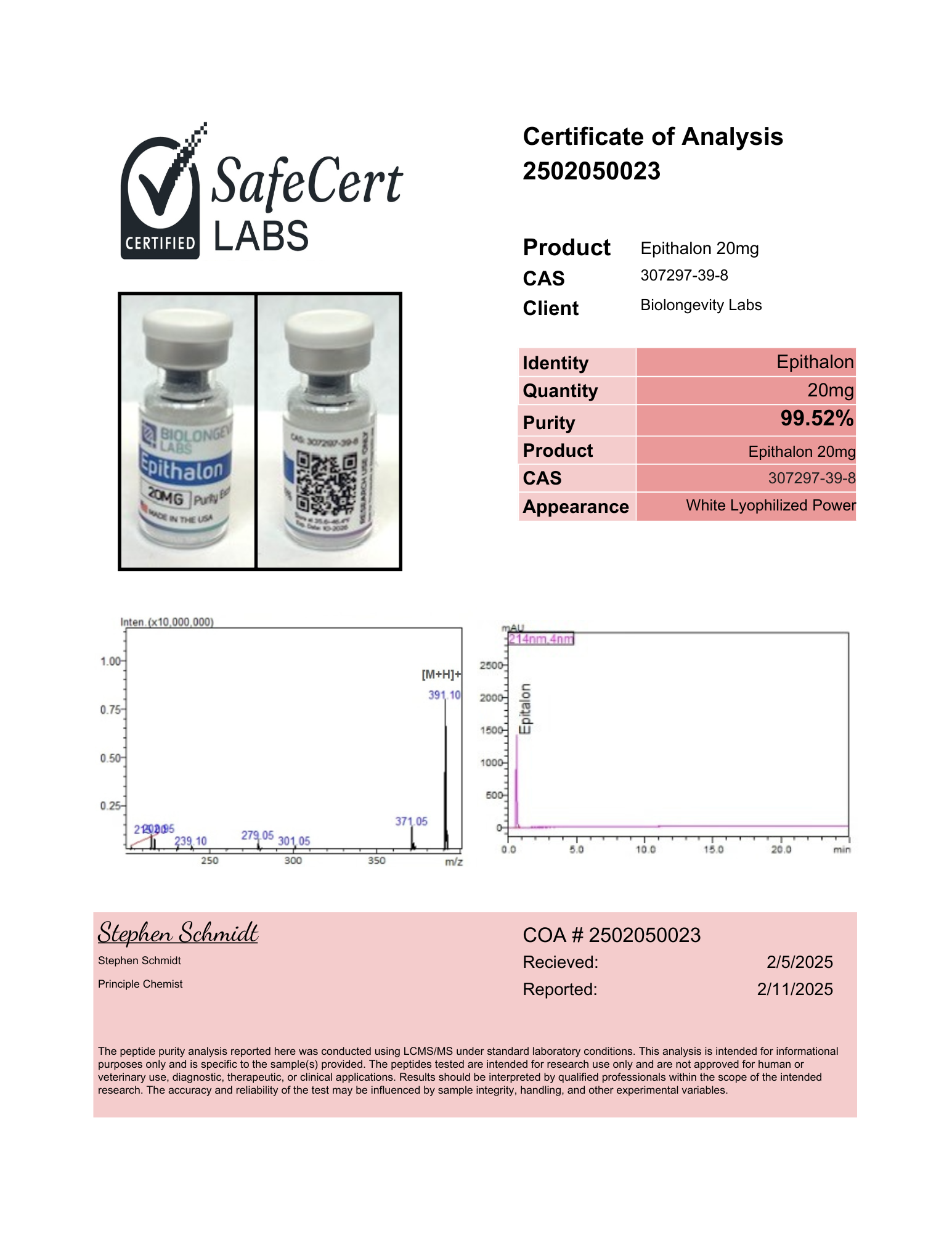
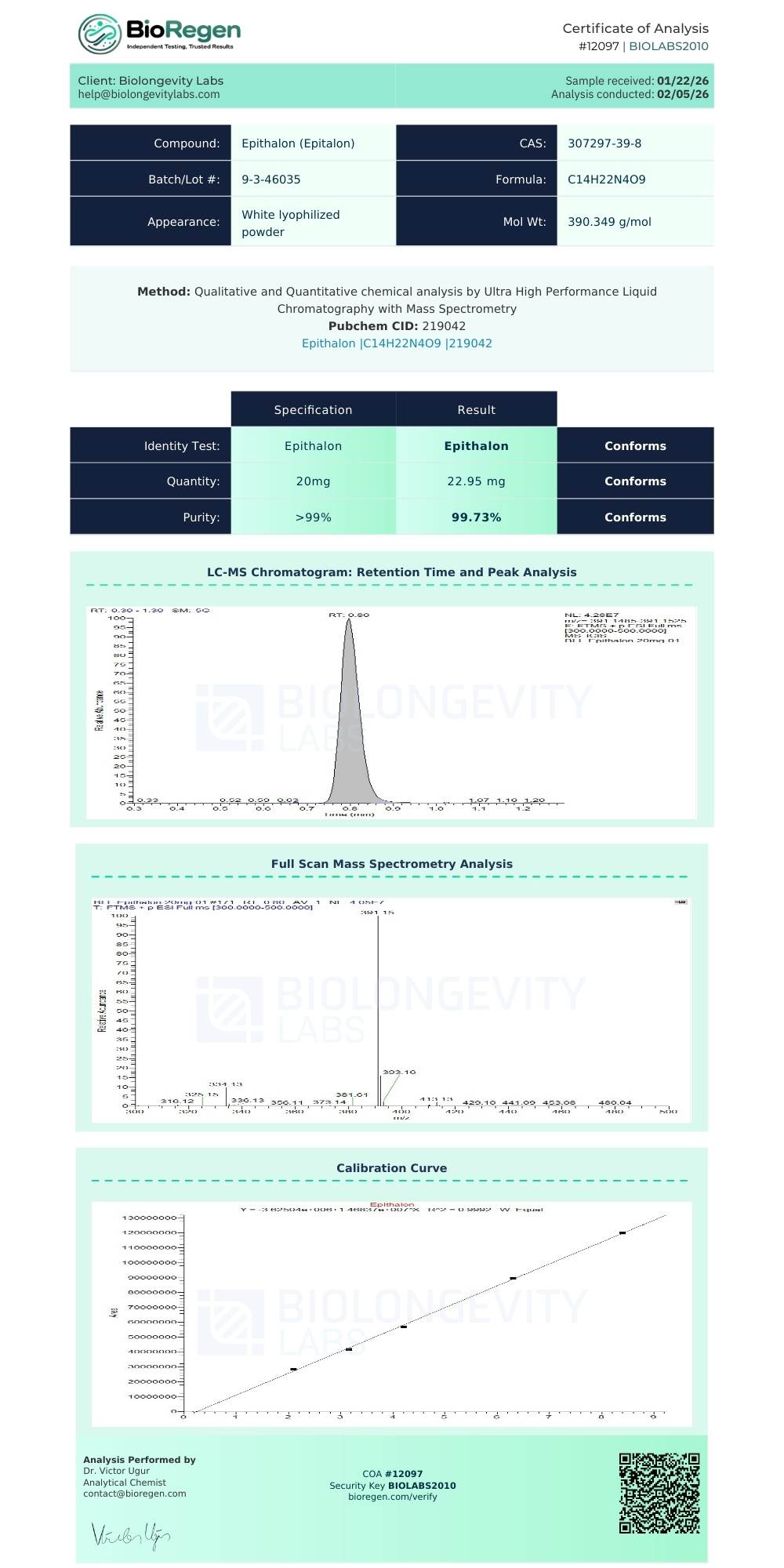
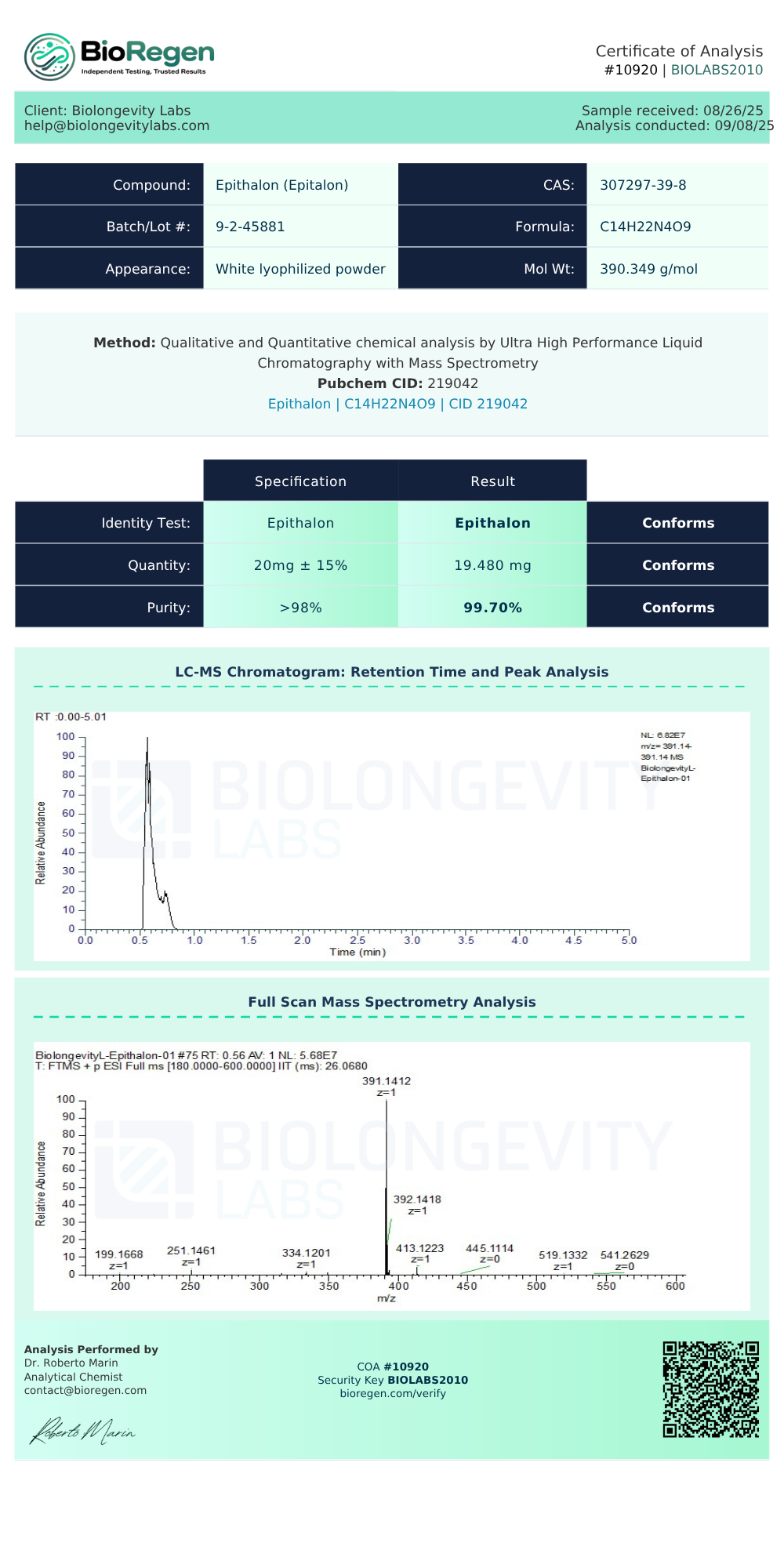
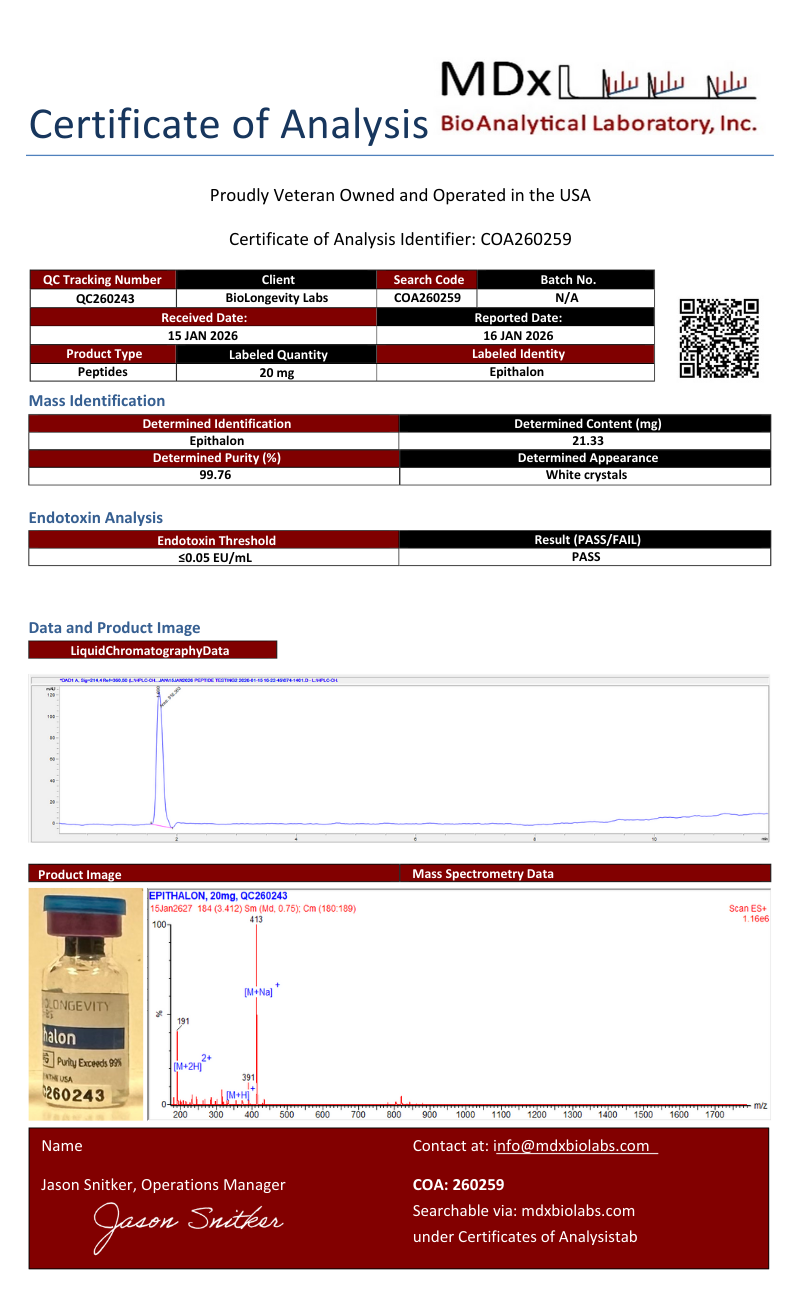
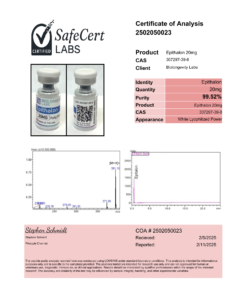
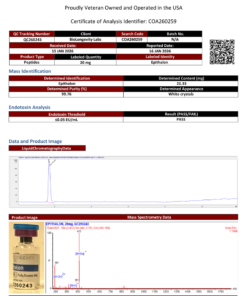
Certificate of Analysis (COA) for Every Batch
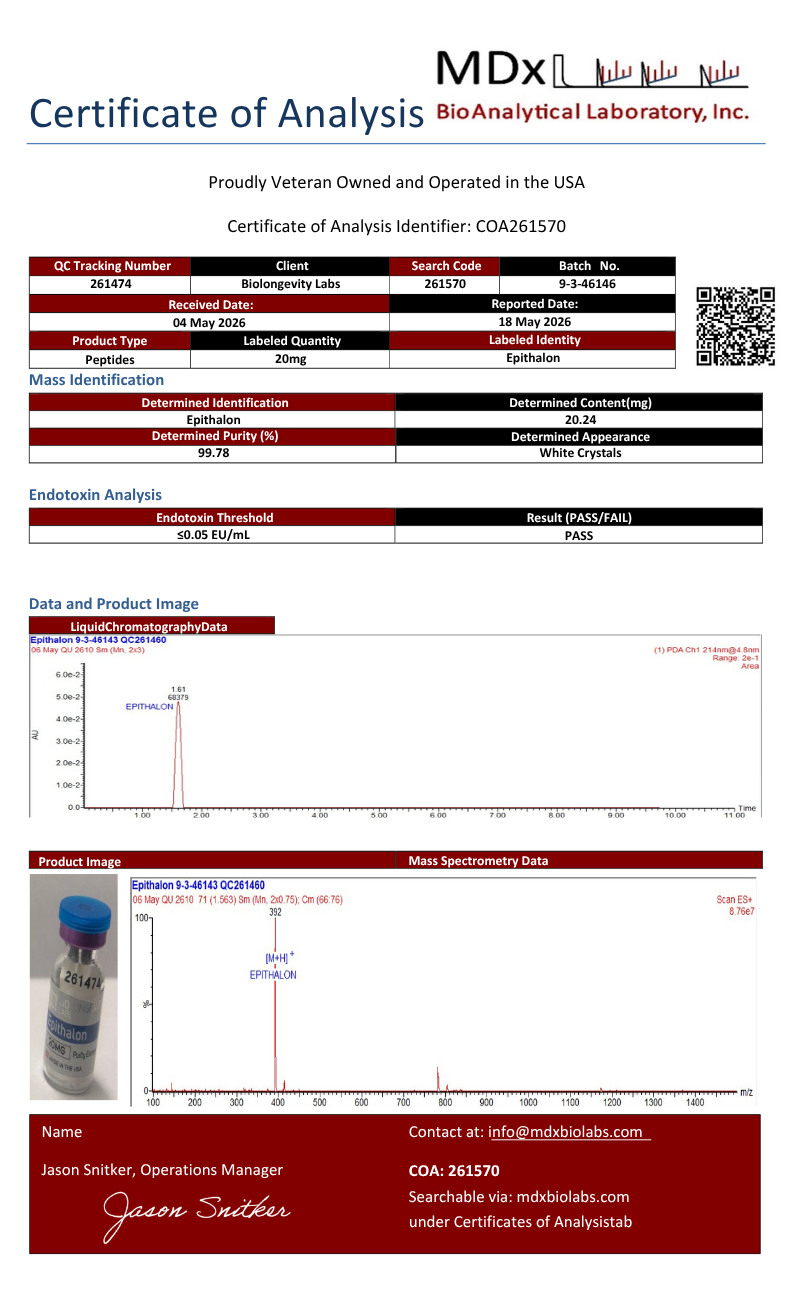
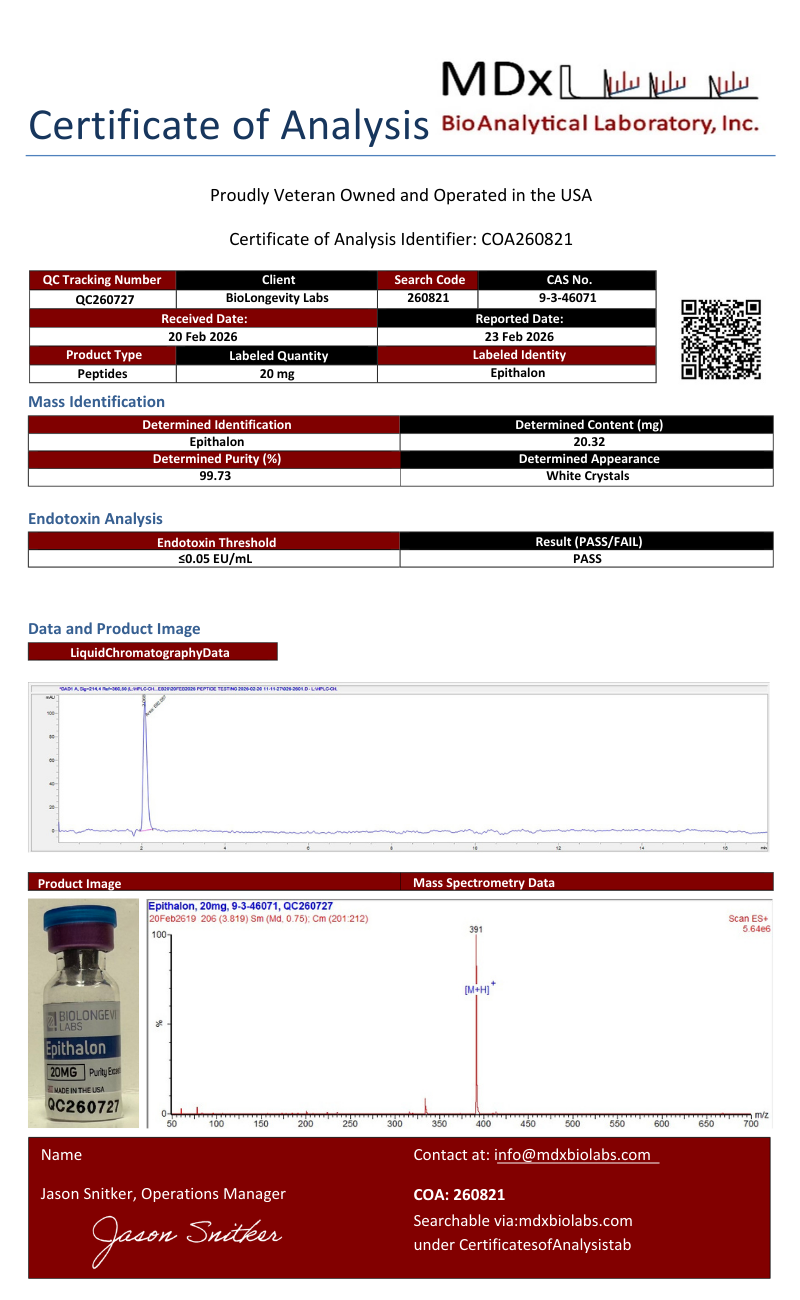
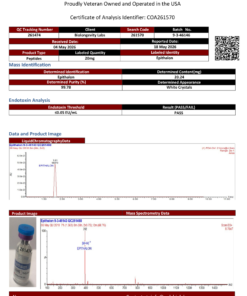
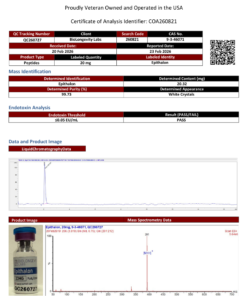
A Certificate of Analysis (COA) is a document that verifies a compound’s identity, purity, and batch quality through independent laboratory testing. Every compound from BioLongevity Labs ships with a COA tied to its specific batch, so researchers can confirm exactly what they received before it enters a protocol.
Each COA reports results from third-party laboratory analysis, including:
- High-performance liquid chromatography (HPLC) for purity, typically confirmed at 99% or higher
- Liquid chromatography mass spectrometry (LC-MS) for molecular identity and mass confirmation
- Sterility and endotoxin screening where applicable
- Chemical contaminant and residual solvent checks
COAs are sourced from independent certified labs rather than in-house testing alone, giving researchers a verifiable record of molecular integrity for each batch. All compounds are supplied for research use only.


Reviews
There are no reviews yet.