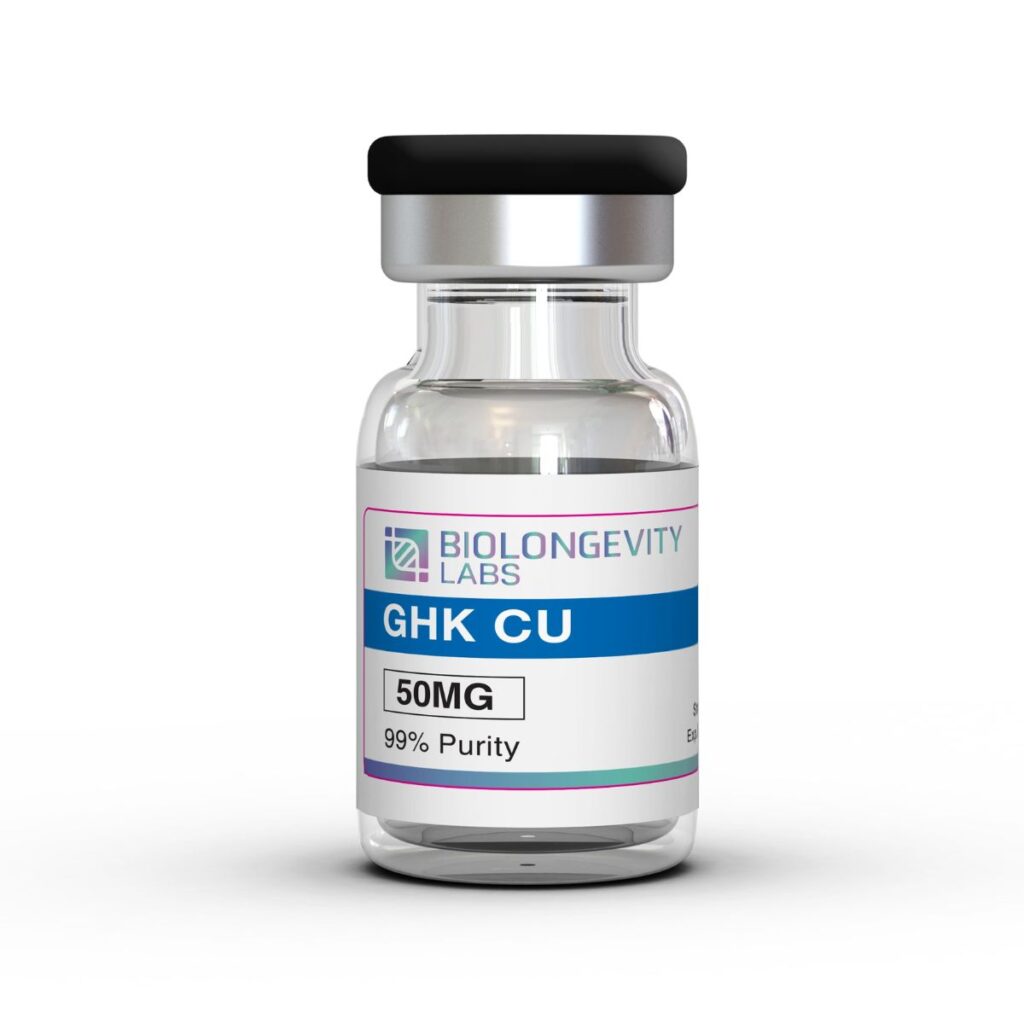
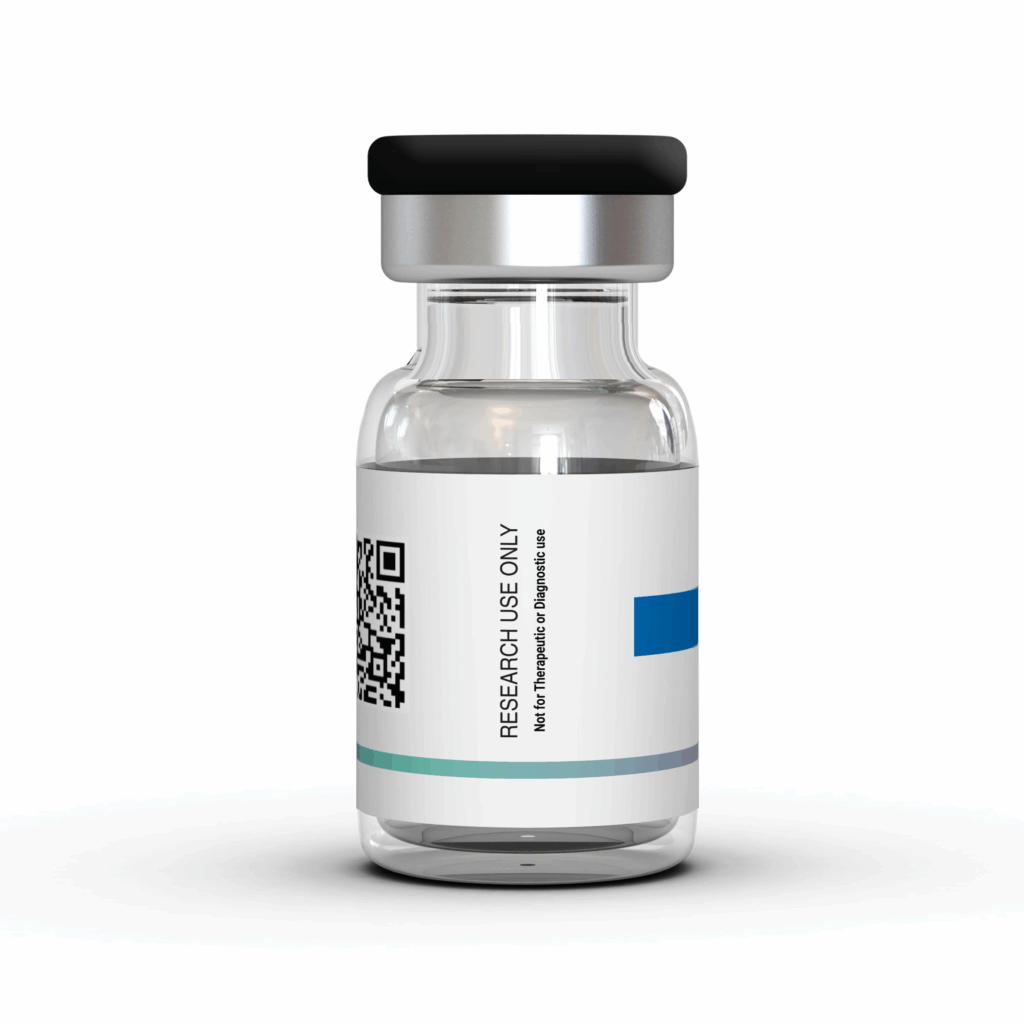
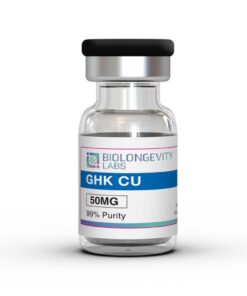
GHK-Cu Copper Peptide (50mg) For Sale
GHK-Cu is a naturally occurring tripeptide-copper complex found in human plasma. It functions as a biological regulator that promotes wound healing, stimulates collagen synthesis, and possesses anti-inflammatory and antioxidant properties.
GHK-Cu (Copper Peptide) Product Description
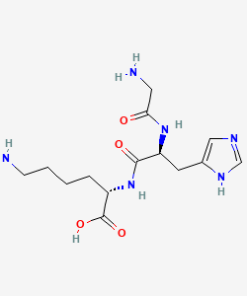
GHK-Cu (glycine-histidine-lysine copper peptide) is a naturally occurring tripeptide complex discovered by Dr. Loren Pickart in the 1970s. This copper-binding peptide plays roles in wound healing, tissue regeneration, and anti-inflammatory processes. GHK-Cu stimulates collagen and elastin production while providing antioxidant protection. It promotes angiogenesis (formation of new blood vessels) and helps regulate remodeling in damaged tissues. Due to these properties, GHK-Cu is widely used in anti-aging skincare formulations and is being studied for potential applications in wound healing, hair growth, and tissue regeneration.
Peptide Information
| Property | Value |
|---|---|
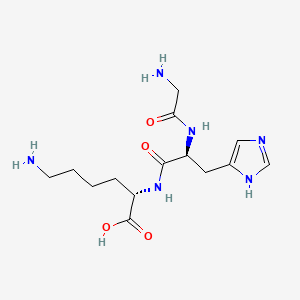
| Peptide Sequence | Gly-His-Lys |
| Molecular Formula | C14H24N6O4 |
| Molecular Weight | 340.38 g/mol |
| CAS Number | 49557-75-7 |
| PubChem CID | 73587 |
| Synonyms | glycyl-l-histidyl-l-lysine, 49557-75-7, Gly-his-lys, Prezatide, L-Lysine, glycyl-L-histidyl- |
Lyophilized Peptides:
These peptides are freeze-dried, a process that not only extends shelf life but also preserves the purity and integrity of the peptides during storage. We do not use any fillers in this process.
GHK-Cu Research
GHK-Cu is a copper peptide complex that combines the tripeptide GHK (Glycine-Histidine-Lysine) with a copper ion. It occurs naturally in human plasma, with levels that decline with age. This compound has gained attention for several biological properties:
- Wound healing and tissue regeneration
- Stimulation of collagen production
- Anti-inflammatory effects
- Antioxidant properties
- Promotion of blood vessel formation
Due to these properties, GHK-Cu is used in:
- Skincare products, particularly anti-aging formulations
- Hair growth treatments
- Wound healing applications
Research suggests it works by activating specific genes related to healing and attracting immune cells to injury sites.
Skin Health and Tissue Repair
GHK-Cu is widely used in cosmetic products due to its anti-aging properties. It improves skin elasticity, firmness, and reduces fine lines, wrinkles, and photodamage1. Studies have demonstrated that GHK-Cu can tighten loose skin, enhance skin density, and reduce hyperpigmentation2. Its ability to inhibit elastase activity further supports the structural integrity of the skin by reducing elastin degeneration3.
GHK-Cu is a potent wound healing agent, promoting angiogenesis, cell proliferation, and the synthesis of growth factors such as vascular endothelial growth factor (VEGF) and fibroblast growth factor-2 (FGF-2). In vivo studies have shown that GHK-Cu accelerates wound healing in various models, including scald wounds in mice, by enhancing angiogenesis and shortening healing time4. The peptide’s ability to stimulate connective tissue accumulation and collagen synthesis has been demonstrated in experimental wound models5.
Pulmonary Conditions
GHK-Cu has shown promising results in the treatment of bleomycin-induced pulmonary fibrosis, a model for idiopathic pulmonary fibrosis (IPF).
Studies indicate that GHK-Cu can inhibit inflammatory and fibrotic changes by reducing inflammatory cytokines such as TNF-α and IL-6, and by decreasing collagen deposition in lung tissues. It also helps in reversing the imbalance of matrix metalloproteinases (MMP-9) and their inhibitors (TIMP-1), and in preventing epithelial-mesenchymal transition (EMT) through the modulation of Nrf2, NF-κB, and TGF-β1/Smad2/3 signaling pathways6.
In the context of COPD, GHK-Cu has been found to attenuate cigarette smoke-induced pulmonary emphysema and inflammation. It achieves this by reducing oxidative stress and inflammation, as evidenced by decreased levels of inflammatory cytokines and oxidative markers in lung tissues. GHK-Cu also restores antioxidant defenses by upregulating Nrf2 expression, which is crucial for combating oxidative damage in COPD7.
GHK-Cu has also been studied in models of acute lung injury (ALI), where it demonstrates protective effects by reducing reactive oxygen species (ROS) production and increasing antioxidant enzyme activity. It suppresses inflammatory responses by inhibiting NF-κB and p38 MAPK signaling pathways, reducing lung tissue damage and inflammatory cell infiltration8.
Neurodegenerative Disorders
One of the critical pathological features of neurodegenerative disorders is protein misfolding and aggregation. GHK-Cu has been shown to prevent copper- and zinc-induced protein aggregation, thereby protecting central nervous system cells from metal-induced toxicity. This property is particularly relevant in conditions like Alzheimer’s disease, where metal ion imbalance contributes to disease progression9.
Studies have demonstrated that GHK-Cu can enhance cognitive performance and provide neuroprotection. In animal models, intranasal administration of GHK-Cu improved cognitive functions, reduced amyloid plaques, and decreased inflammation in the brain, suggesting its potential as a therapeutic agent for Alzheimer’s disease and age-related cognitive decline10.
GHK-Cu influences gene expression patterns that are crucial for maintaining nervous system health. It has been shown to reset pathological gene expression to healthier states, which may counteract age-related dysregulation of biochemical pathways and support neuronal survival and function11.
Antibacterial Properties
GHK-Cu nanoparticles (GHK-Cu NPs) have been shown to possess significant antibacterial properties. In a study focusing on their application in wound healing, GHK-Cu NPs demonstrated effective antibacterial activity against common bacterial strains such as E. coli and S. aureus12.
The self-assembled nature of these nanoparticles not only addresses the instability issues of GHK-Cu in biological fluids but also enhances their antibacterial efficacy. This makes them a promising candidate for biomedical applications, particularly in wound healing where infection control is crucial.
Anti-Cancer Activities and Gene Expression Modulation
GHK-Cu exhibits multiple anti-cancer activities. It has been shown to modulate gene expression in cancer cells, such as MCF7 breast cancer cells and PC3 prostate cancer cells. This modulation can reverse the pathological expression of genes associated with cancer progression, thereby potentially restoring tissue integrity and health13.
Recent studies have highlighted GHK-Cu’s ability to influence gene expression significantly. It can reverse the pathological expression of a substantial percentage of genes in metastasis-prone colon cancer, indicating its potential to alter the course of cancer development. This gene modulation capability extends to shifting gene expression in COPD lungs from a destructive state to one of healthy remodeling, showcasing its broad therapeutic potential13.
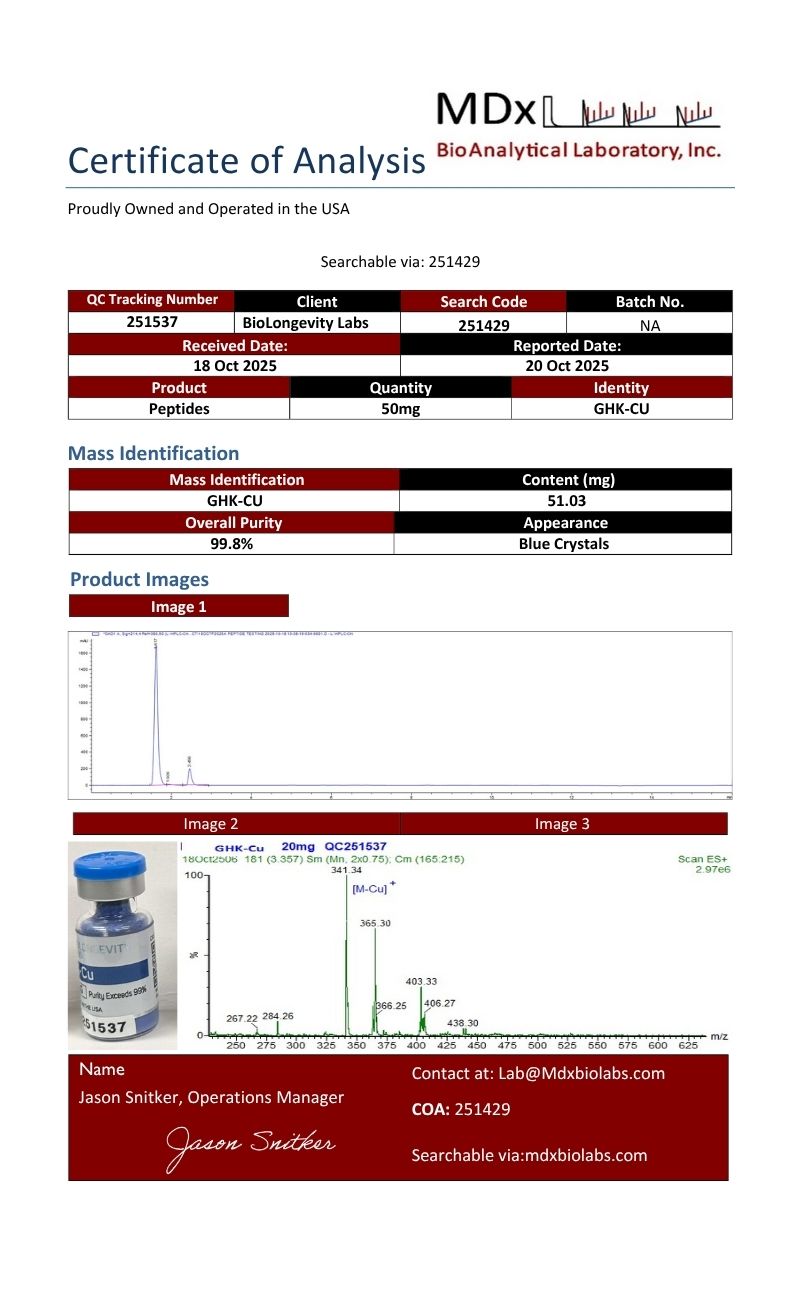
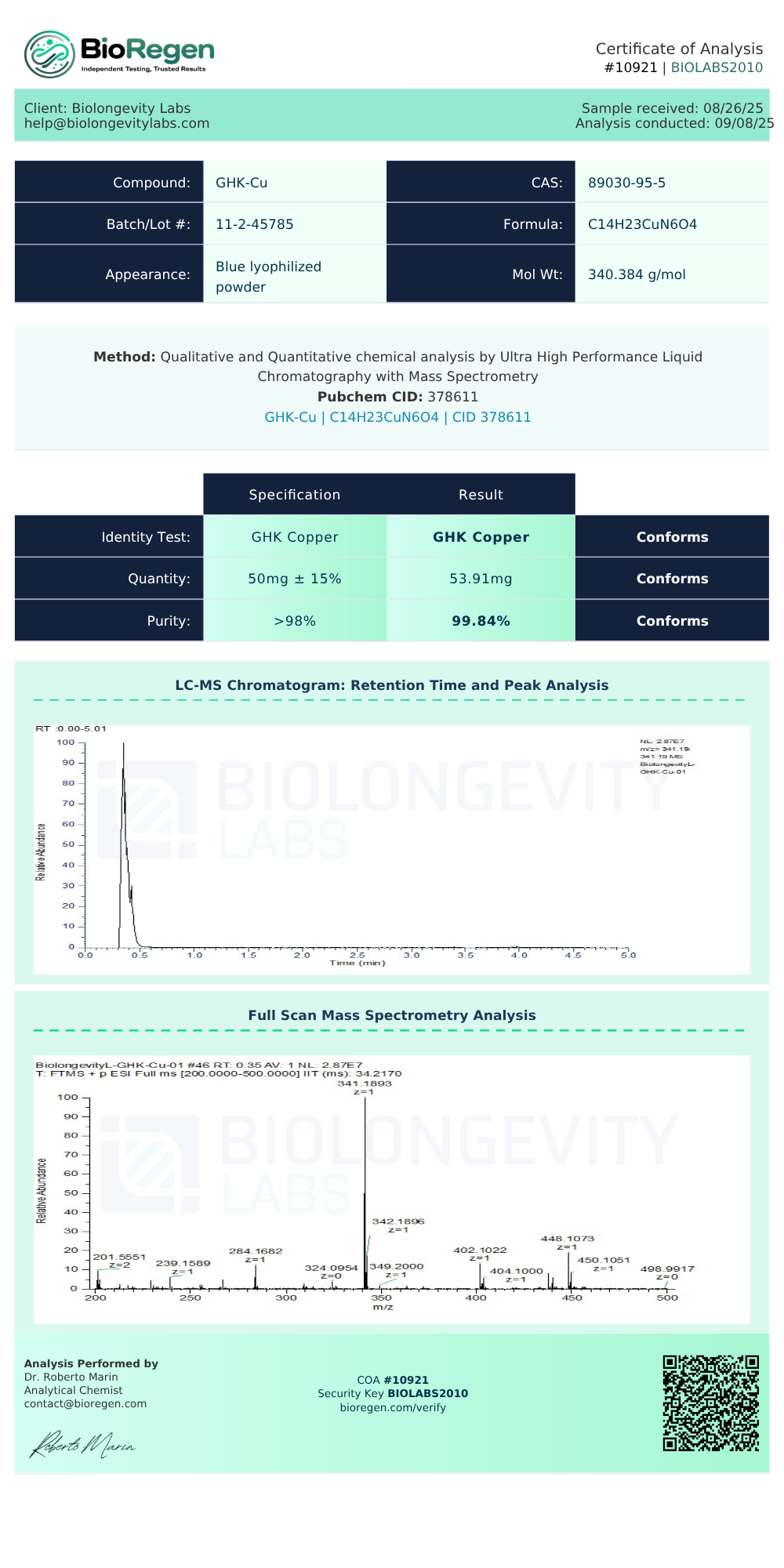
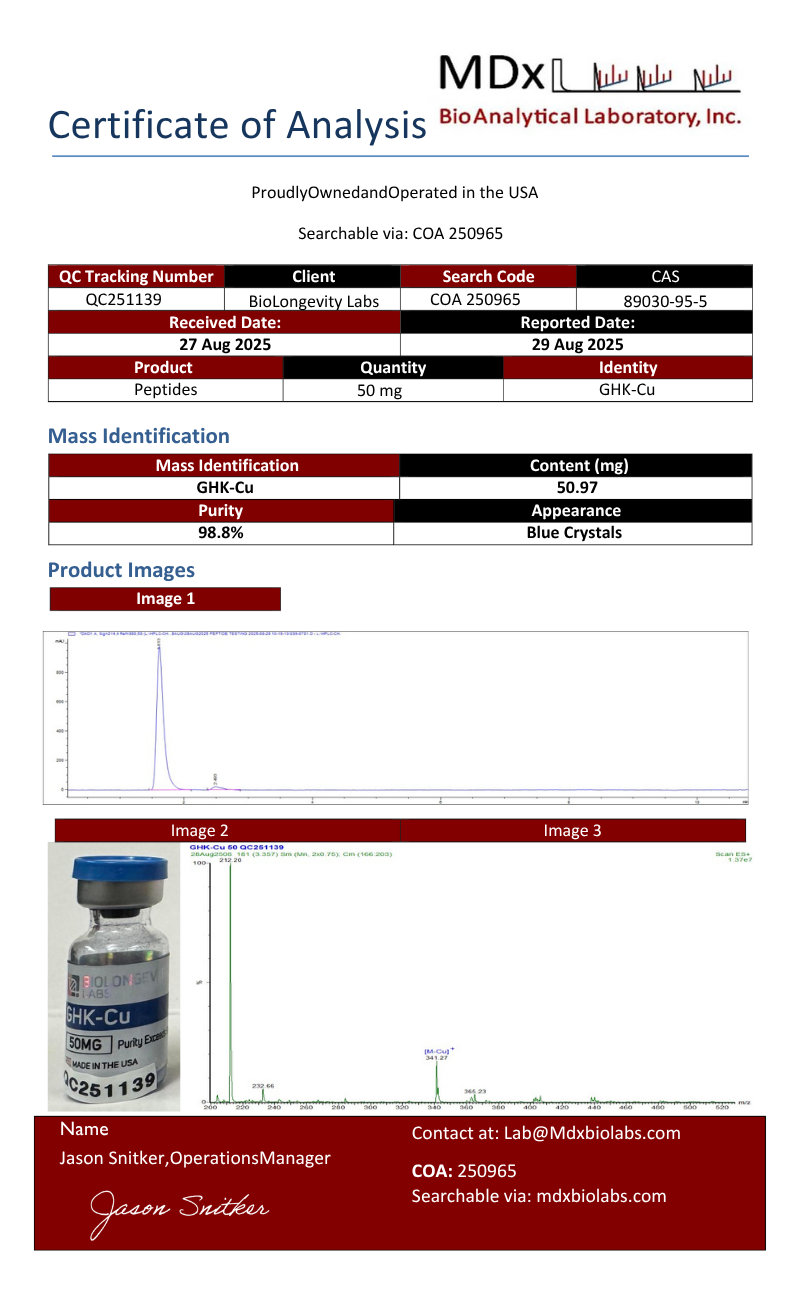
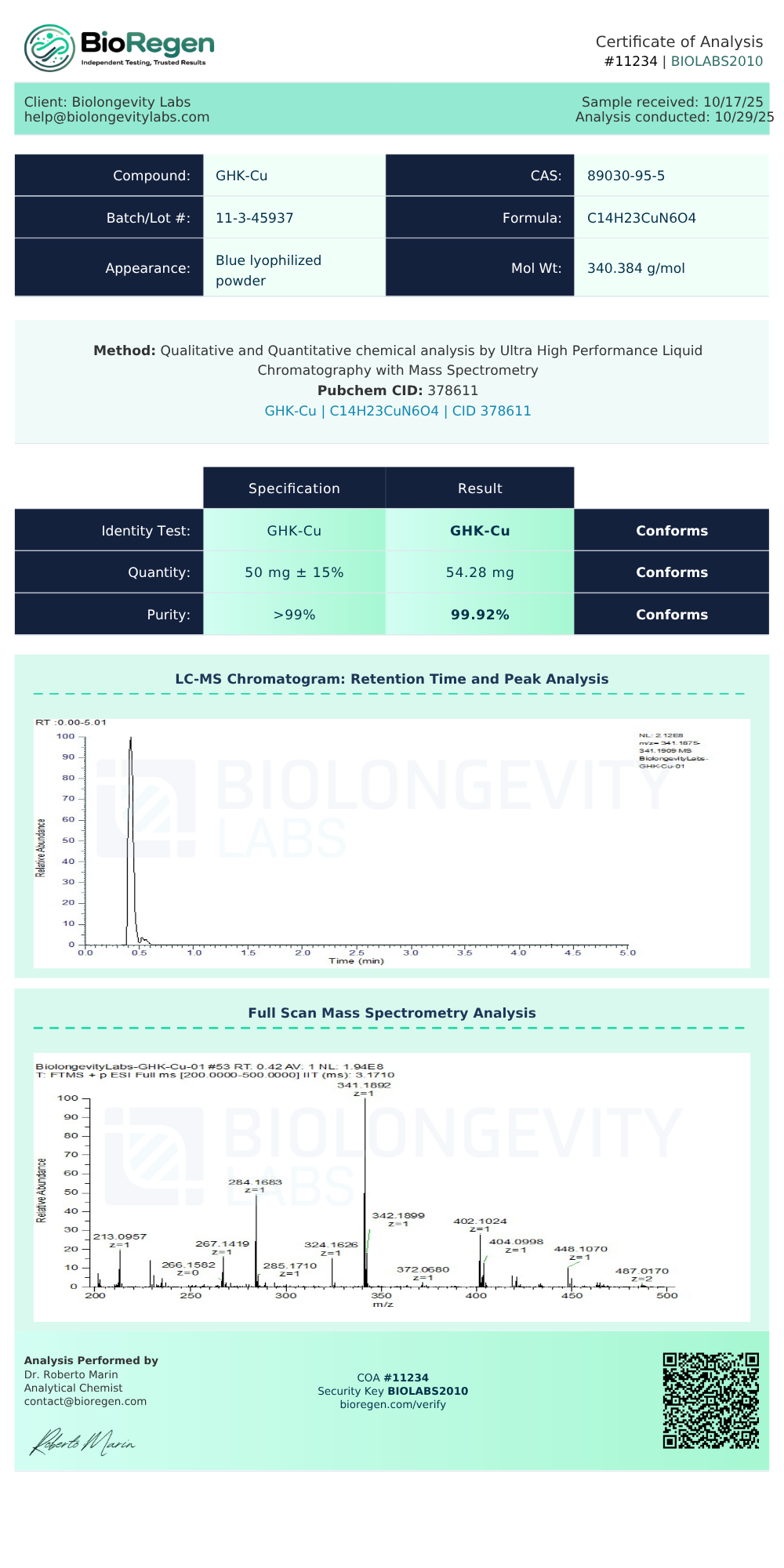
Certificate of Analysis (COA) for Every Batch
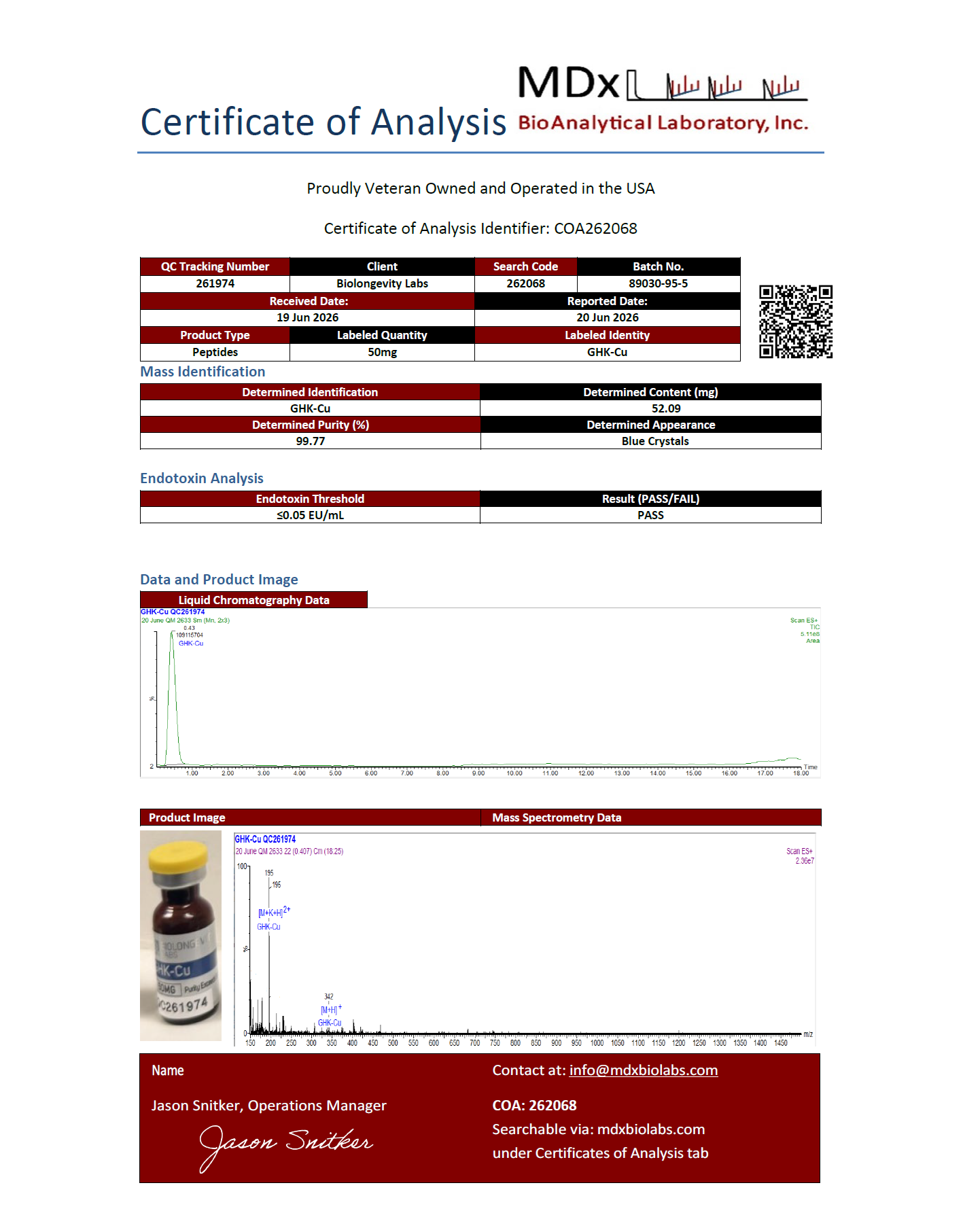
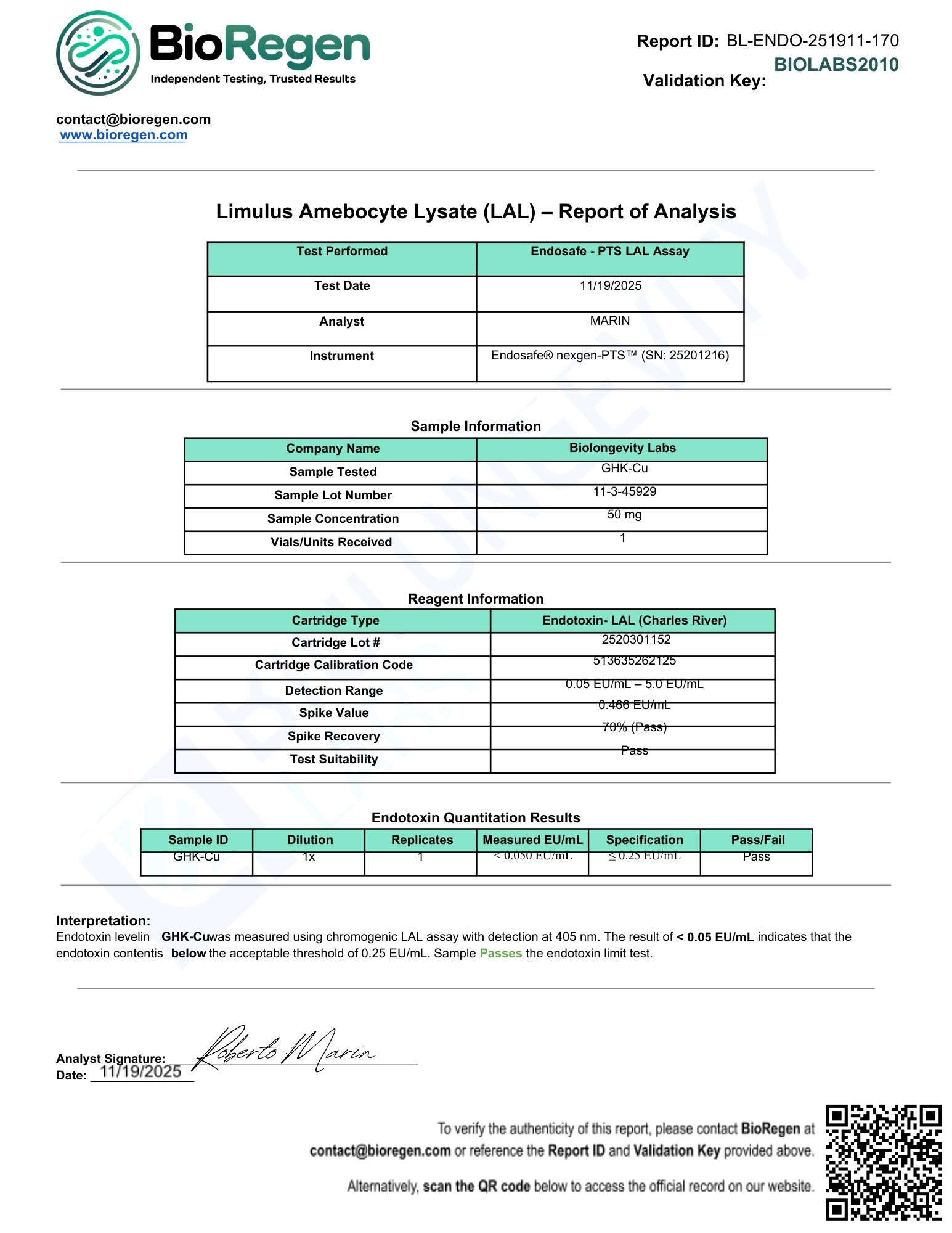
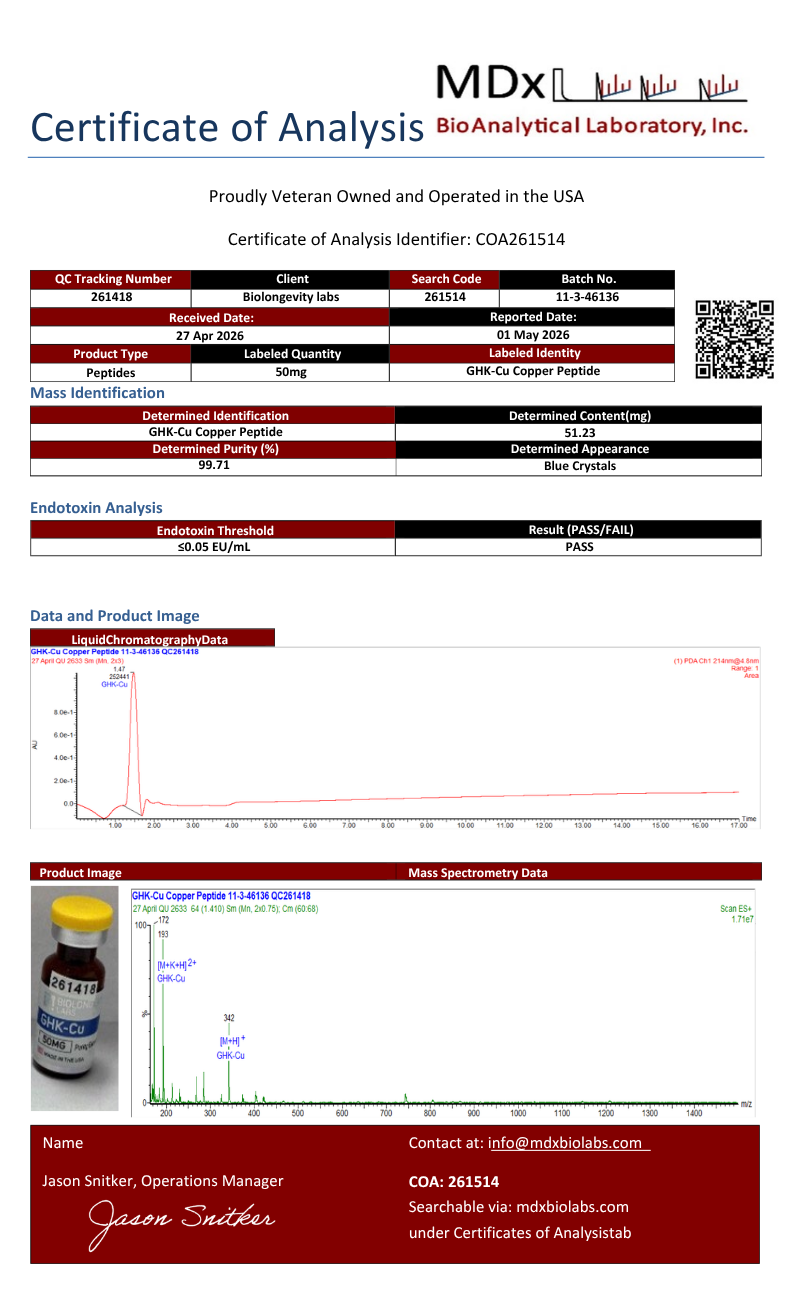
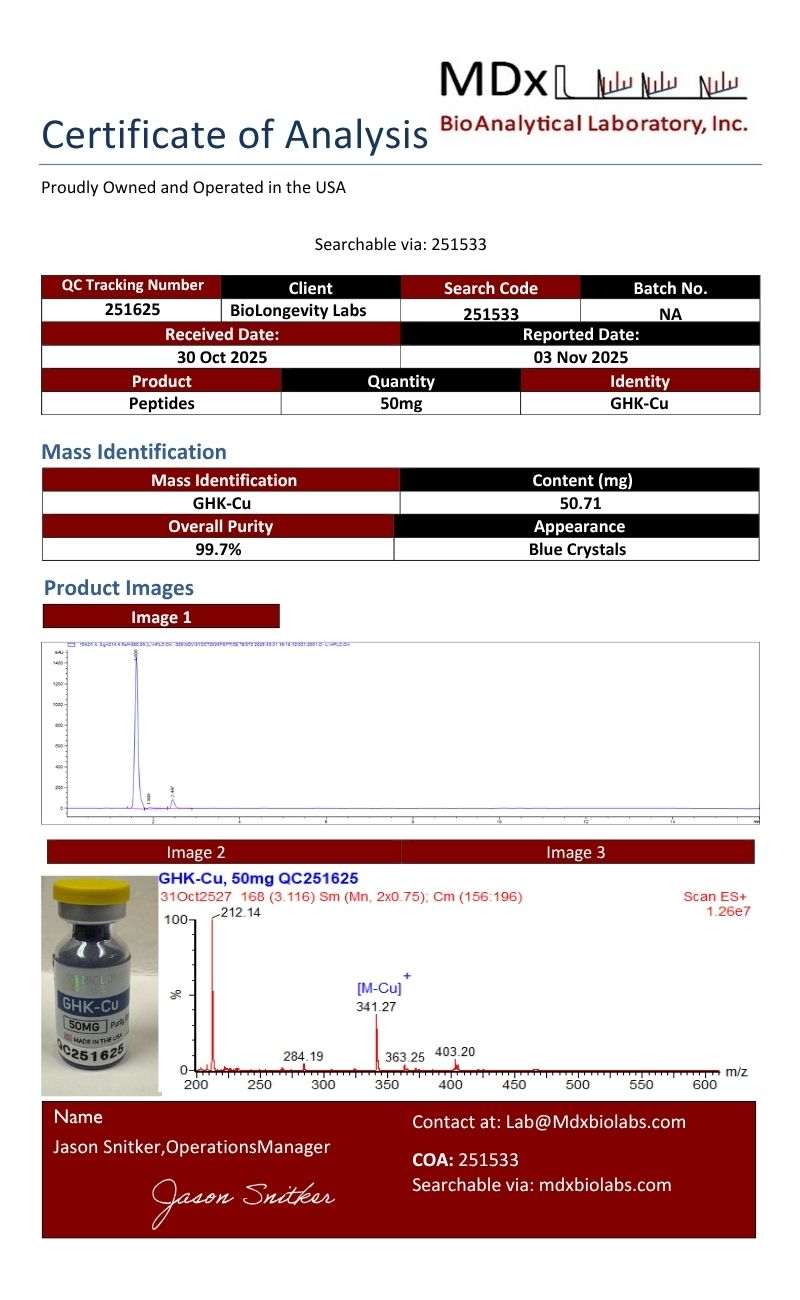
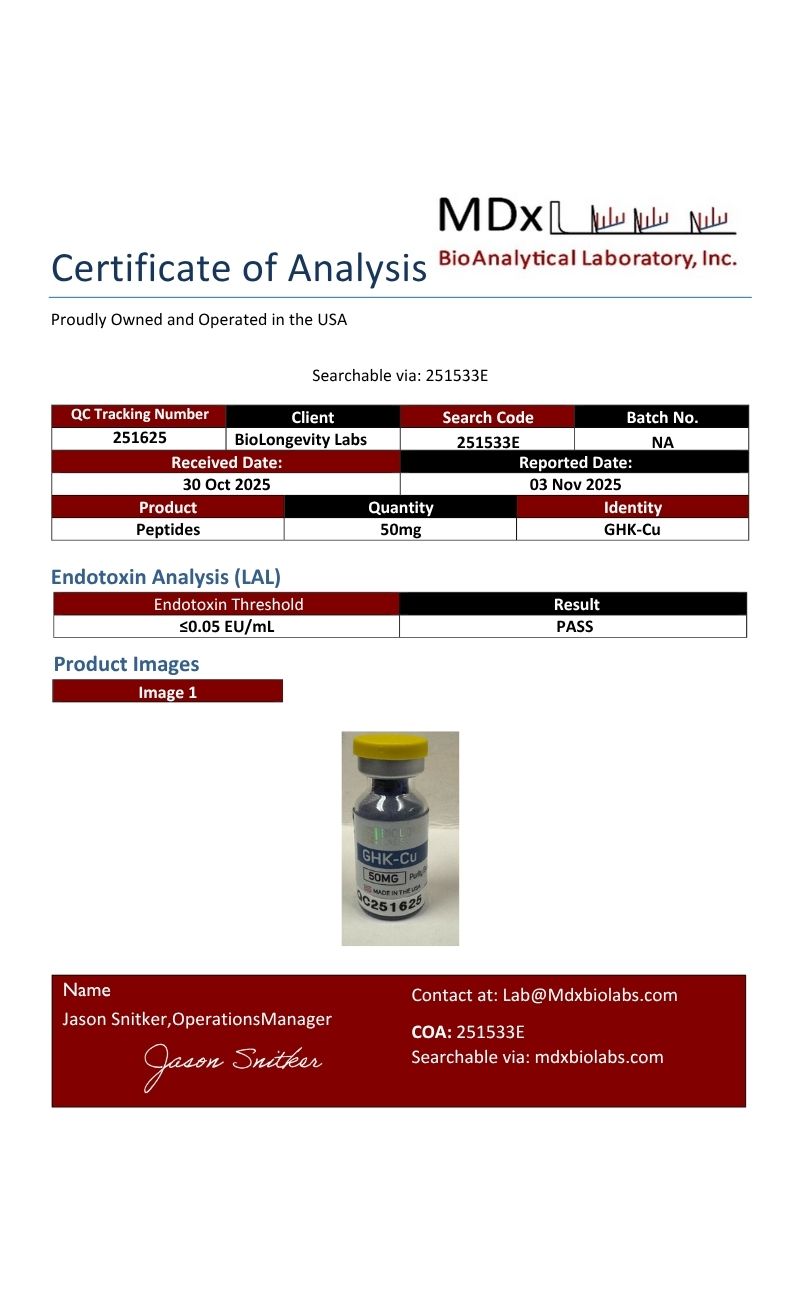
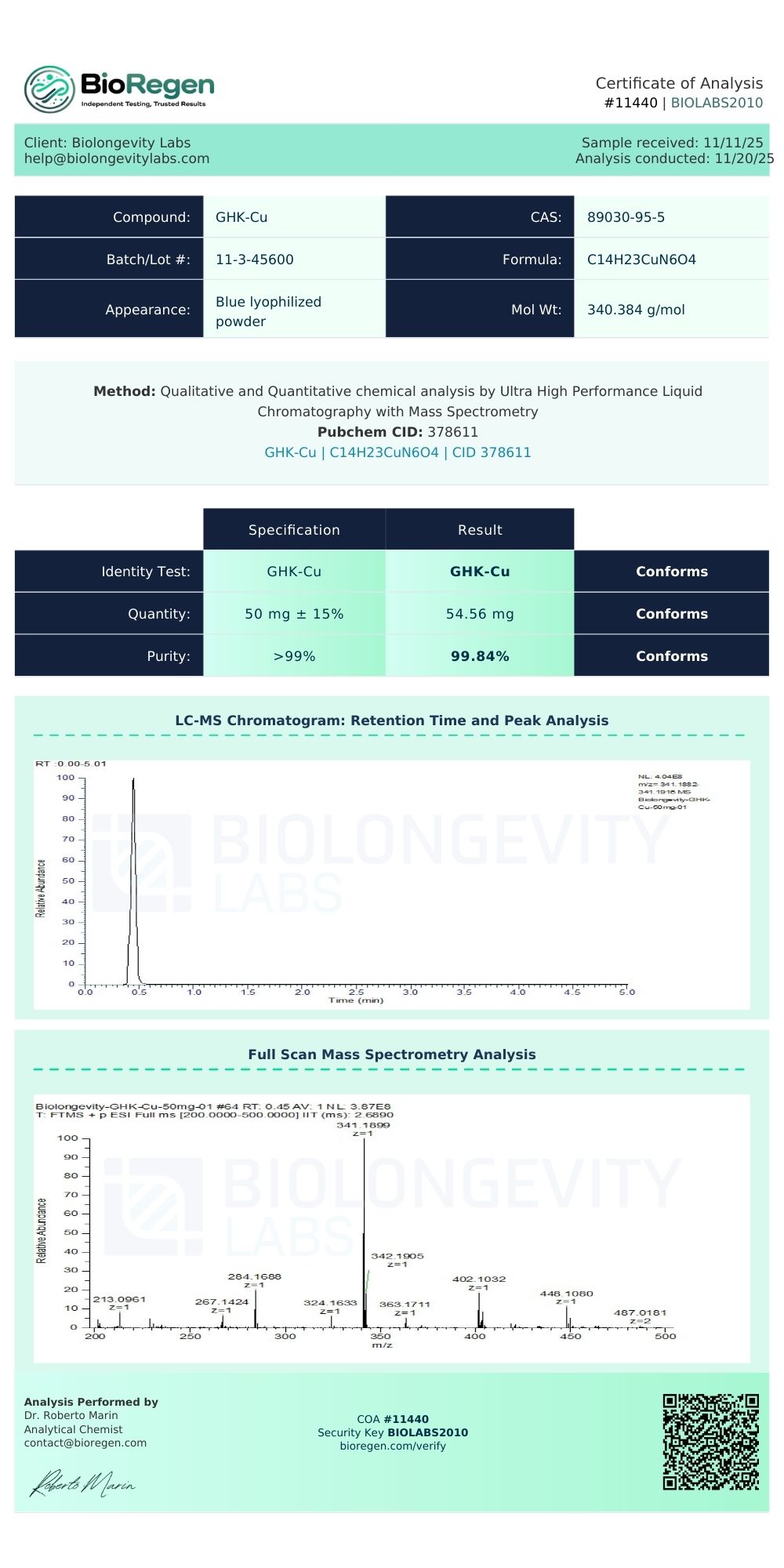
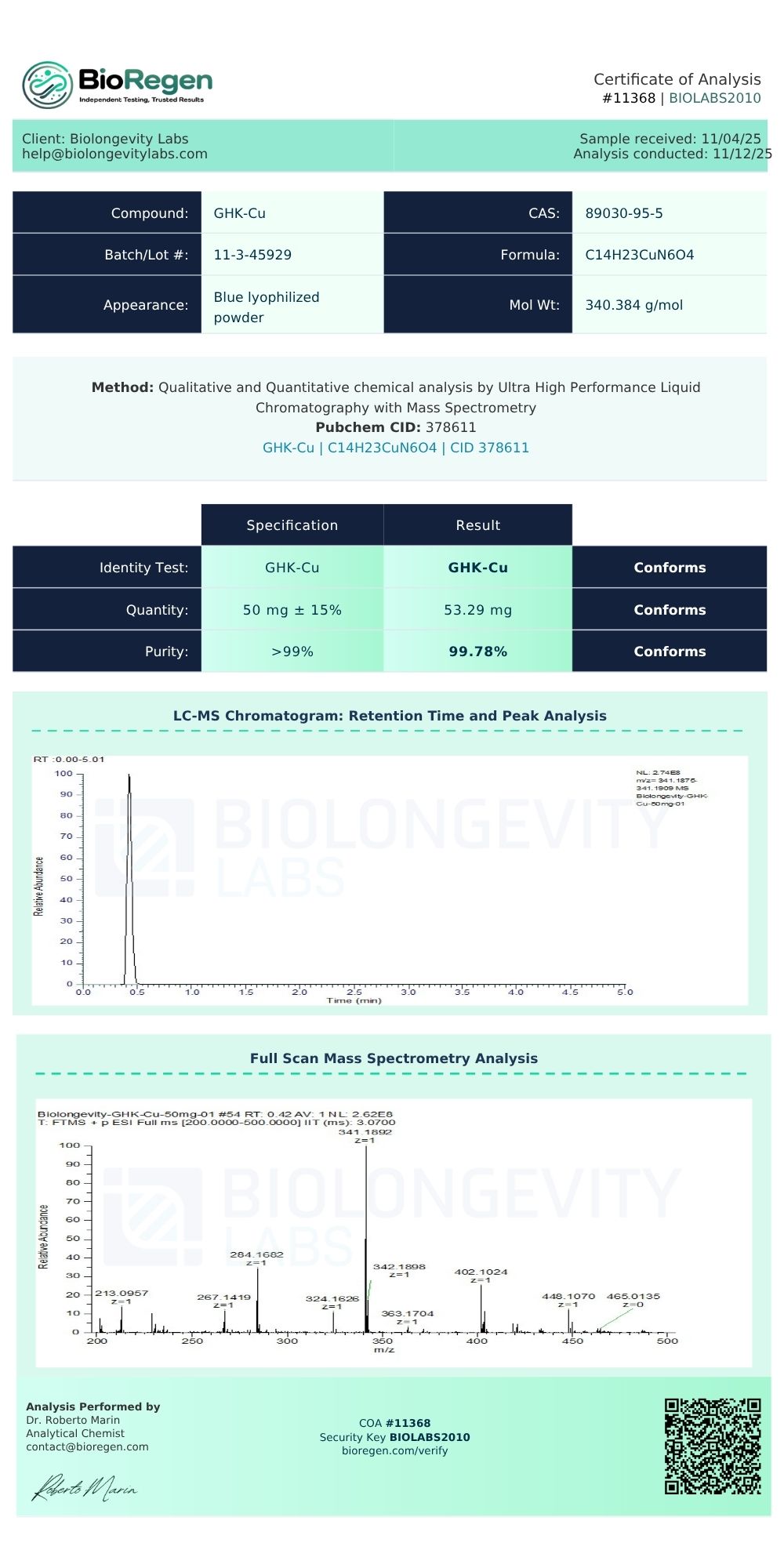
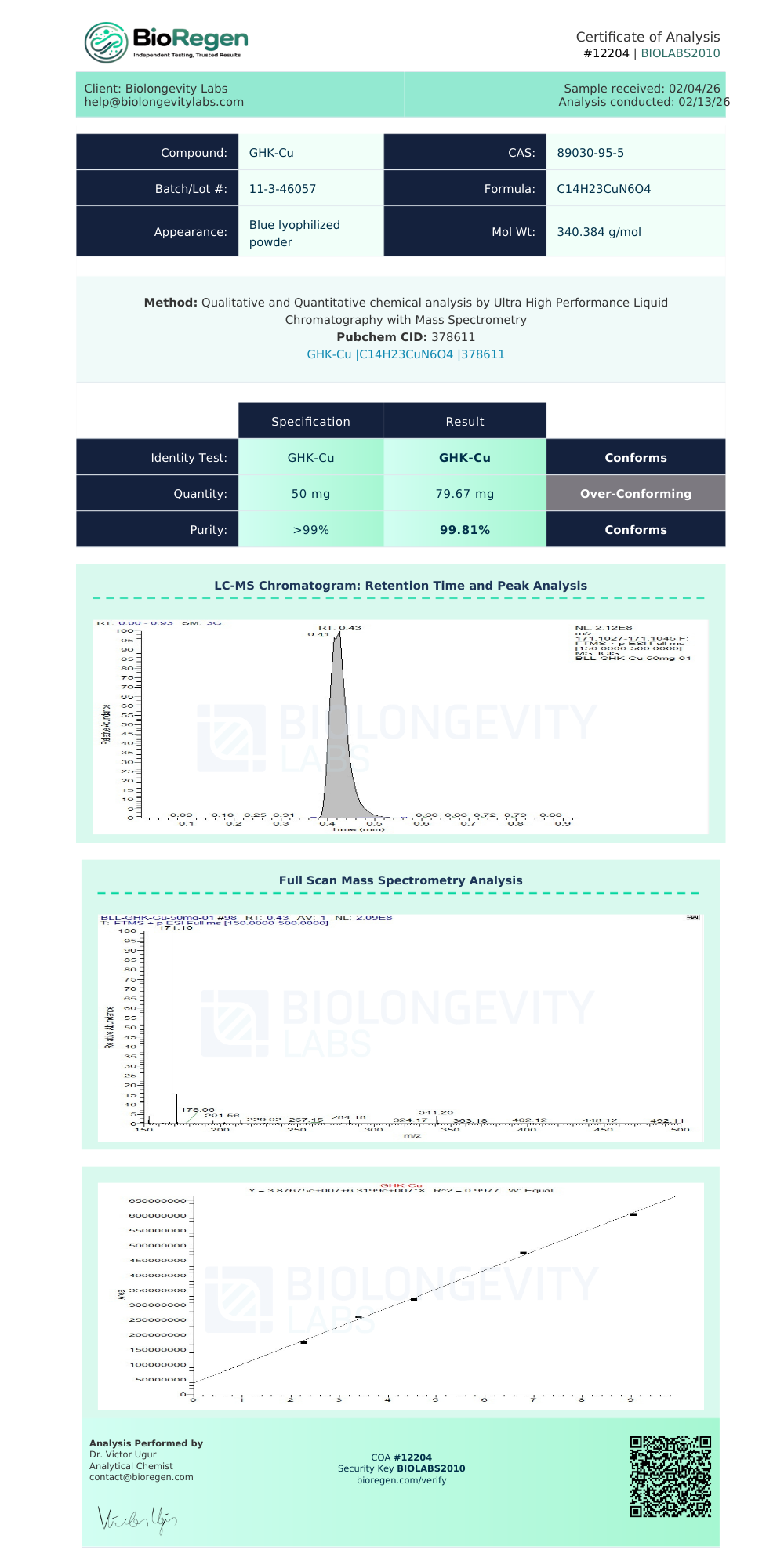
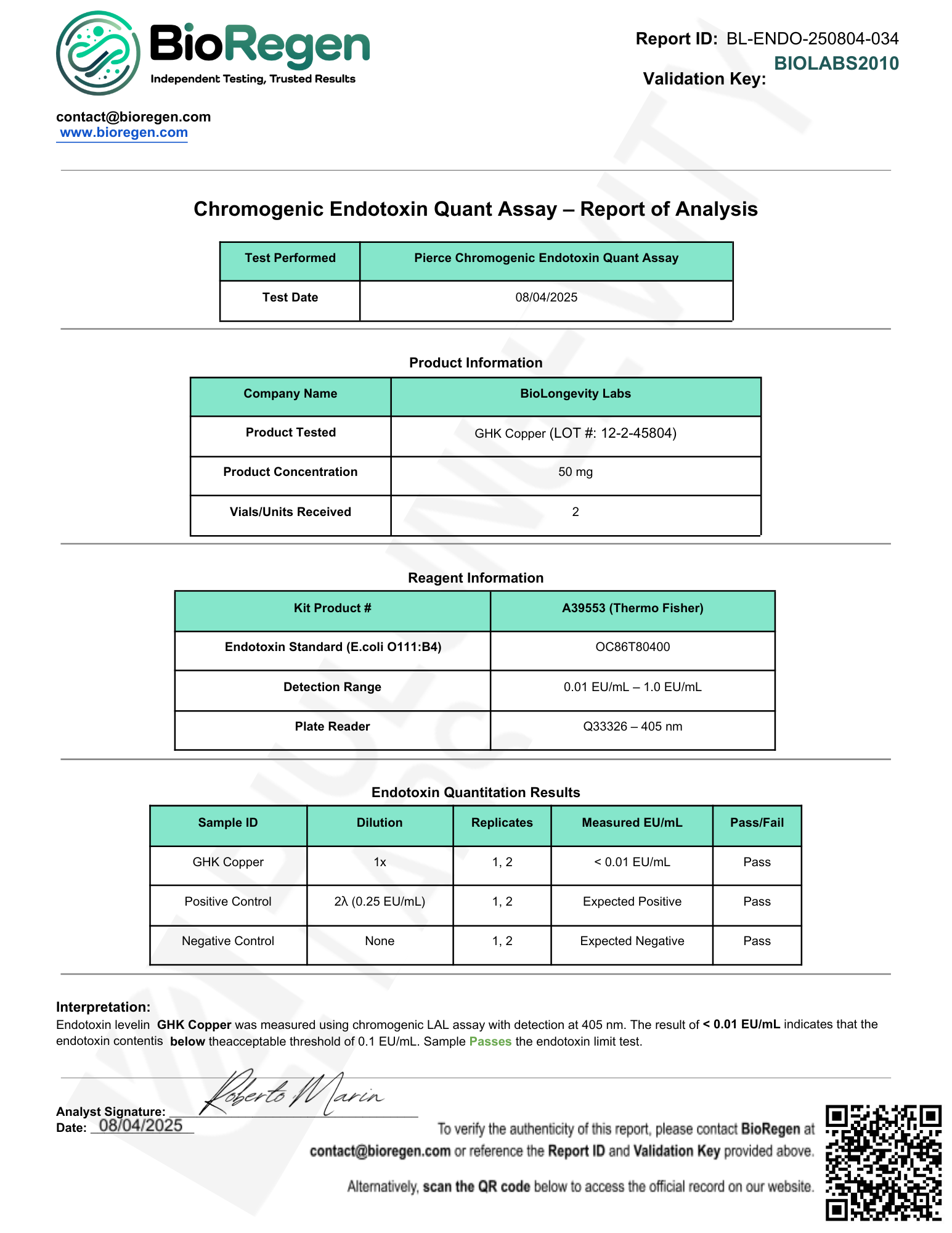
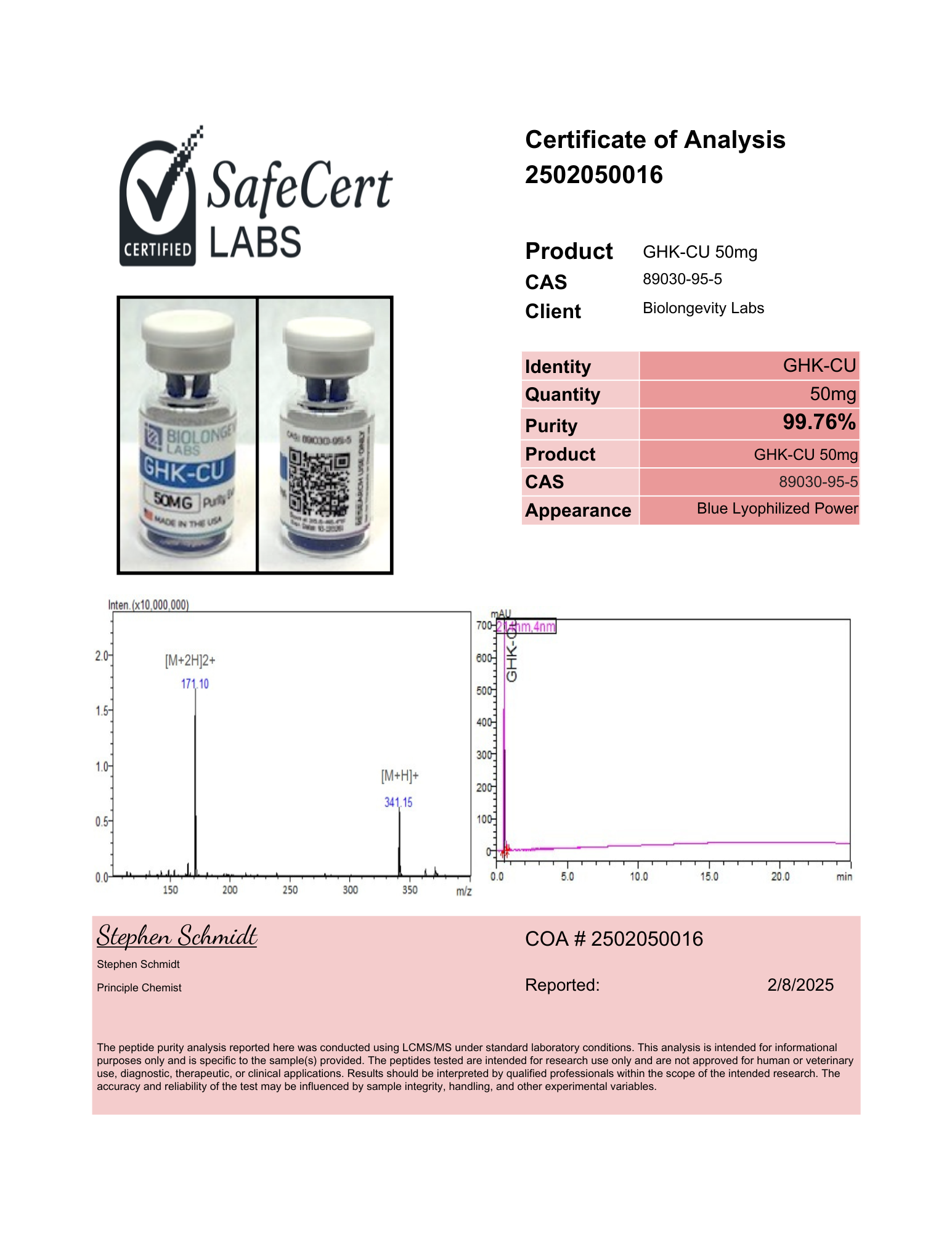
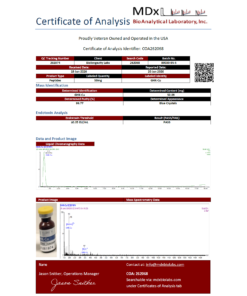
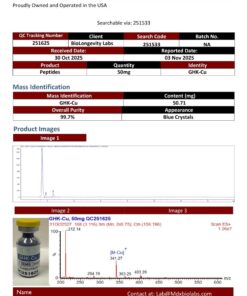
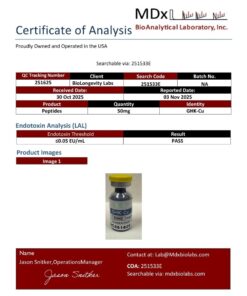
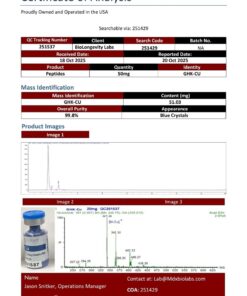
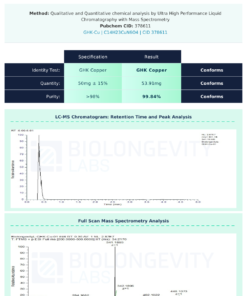
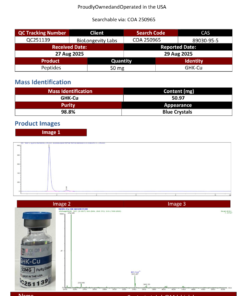
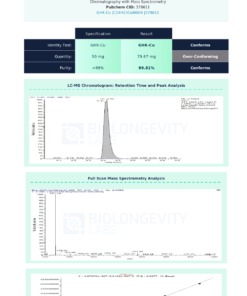
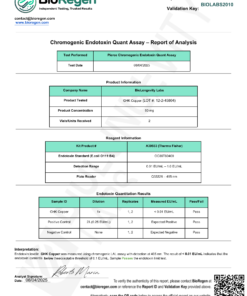
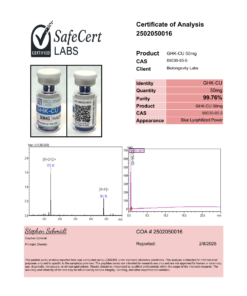
A Certificate of Analysis (COA) is a document that verifies a compound’s identity, purity, and batch quality through independent laboratory testing. Every compound from BioLongevity Labs ships with a COA tied to its specific batch, so researchers can confirm exactly what they received before it enters a protocol.
Each COA reports results from third-party laboratory analysis, including:
- High-performance liquid chromatography (HPLC) for purity, typically confirmed at 99% or higher
- Liquid chromatography mass spectrometry (LC-MS) for molecular identity and mass confirmation
- Sterility and endotoxin screening where applicable
- Chemical contaminant and residual solvent checks
COAs are sourced from independent certified labs rather than in-house testing alone, giving researchers a verifiable record of molecular integrity for each batch. All compounds are supplied for research use only.


Reviews
There are no reviews yet.