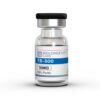
Tesamorelin (10mg) For Sale
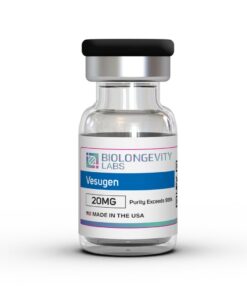
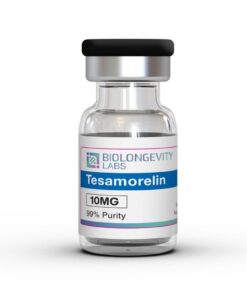
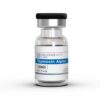
Tesamorelin is a synthetic 44-residue analog of growth hormone-releasing hormone (GHRH), produced through controlled peptide synthesis and stabilized by a trans-3-hexenoic acid group at the N-terminus. It is supplied as a lyophilized white powder in a 10mg vial for reconstitution under laboratory conditions. The compound is characterized in research on the growth hormone and IGF-1 axis, pituitary GHRH receptor signaling, and adipose tissue metabolism. All material is supplied for research use only.
Tesamorelin Description
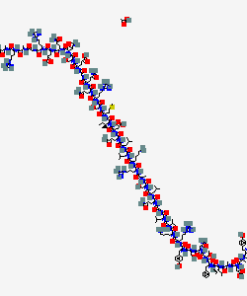
Tesamorelin is a synthetic peptide analog belonging to the GHRH-analog family, sharing the core 44-amino acid sequence of the endogenous releasing factor. The N-terminal lipid modification lengthens its serum persistence relative to native GHRH, which makes it a stable reference compound for laboratory work.
In research settings, the peptide is studied for how it interacts with pituitary GHRH receptors and the downstream growth hormone and IGF-1 signaling cascade. This places it in the same research area as other secretagogue compounds such as CJC-1295 and Ipamorelin.
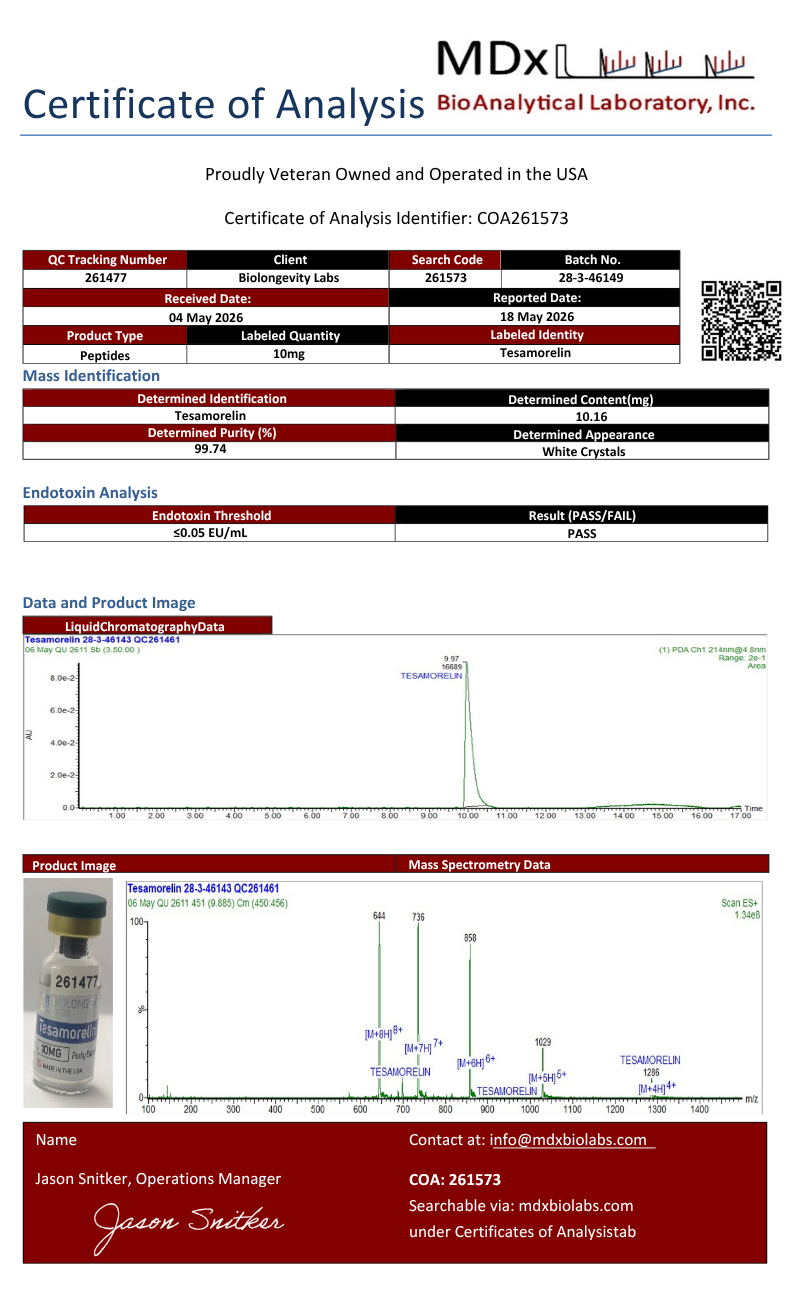
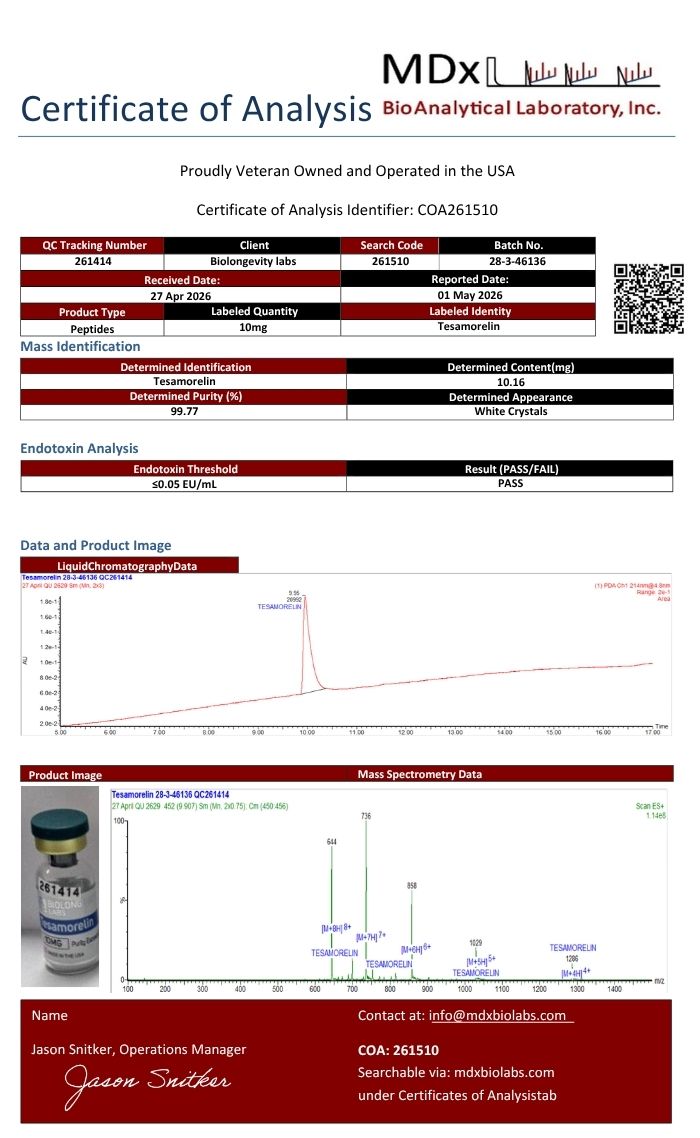
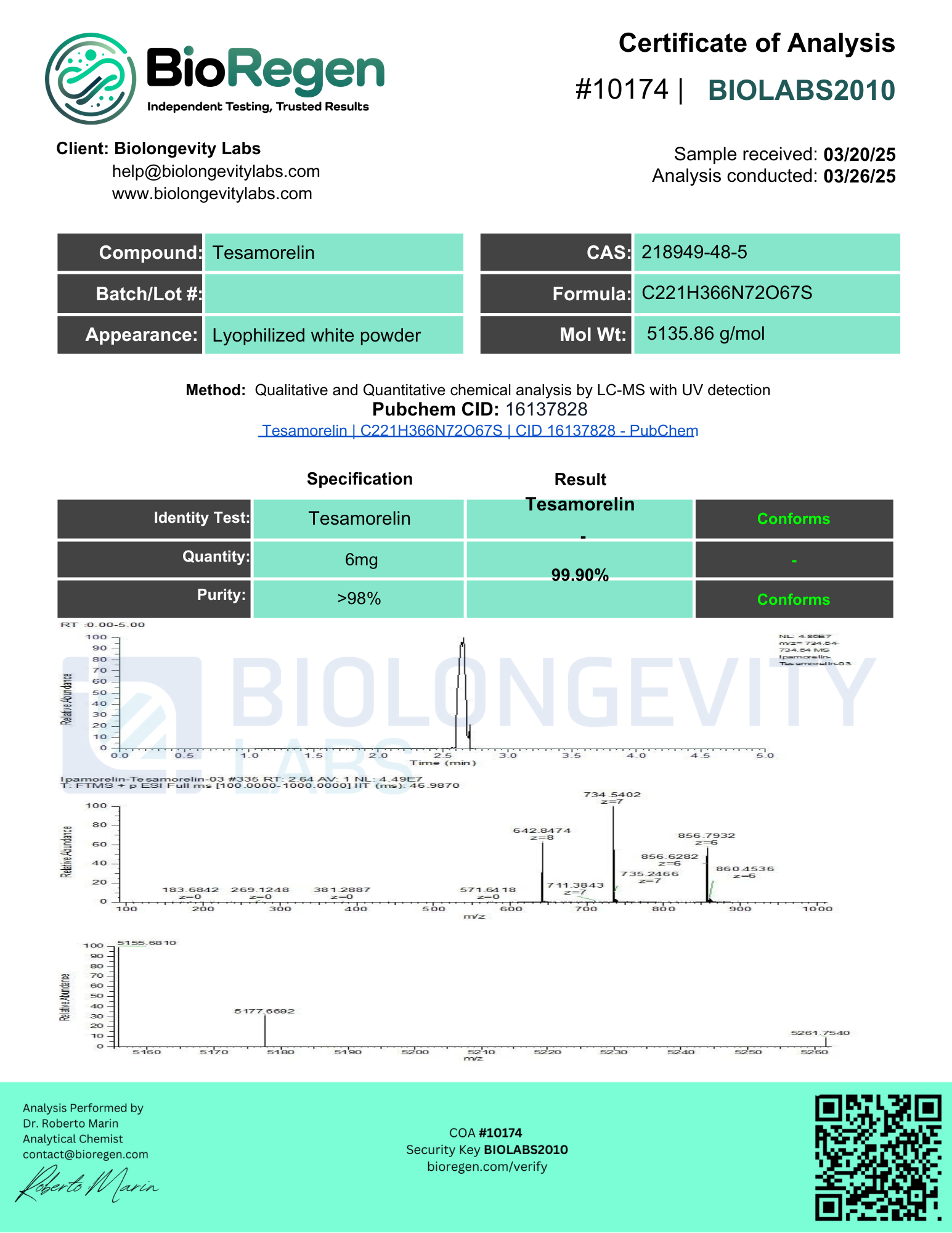
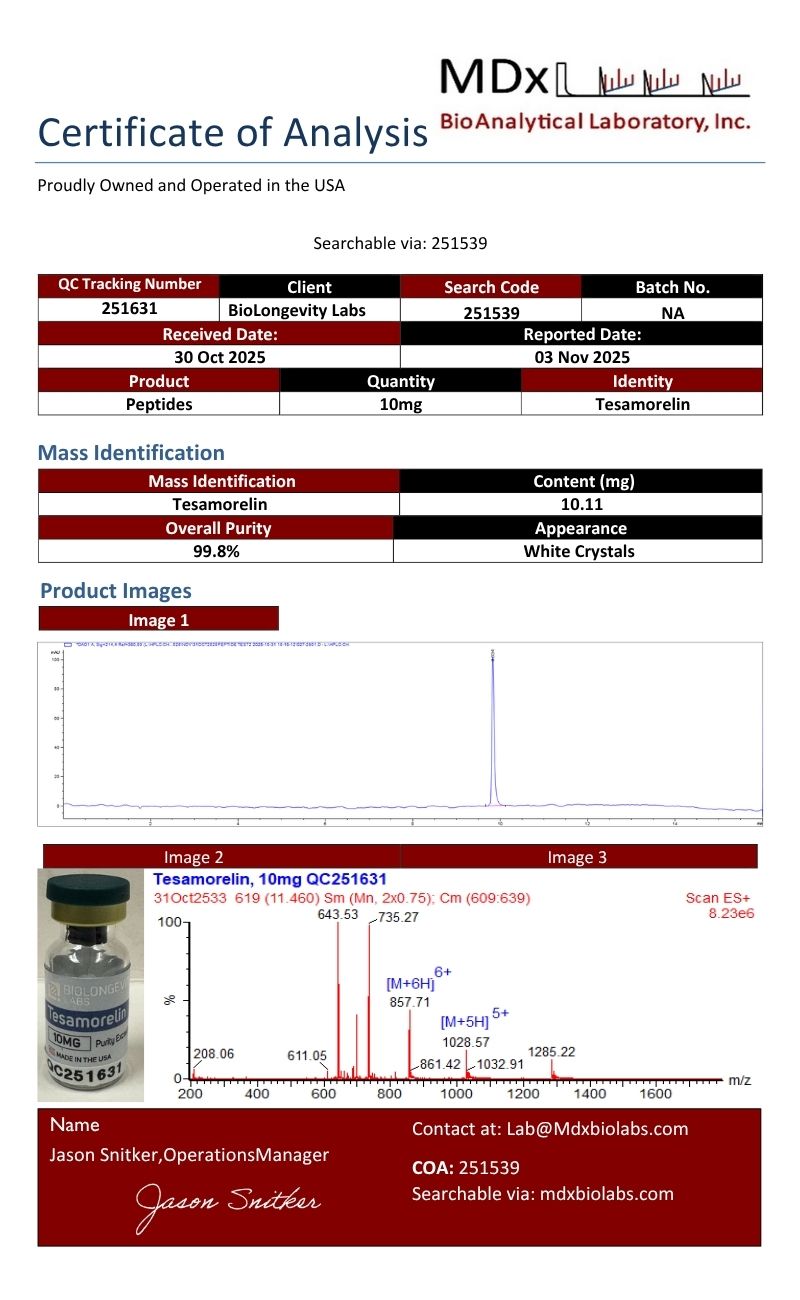
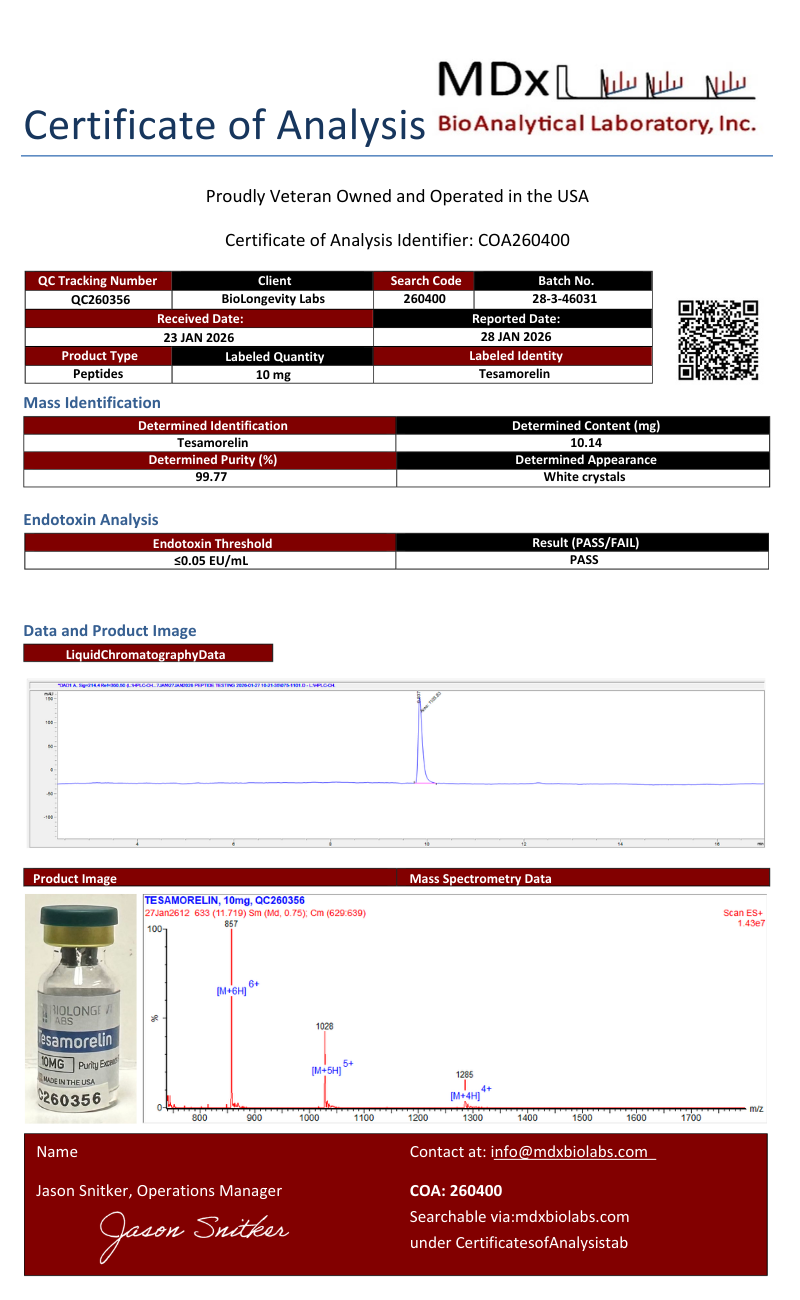
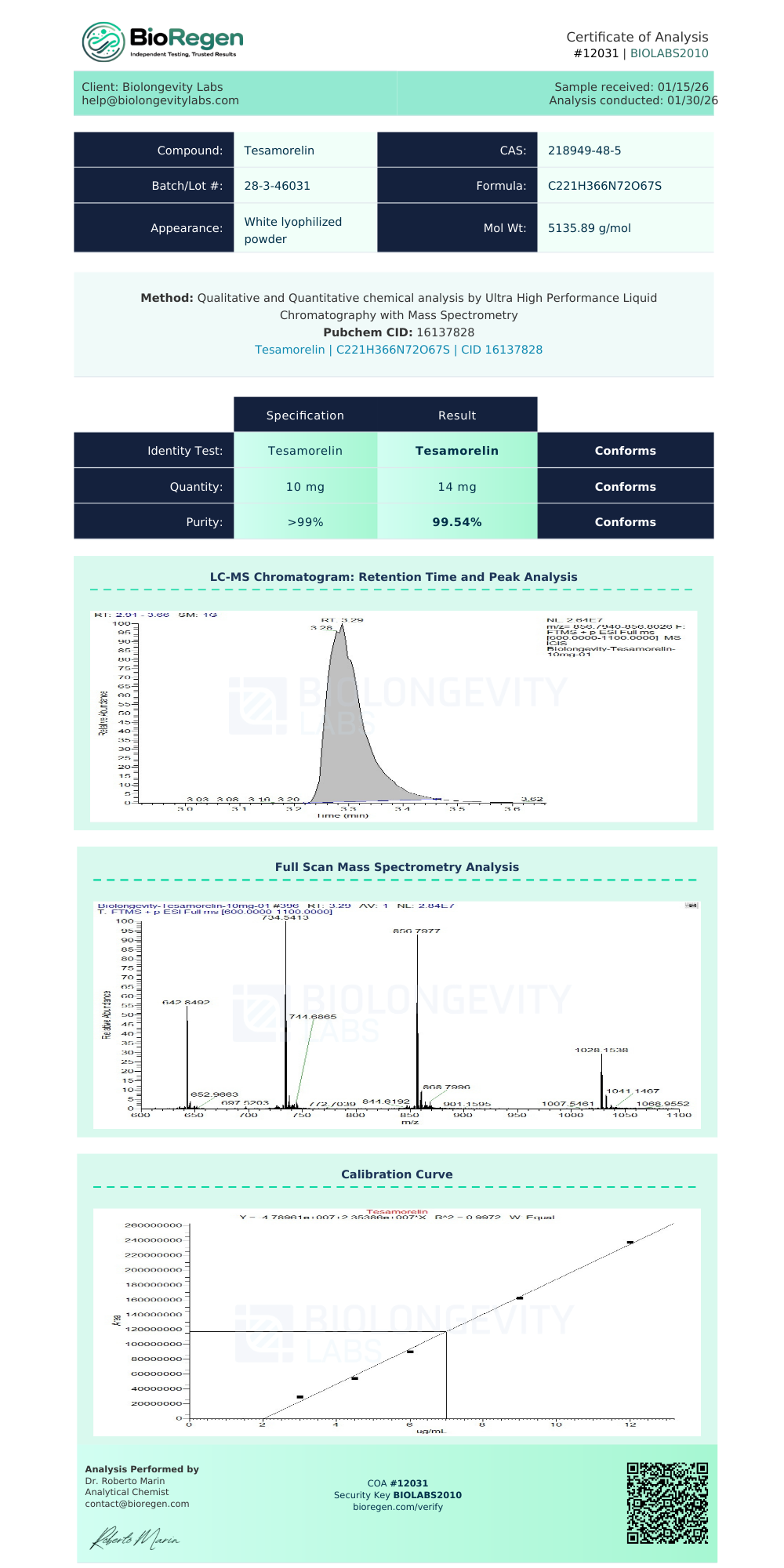
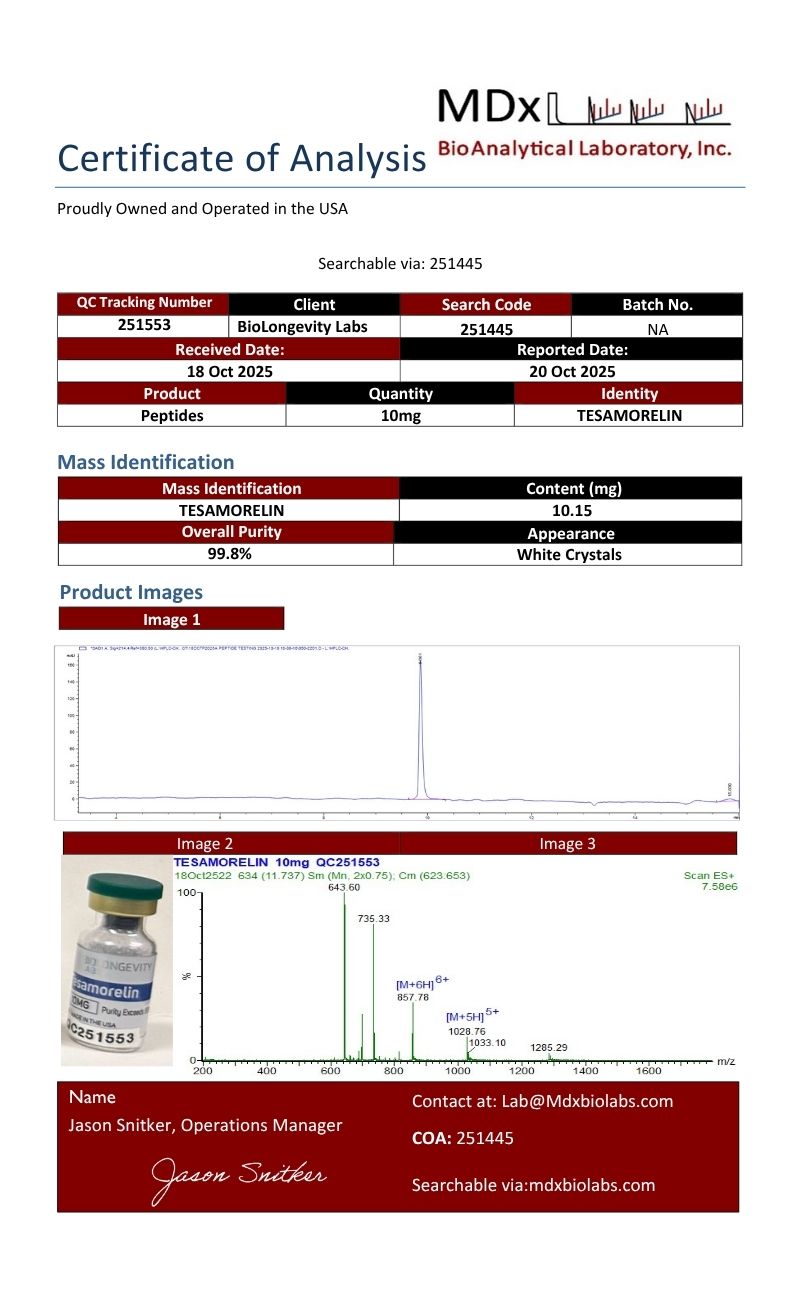
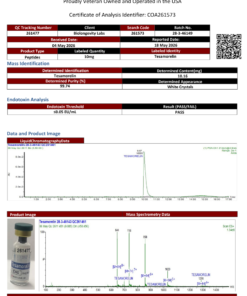
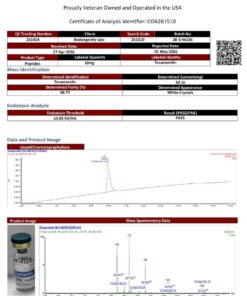
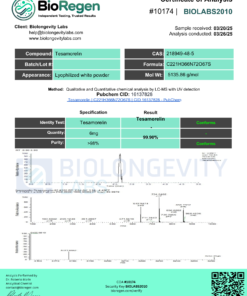
Each batch is synthesized in a USA-registered GMP facility and characterized by HPLC and LC-MS. A batch-specific Certificate of Analysis is available before purchase.
Compound Specifications
| Property | Value |
|---|---|
| CAS Number | 901758-09-6 (acetate) |
| PubChem CID | 44147413 |
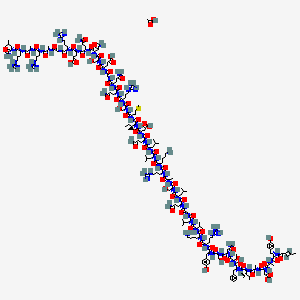
| Molecular Formula | C₂₂₃H₃₇₀N₇₂O₆₉S |
| Molecular Weight | 5196 g/mol |
| UNII | LGW5H38VE3 |
| Amino Acid Sequence | YADAIFTNSYRKVLGQLSARKLLQDIMSRQQGESNQERGARARL |
| Sequence (3-letter) | Tyr-Ala-Asp-Ala-Ile-Phe-Thr-Asn-Ser-Tyr-Arg-Lys-Val-Leu-Gly-Gln-Leu-Ser-Ala-Arg-Lys-Leu-Leu-Gln-Asp-Ile-Met-Ser-Arg-Gln-Gln-Gly-Glu-Ser-Asn-Gln-Glu-Arg-Gly-Ala-Arg-Ala-Arg-Leu |
| Sequence Length | 44 residues |
| N-Terminal Modification | trans-3-hexenoic acid |
| Counterion / Salt Form | Acetate |
| Source | Synthetic |
| Purity | ≥99% (HPLC) |
| Appearance | Lyophilized white powder |
| Solubility | Soluble in water; sterile aqueous solution after reconstitution |
| Storage | -20°C, protect from light |
Storage and Handling
- Store the lyophilized compound at -20°C, protected from light.
- After reconstitution, store at 2°C to 8°C and use promptly.
- Maintain aseptic handling to preserve compound integrity.
Lyophilized Format
This compound ships in lyophilized (freeze-dried) form. Freeze-drying supports long-term storage stability and preserves compound integrity. No fillers are added.
Research Use Disclaimer
Tesamorelin is supplied for research use only. It is not a drug, food, cosmetic, or dietary supplement, has not been evaluated by the FDA, and is for research use only. By purchasing, the buyer confirms the compound will be used solely for in vitro research.
Tesamorelin Research
Tesamorelin is a stabilized analog of growth hormone-releasing hormone. The trans-3-hexenoic acid group at the N-terminus of its 44-residue sequence lengthens serum persistence relative to native GHRH. In research models the compound binds pituitary GHRH receptors and is associated with pulsatile release of growth hormone, with downstream changes in insulin-like growth factor-1 (IGF-1) and IGF binding protein-3 [1]. A broader overview of the compound sits in the Tesamorelin research guide.
In adult study populations, reductions in visceral adipose tissue have been reported alongside changes in triglyceride levels and preservation of glucose homeostasis, characterized through combined anabolic and lipolytic dynamics [2].
Beyond adipose quantity, research has examined the compound’s influence on tissue-level gene expression and composition.
Hepatic Gene-Pathway Signatures
A gene-set analysis of paired liver specimens reported increased expression of gene sets involved in oxidative phosphorylation and decreased expression of gene sets linked to inflammation, tissue repair, and cell division. These shifts correlated with a fibrosis-related gene score in the same analysis [3].
Separate analyses looked at fat quality and skeletal muscle. Adipose tissue density increased independent of changes in fat quantity [4], and truncal muscle density and area increased among study populations with reduced visceral adipose tissue [5]. A 2026 meta-analysis of randomized trials aggregated changes in body composition, hepatic fat fraction, and IGF-1 across adult study populations [6].
| Research Area | In Vitro Application |
|---|---|
| GHRH receptor signaling | Assays of pituitary GHRH receptor binding and cAMP response in cell models |
| Growth hormone / IGF-1 axis | Model systems examining growth hormone pulsatility and downstream IGF-1 signaling |
| Adipose tissue metabolism | Cell-model study of lipolytic pathways and adipocyte lipid handling |
| Hepatic lipid pathways | Gene-expression analysis of oxidative phosphorylation and lipid-metabolism gene sets |
| Peptide characterization | Analytical study of a lipid-modified GHRH analog by HPLC and LC-MS |
Certificate of Analysis (COA) for Every Batch
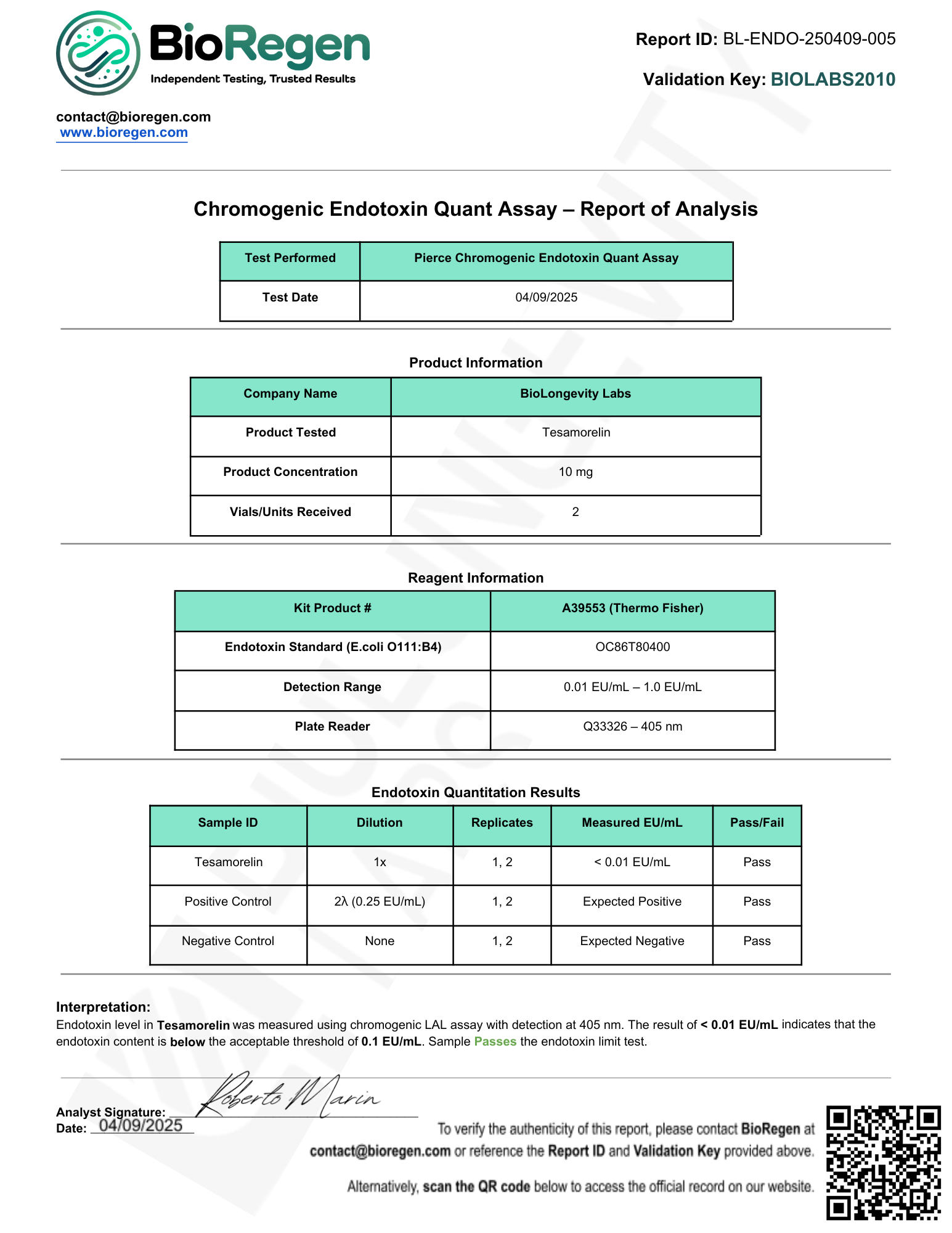
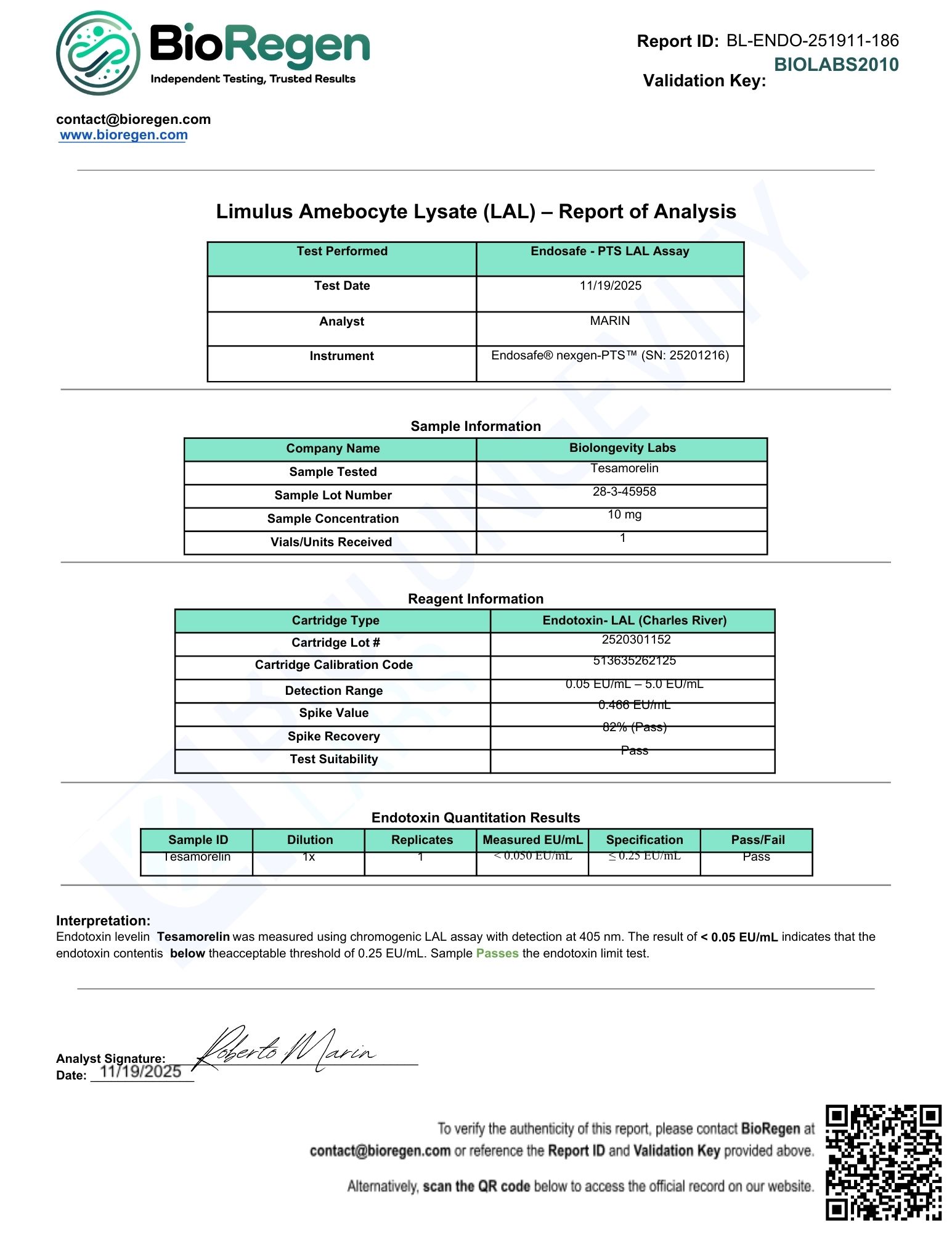
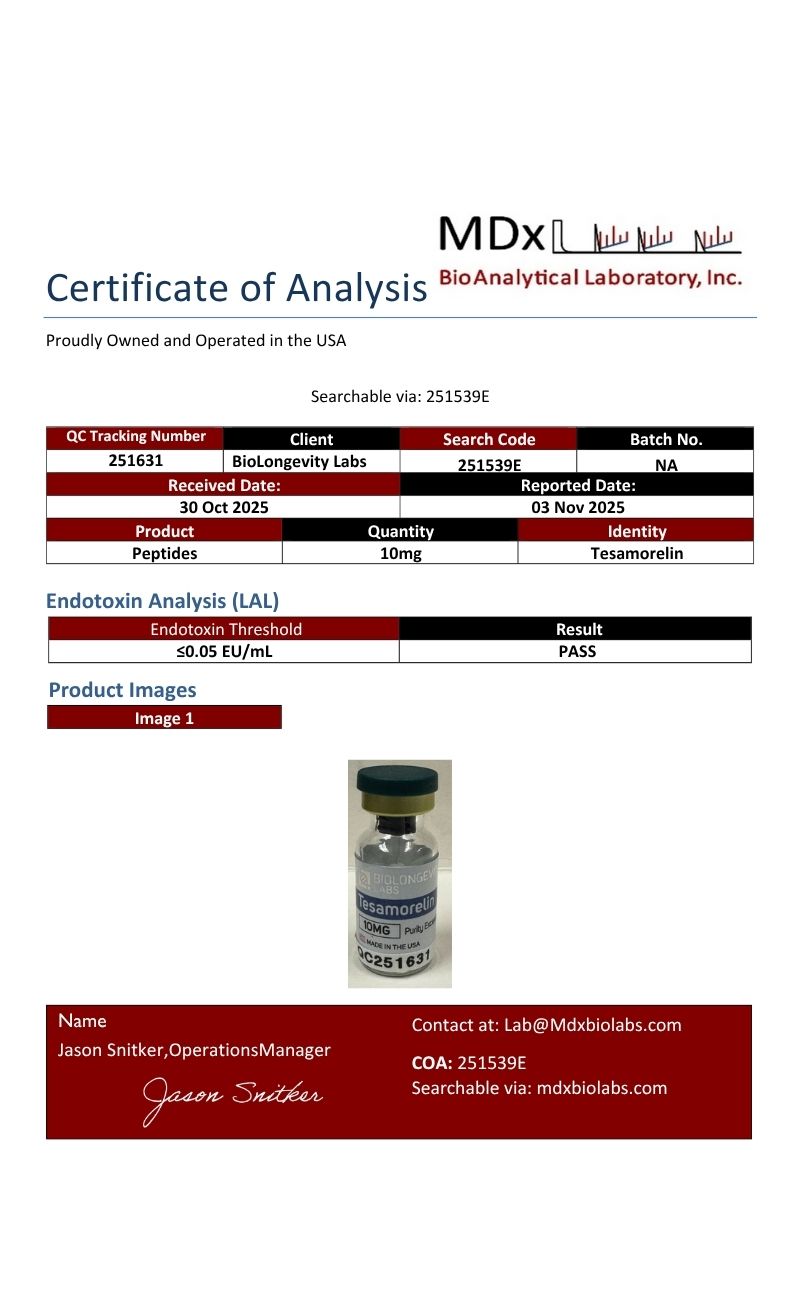
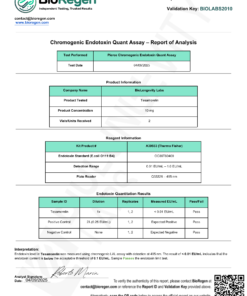
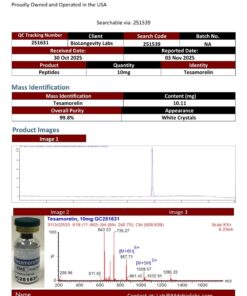
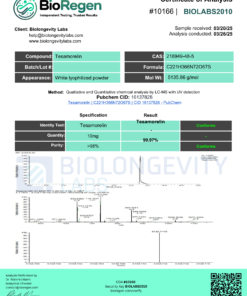
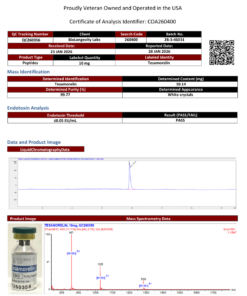
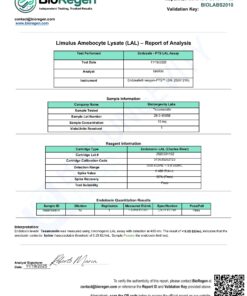
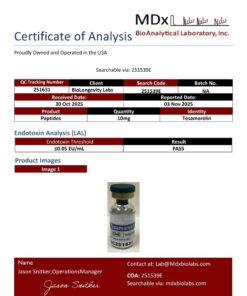
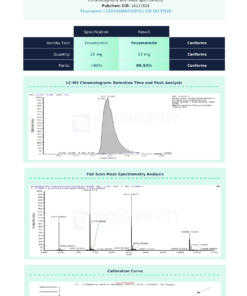
A Certificate of Analysis (COA) is a document that verifies a compound’s identity, purity, and batch quality through independent laboratory testing. Every compound from BioLongevity Labs ships with a COA tied to its specific batch, so researchers can confirm exactly what they received before it enters a protocol.
Each COA reports results from third-party laboratory analysis, including:
- High-performance liquid chromatography (HPLC) for purity, typically confirmed at 99% or higher
- Liquid chromatography mass spectrometry (LC-MS) for molecular identity and mass confirmation
- Sterility and endotoxin screening where applicable
- Chemical contaminant and residual solvent checks
COAs are sourced from independent certified labs rather than in-house testing alone, giving researchers a verifiable record of molecular integrity for each batch. All compounds are supplied for research use only.


Reviews
There are no reviews yet.