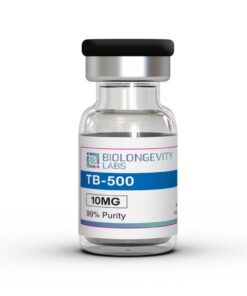
TB-500 (10mg) For Sale
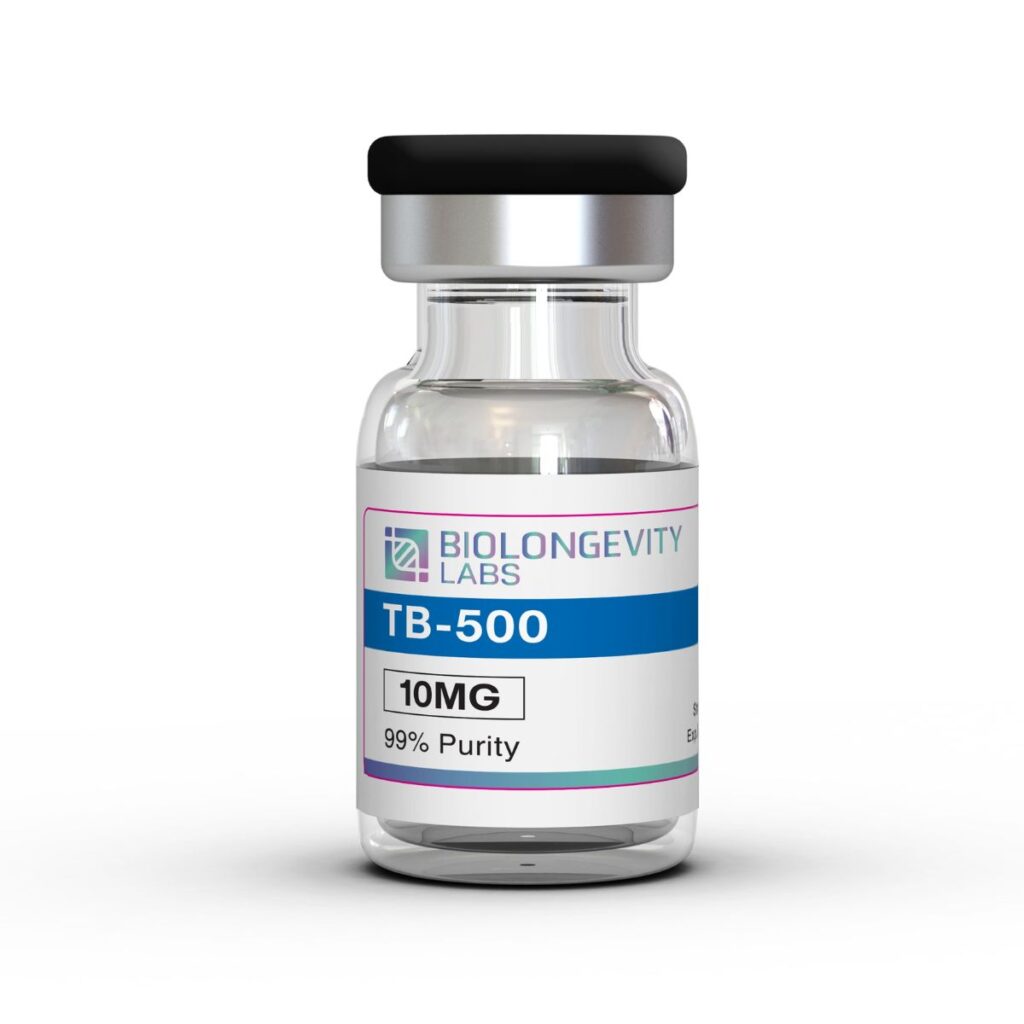
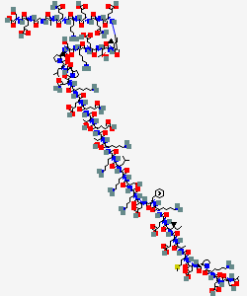
TB-500 is a synthetic peptide derived from the active site of naturally occurring peptide thymosin beta-4 (Tβ4), specifically the sequence LKKTETQ, with an artificial acetylation at the N-terminus.
TB-500 Description
TB-500 is a synthetic version of Thymosin Beta-4, a naturally occurring 43 amino acid peptide found in virtually all mammalian cells. Thymosin Beta-4 acts as a multifunctional regulatory peptide comprising distinct bioactive regions within its structure: the N-terminal tetrapeptide (Ac-SDKP) mediates anti-inflammatory and antifibrotic activities, amino acids 1-15 inhibit apoptosis and promote cell survival, while the central actin-binding domain (amino acids 17-23, containing LKKTET) drives angiogenesis, cell migration, and wound healing.
Peptide Information
| Property | Value |
|---|---|
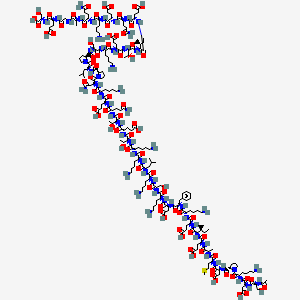
| Peptide Sequence | Ac-Ser-Asp-Lys-Pro-Asp-Met-Ala-Glu-Ile-Glu-Lys-Phe-Asp-Lys-Ser-Lys-Leu-Lys-Lys-Thr-Glu-Thr-Gln-Glu-Lys-Asn-Pro-Leu-Pro-Ser-Lys-Glu-Thr-Ile-Glu-Gln-Glu-Lys-Gln-Ala-Gly-Glu-Ser |
| Molecular Formula | C212H350N56O78S |
| Molecular Weight | 4963 g/mol |
| CAS Number | 77591-33-4 |
| PubChem CID | 16132341 |
| Synonyms | Thymosin beta4, 77591-33-4, Thymosin beta4 Acetate, Timbetasin, Thymosin beta(4) |
Lyophilized Peptides:
These peptides are freeze-dried, a process that not only extends shelf life but also preserves the purity and integrity of the peptides during storage. We do not use any fillers in this process.
TB-500 Peptide Research
Thymosin Beta-4 is a versatile peptide with applications across various therapeutic areas, including liver disease, ocular health, tissue repair, cardiovascular health, and anti-aging. Its ability to promote cell survival, reduce inflammation, and enhance tissue regeneration makes it a promising candidate for future research applications.
Tissue Repair and Regeneration
Tβ4 is involved in several biological processes that contribute to tissue repair and regeneration. It promotes cell migration, blood vessel formation, cell survival, and stem cell maturation, which are crucial for wound healing and tissue regeneration1. It also demonstrates anti-inflammatory properties, downregulating inflammatory chemokines and cytokines, and resolving inflammation through autophagy2.
Tβ4 has shown promising results in cardiac tissue repair, particularly following myocardial infarction. It activates resident epicardial progenitor cells, promotes cardiomyocyte survival, and enhances cardiac function by improving coronary neovascularization and modulating inflammation3.
In the CNS, Tβ4 regulates neurogenesis and promotes the repair of nerve tissues by supporting angiogenesis, wound healing, and stem cell differentiation. It also has anti-apoptotic and anti-inflammatory effects, which are beneficial in treating traumatic and neurological brain injuries4.
Tβ4’s regenerative properties extend to other organs, including the kidney, liver, and intestines, where it aids in tissue preservation and repair5.
Cardiovascular Applications
In cardiovascular research, Tβ4 has been shown to enhance the therapeutic efficacy of stem cells in ischemic conditions. It promotes angiogenesis and cell migration, which are crucial for repairing ischemic tissues.
Studies have demonstrated improved blood flow and reduced tissue loss in ischemic hindlimb models when Tβ4 is used in combination with stem cell therapy6.
Anti-Aging and Regenerative Therapies
Tβ4 is also being investigated for its potential in anti-aging therapies. It has been shown to promote cardiac cell survival and improve heart function after injury. The peptide’s ability to reactivate embryonic programs and enhance vascularization suggests it could play a role in reversing aging processes and promoting organ regeneration7.
Liver Disease and Ferroptosis
Thymosin Beta-4 has shown promise in treating non-alcoholic fatty liver disease (NAFLD) by inhibiting ferroptosis, a type of cell death. In a study using a rat model, Tβ4 improved liver inflammation and lipid metabolism, increased antioxidant levels, and reduced reactive oxygen species accumulation8.
This suggests that Tβ4 could be a novel strategy for NAFLD treatment by targeting the GPX4-mediated ferroptosis pathway.
Ocular Health and Bacterial Keratitis
Tβ4 is being explored as an adjunct treatment for bacterial keratitis, a severe corneal infection. It has been shown to reduce inflammation and promote wound healing in the cornea, enhancing the efficacy of antibiotics like ciprofloxacin9.
This dual action of reducing inflammation and promoting healing makes Tβ4 a potential therapeutic agent for improving outcomes in microbial keratitis.
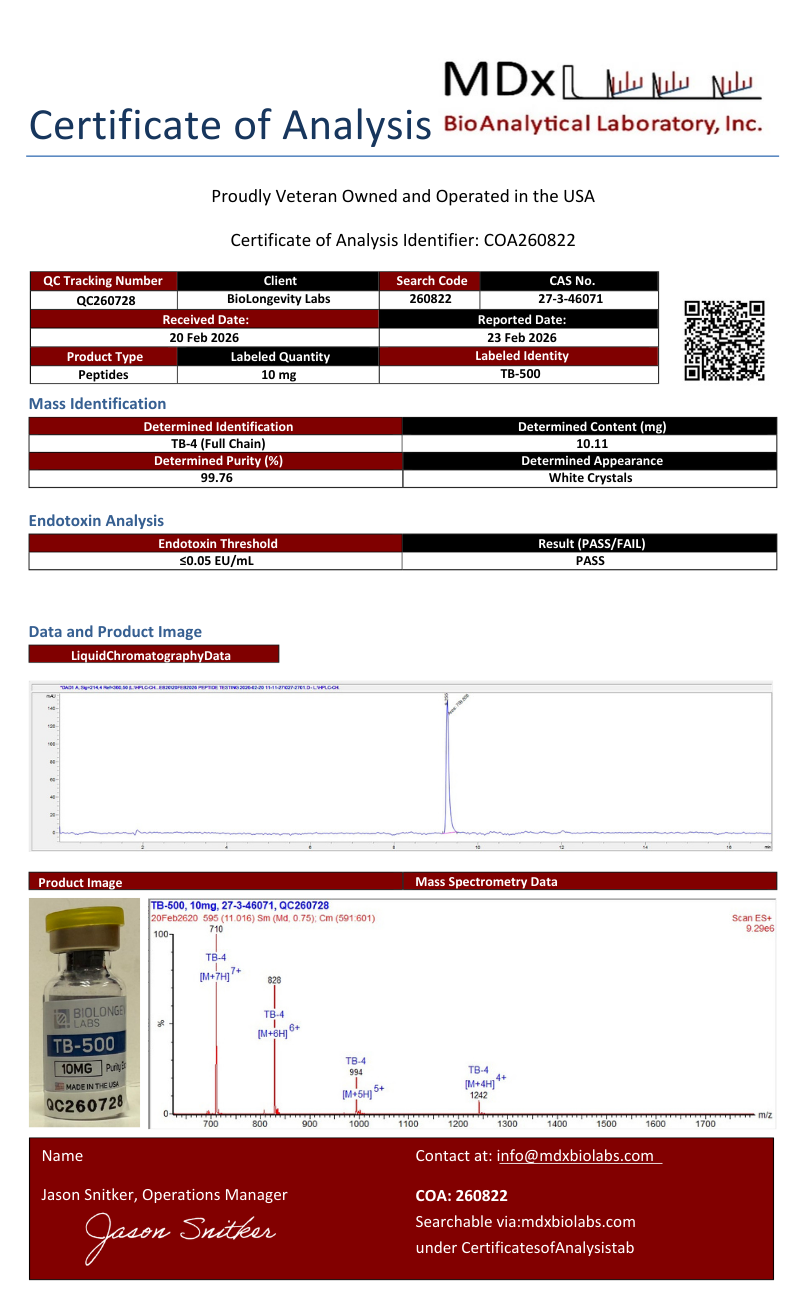
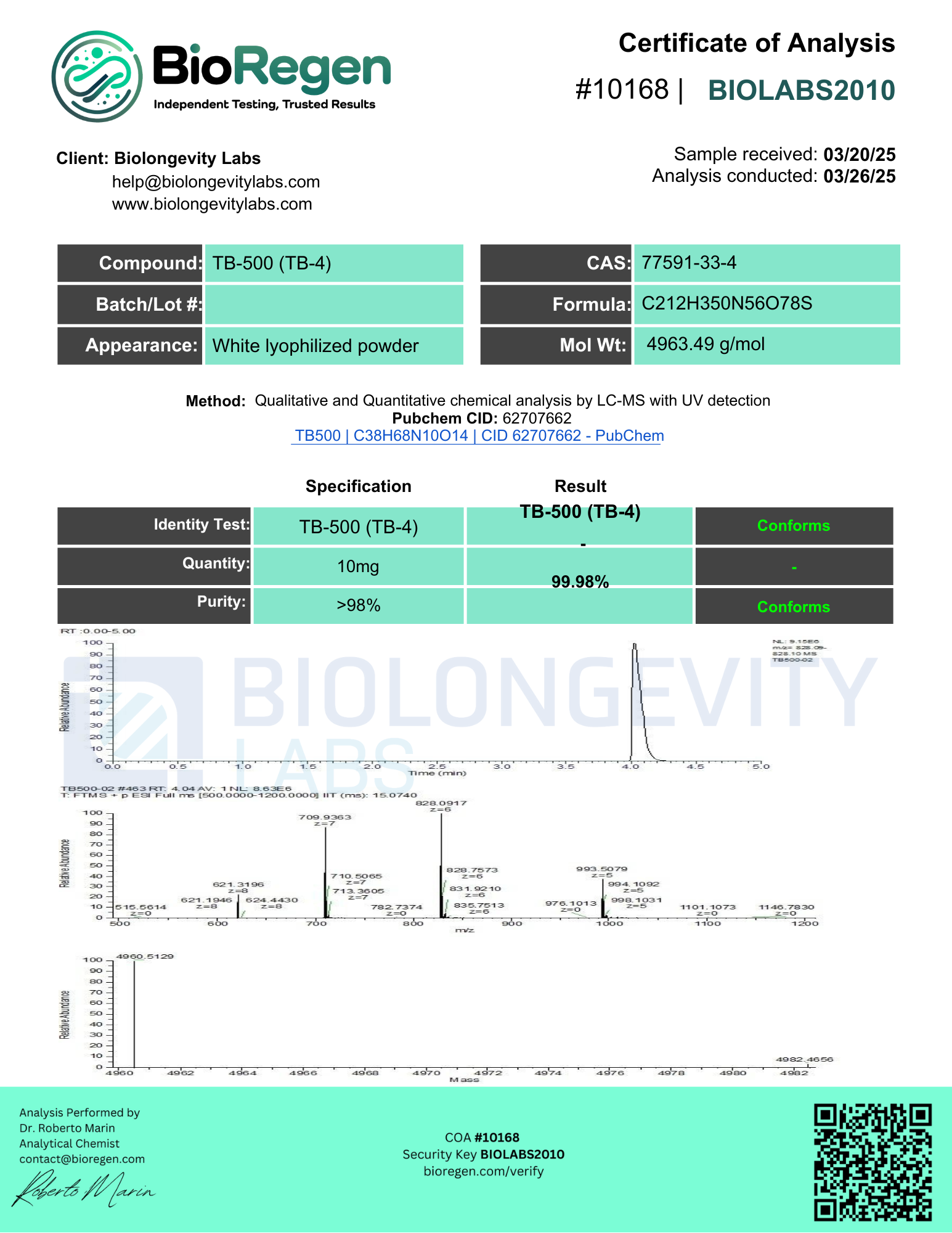
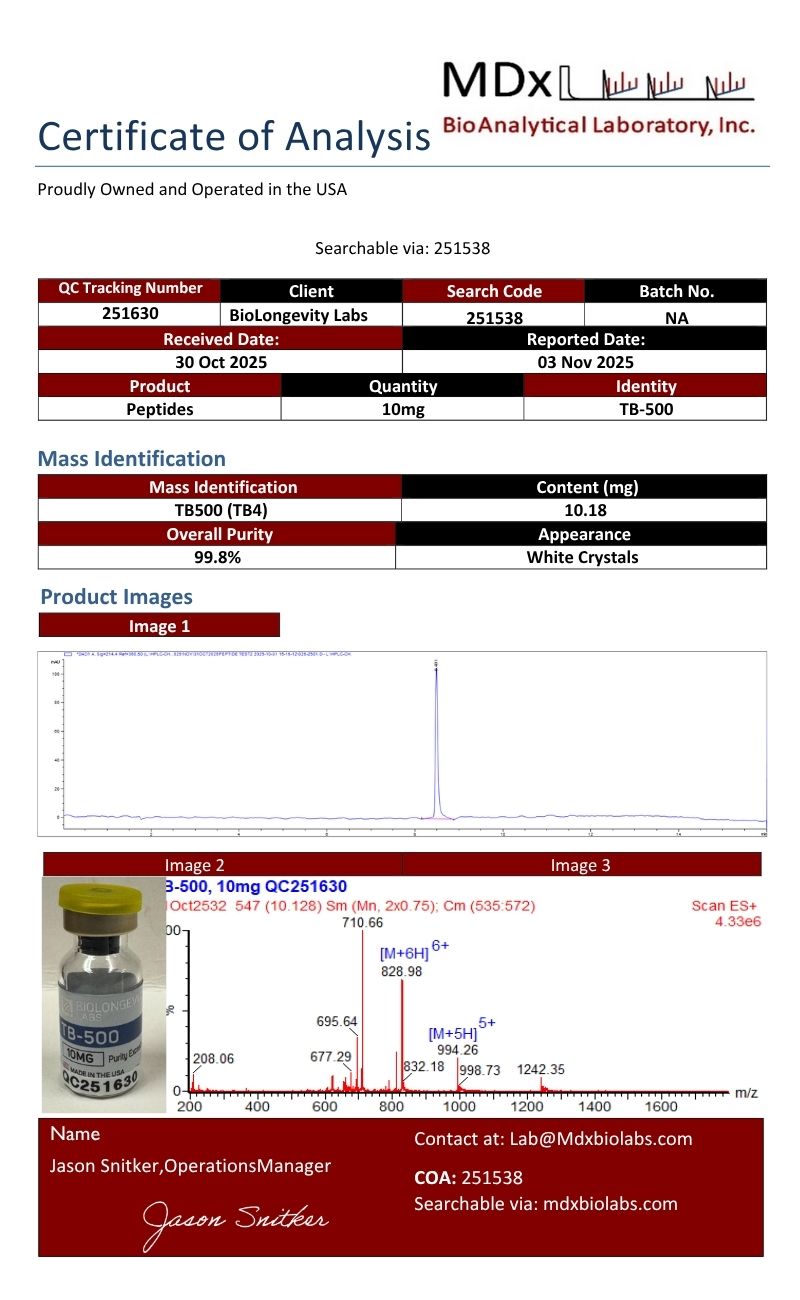
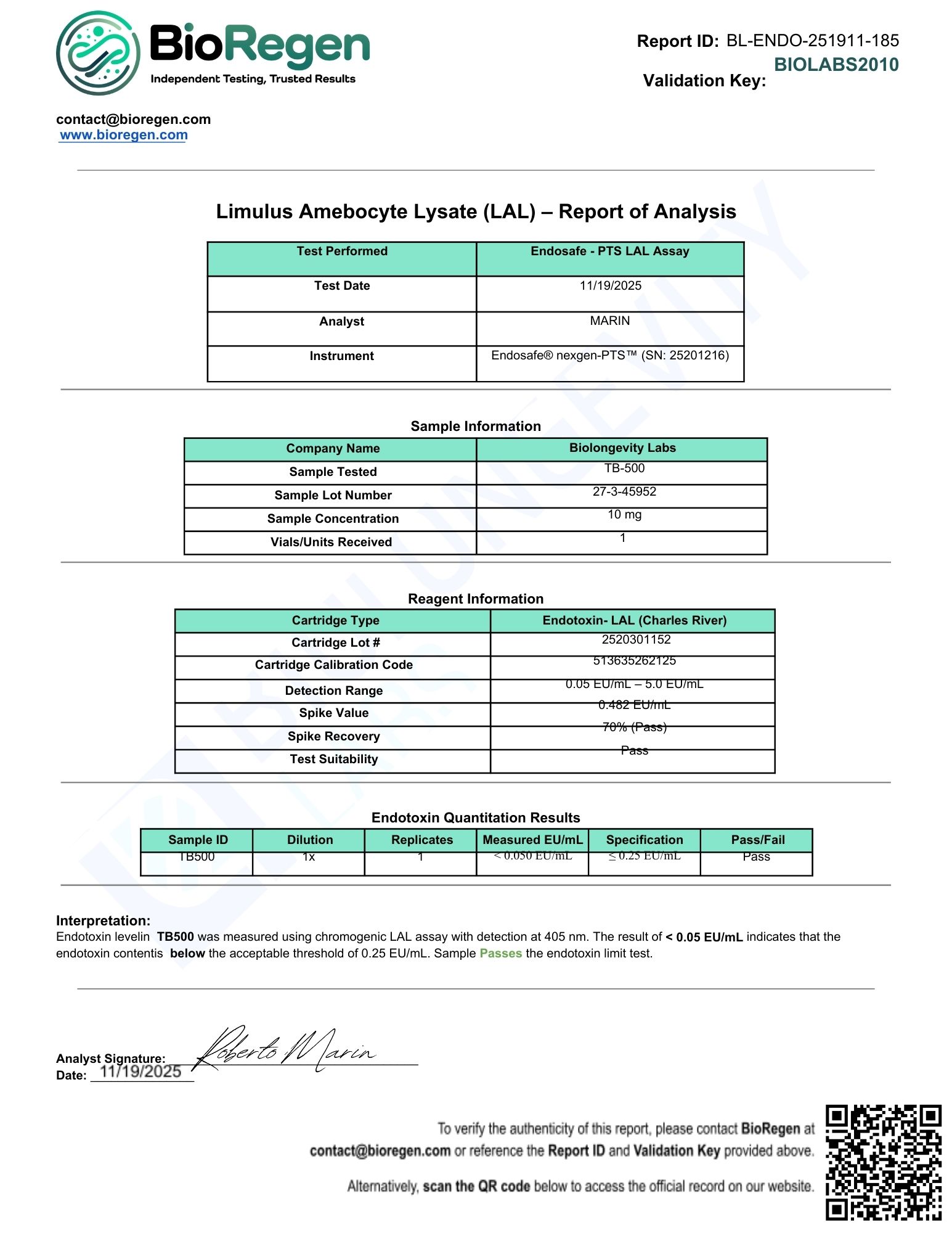
Certificate of Analysis (COA) for Every Batch
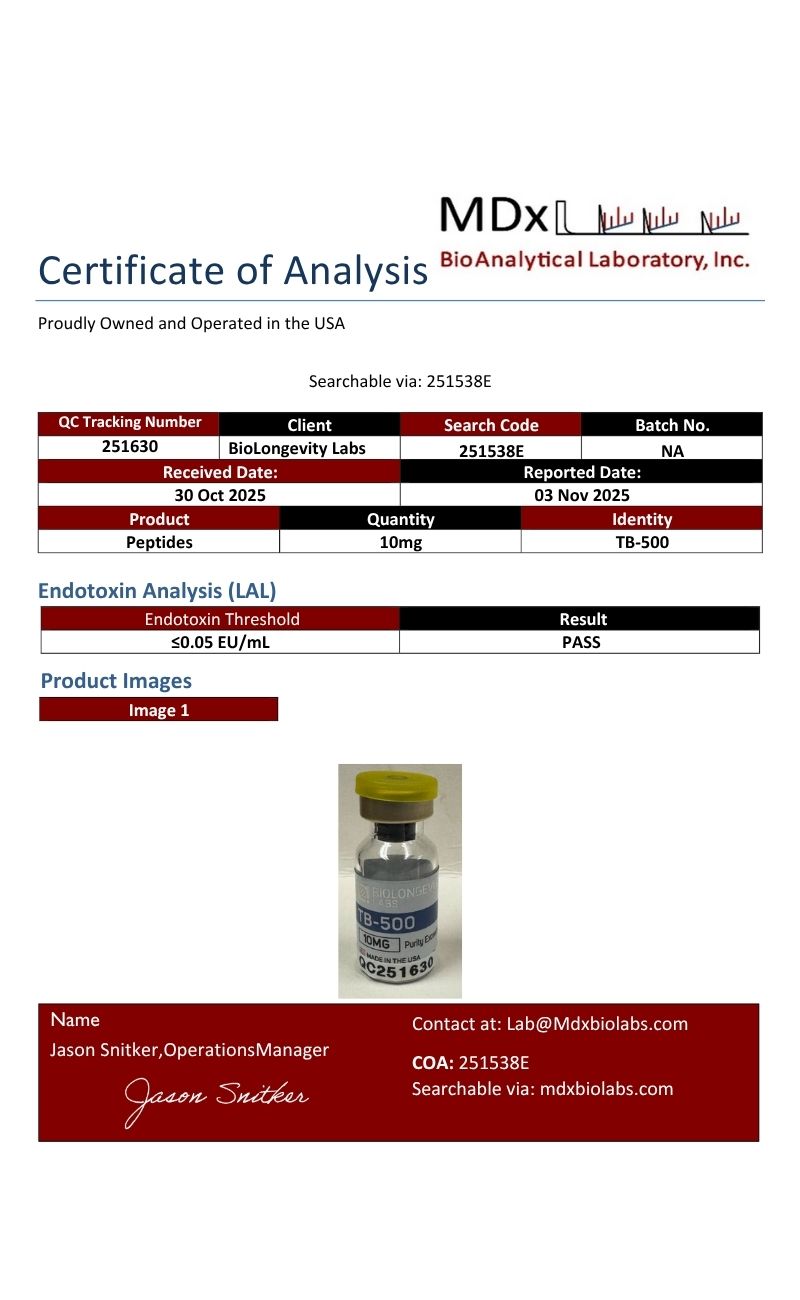
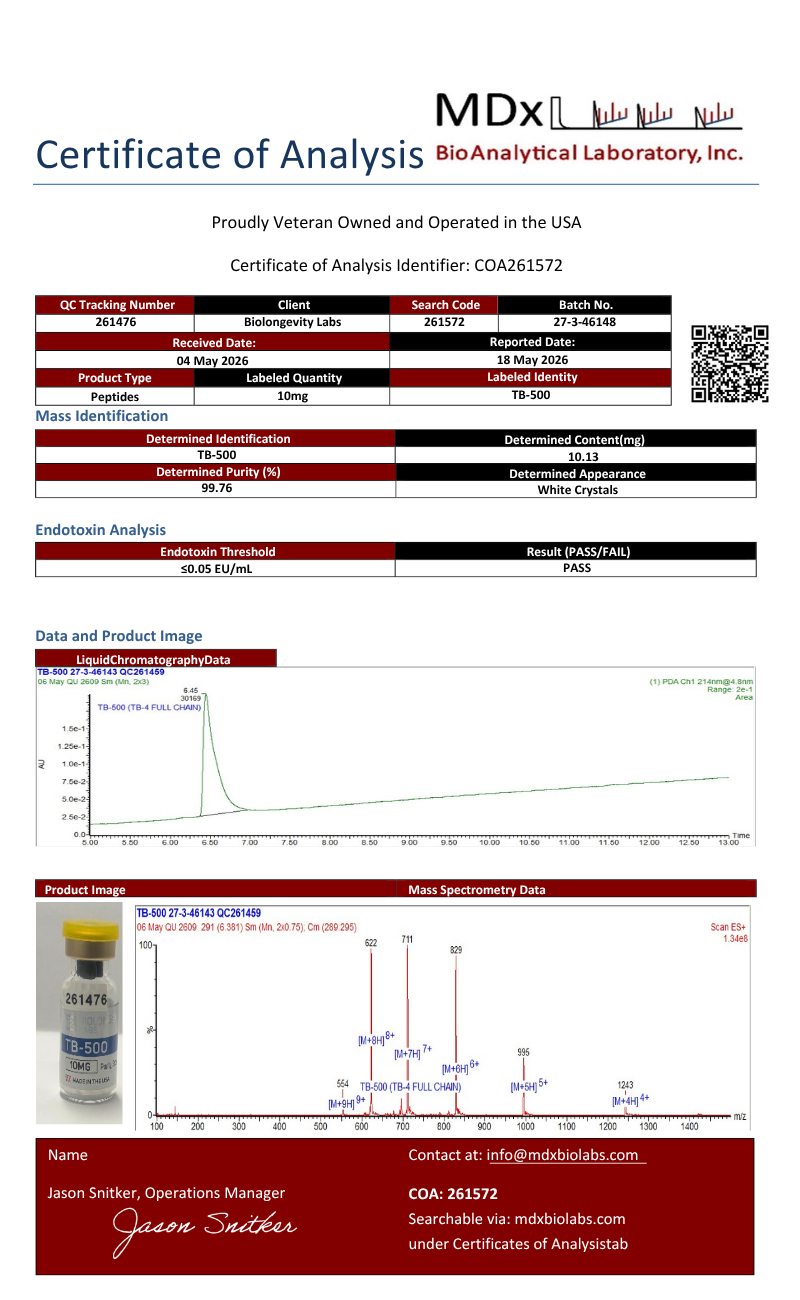
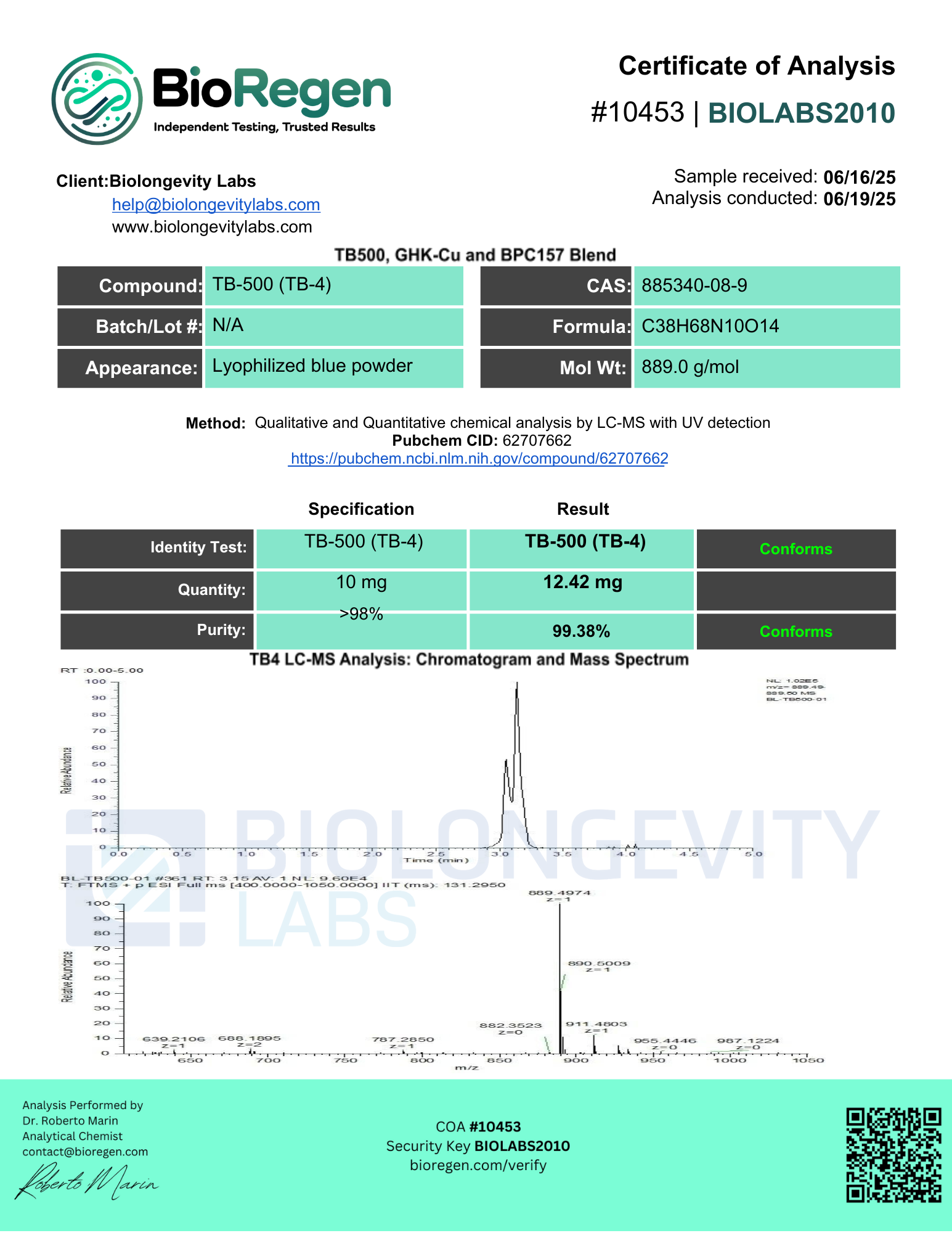
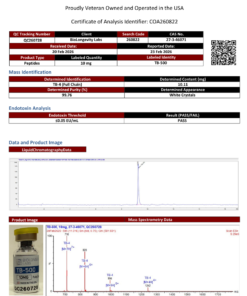
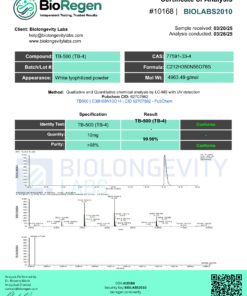
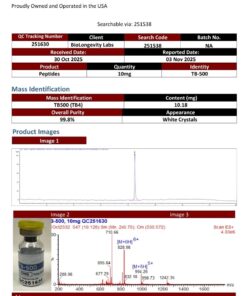
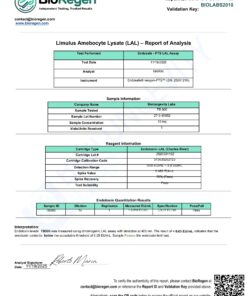
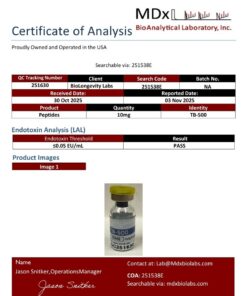
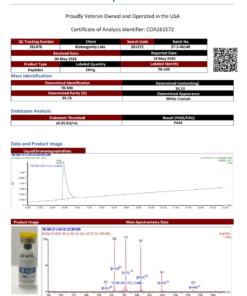
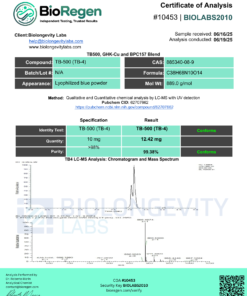
A Certificate of Analysis (COA) is a document that verifies a compound’s identity, purity, and batch quality through independent laboratory testing. Every compound from BioLongevity Labs ships with a COA tied to its specific batch, so researchers can confirm exactly what they received before it enters a protocol.
Each COA reports results from third-party laboratory analysis, including:
- High-performance liquid chromatography (HPLC) for purity, typically confirmed at 99% or higher
- Liquid chromatography mass spectrometry (LC-MS) for molecular identity and mass confirmation
- Sterility and endotoxin screening where applicable
- Chemical contaminant and residual solvent checks
COAs are sourced from independent certified labs rather than in-house testing alone, giving researchers a verifiable record of molecular integrity for each batch. All compounds are supplied for research use only.


Reviews
There are no reviews yet.