
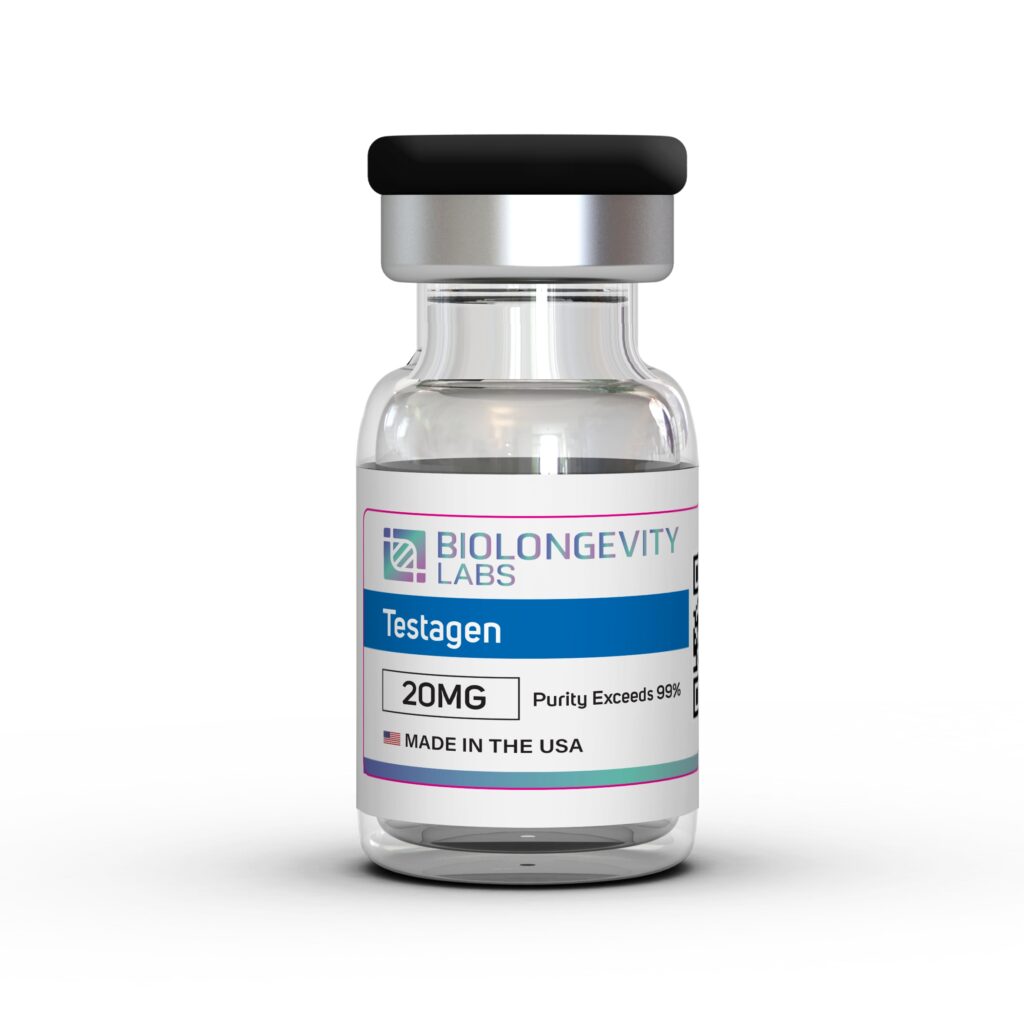
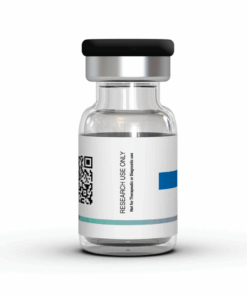

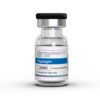
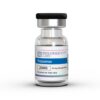
Testagen Research
Scientific investigations into Testagen (KEDG) reveal multiple mechanisms of action across cellular transport, endocrine regulation, and gene expression pathways. Laboratory studies confirm the peptide’s ability to penetrate cellular membranes and interact directly with DNA, supporting its classification as a bioregulatory peptide with tissue-specific effects.
Cellular Transport and Bioavailability
Testagen shows high binding affinity to LAT1, LAT2, and PEPT1 transporters, which handle cellular uptake of amino acids and small peptides. The peptide’s structural design, with negatively charged residues at the N-terminus and neutral residues at the C-terminus, makes it one of the most effective transporter ligands among ultrashort peptides[1].
Molecular modeling confirms that these transporter binding sites accommodate KEDG transport efficiently. This cellular uptake mechanism may contribute to the peptide’s ability to inhibit amino acid transporters commonly overexpressed in cancer cell models.
Endocrine and Thyroid Function Research
Studies in hypophysectomized chicken models show that KEDG prevents thyroid gland atrophy and normalizes tissue morphology. The peptide counteracts pathological changes including enlarged follicles, colloid accumulation, and altered thyrocyte structure that typically occur after hypophysectomy[2].
KEDG functions through interaction with the hypothalamic-pituitary-thyroid axis as a hypophyseal-derived regulatory molecule. This mechanism maintains thyroid structural integrity through direct tissue-specific effects rather than traditional feedback pathways[3].
Nuclear Interaction and Gene Expression
Research shows that fluorescence-labeled short peptides penetrate cell nuclei and interact specifically with DNA structures. KEDG’s amino acid sequence and charge distribution may support nuclear localization and subsequent DNA binding activities[4].
The related KEDW peptide (differing by one amino acid) binds along DNA’s major groove and regulates expression of differentiation factors including PDX1, NGN3, PAX6, and FOXA2 in pancreatic cell models. Physical studies using UV-visible absorption and circular dichroism confirm stable DNA-peptide complex formation[5].
Cellular Differentiation Research
Short peptides play important roles in biological information transmission during cell differentiation processes. The KED component (closely related to KEDG) increases Nestin expression, a neurofilament protein found in early neuronal precursors, when applied to human periodontal ligament stem cells[6].
This differentiation-promoting activity suggests KEDG may work through epigenetic mechanisms that influence gene expression patterns directing stem cell fate decisions. The peptide’s ability to enhance neuronal differentiation markers indicates potential applications in tissue engineering research targeting neural repair.
Immune System Studies
KEDG treatment normalizes immune parameters in neonatally hypophysectomized chicken models where immune dysfunction develops following hypophyseal removal. The immunoregulatory effects are particularly pronounced in young animals compared to mature subjects[2].
The immune restoration mechanism involves direct interaction with immune system components rather than indirect hormonal modulation. This suggests specific binding sites on immune cells that respond to the tetrapeptide structure.
Age-Related Response Patterns
Research reveals age-dependent response patterns, with stronger therapeutic benefits in younger organisms. Neonatal hypophysectomized subjects show more pronounced corrective effects on thyroid morphology and immune function compared to one-year-old subjects[7].
This age-related efficacy pattern indicates that KEDG may work through developmental regulatory pathways that remain more responsive in younger biological systems.
Certificate of Analysis (COA) for Every Batch
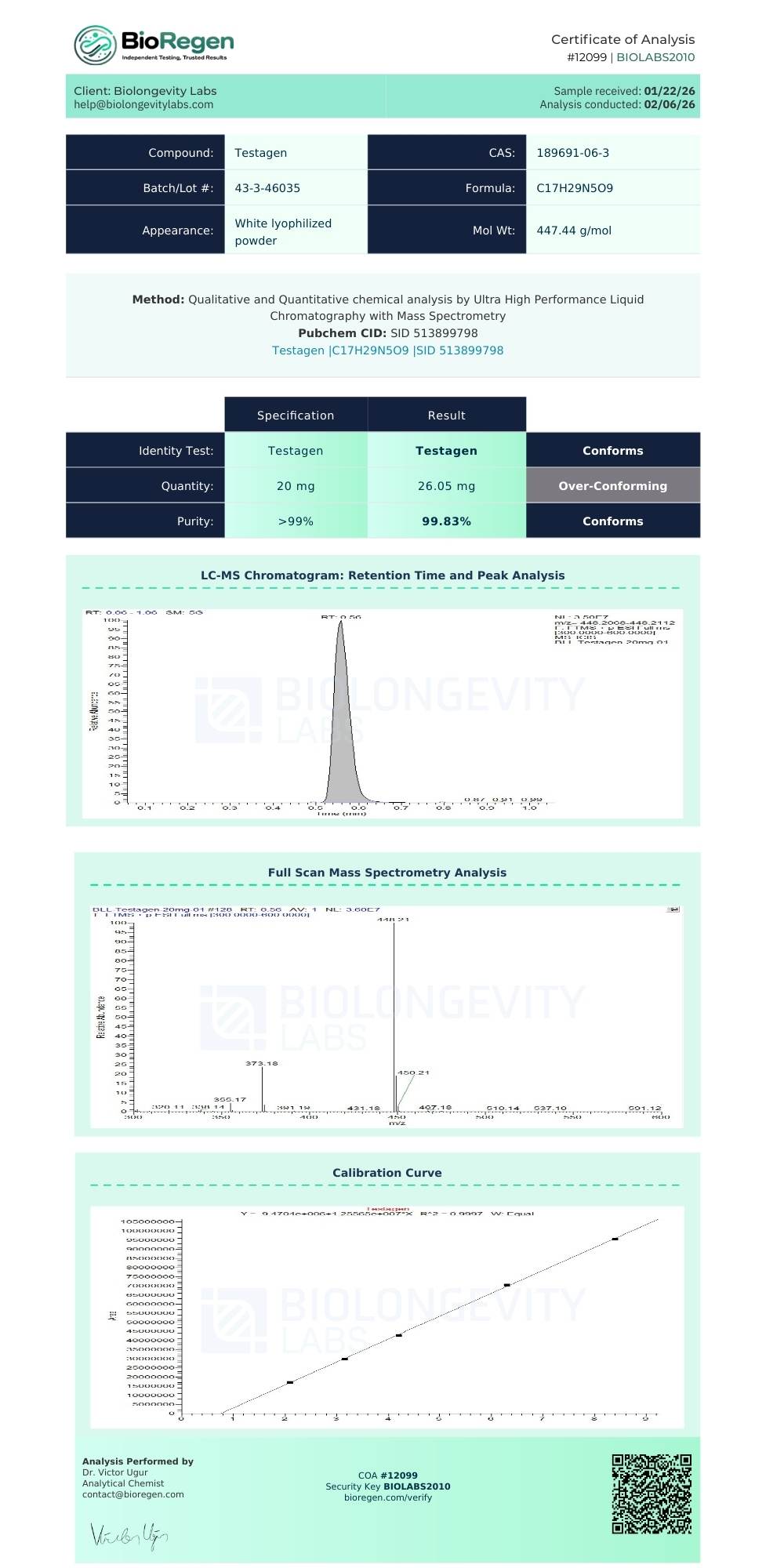
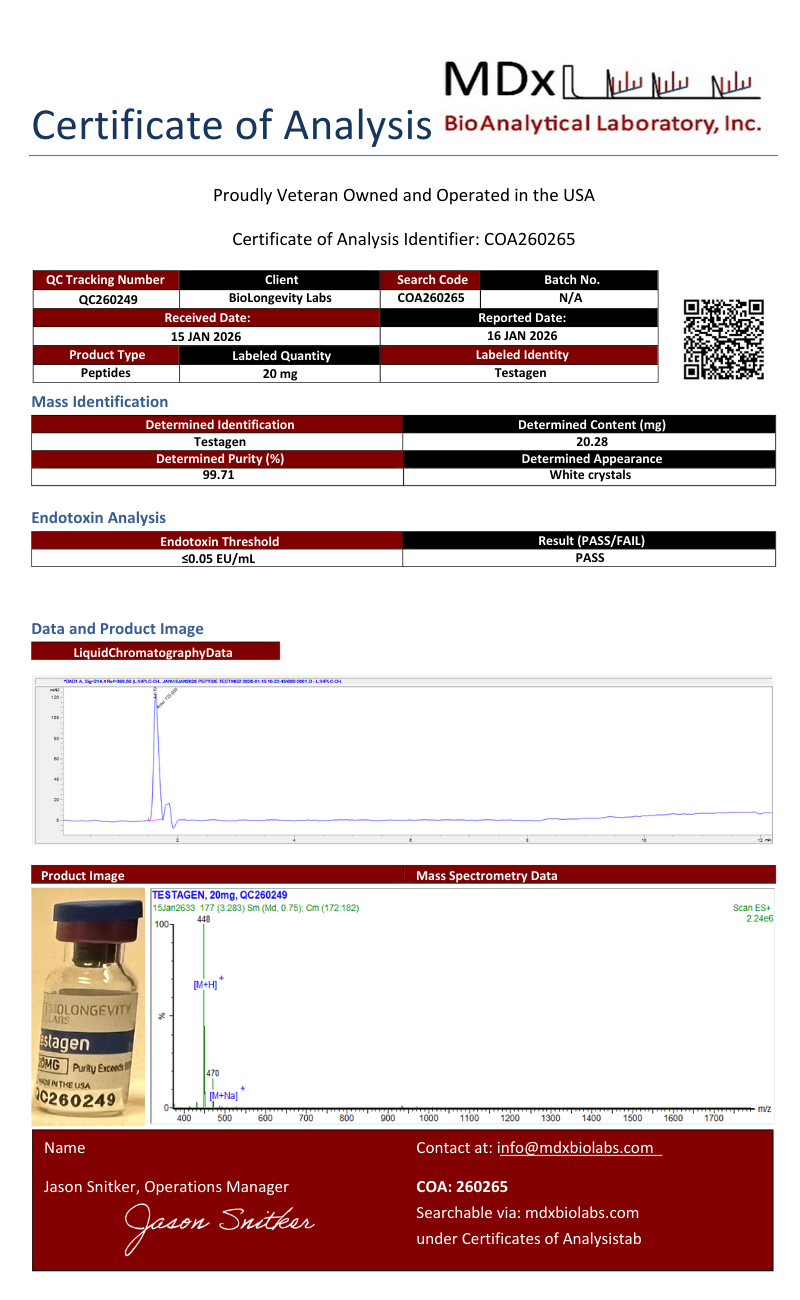
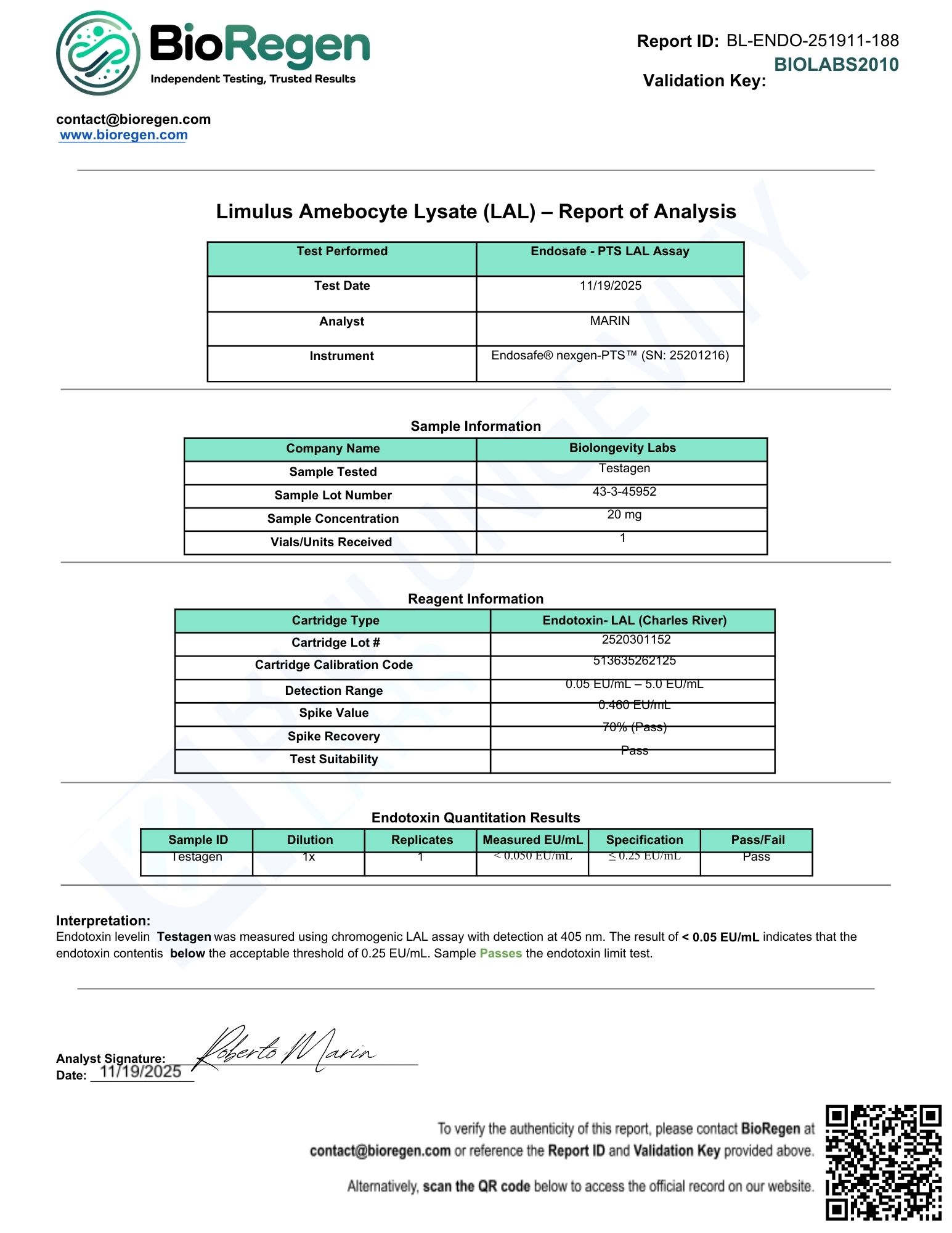
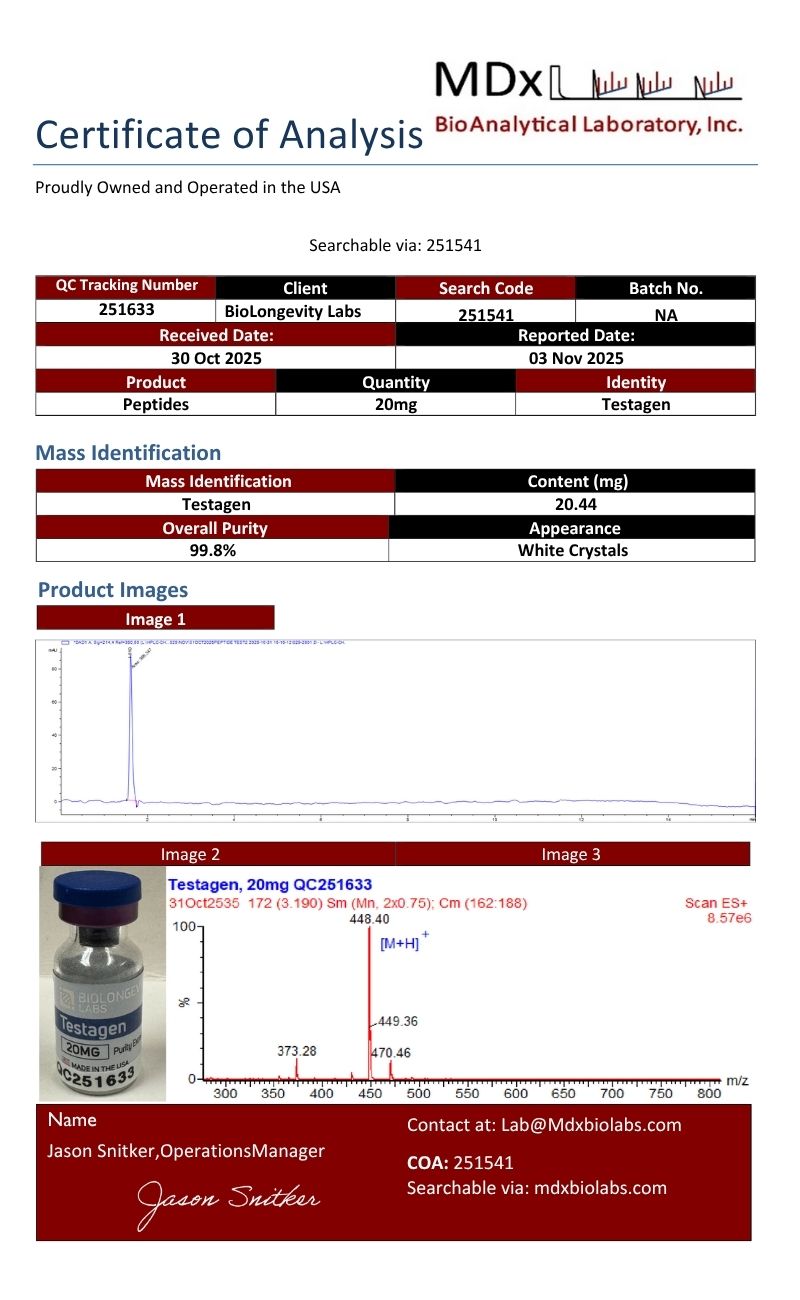
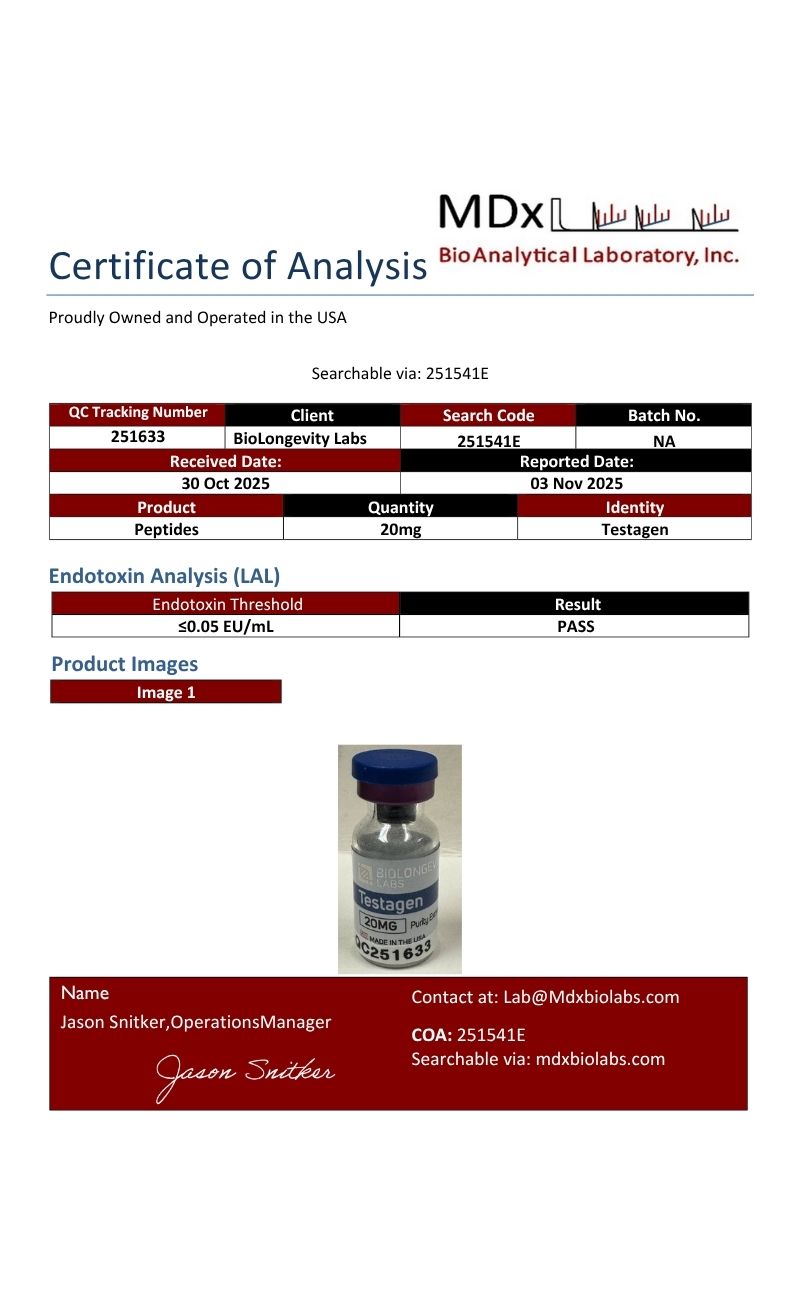
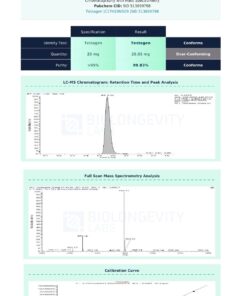
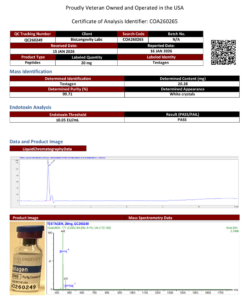
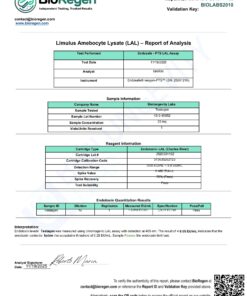
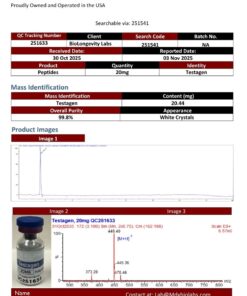
A Certificate of Analysis (COA) is a document that verifies a compound’s identity, purity, and batch quality through independent laboratory testing. Every compound from BioLongevity Labs ships with a COA tied to its specific batch, so researchers can confirm exactly what they received before it enters a protocol.
Each COA reports results from third-party laboratory analysis, including:
- High-performance liquid chromatography (HPLC) for purity, typically confirmed at 99% or higher
- Liquid chromatography mass spectrometry (LC-MS) for molecular identity and mass confirmation
- Sterility and endotoxin screening where applicable
- Chemical contaminant and residual solvent checks
COAs are sourced from independent certified labs rather than in-house testing alone, giving researchers a verifiable record of molecular integrity for each batch. All compounds are supplied for research use only.
Be the first to review “Testagen Peptide (20mg)”
Related products
Bioregulators (Vials)
Bioregulators (Vials)
Bioregulators (Vials)
Bioregulators (Vials)
Bioregulators (Vials)
Bioregulators (Vials)
Bioregulators (Vials)
Bioregulators (Vials)
Reviews
There are no reviews yet.