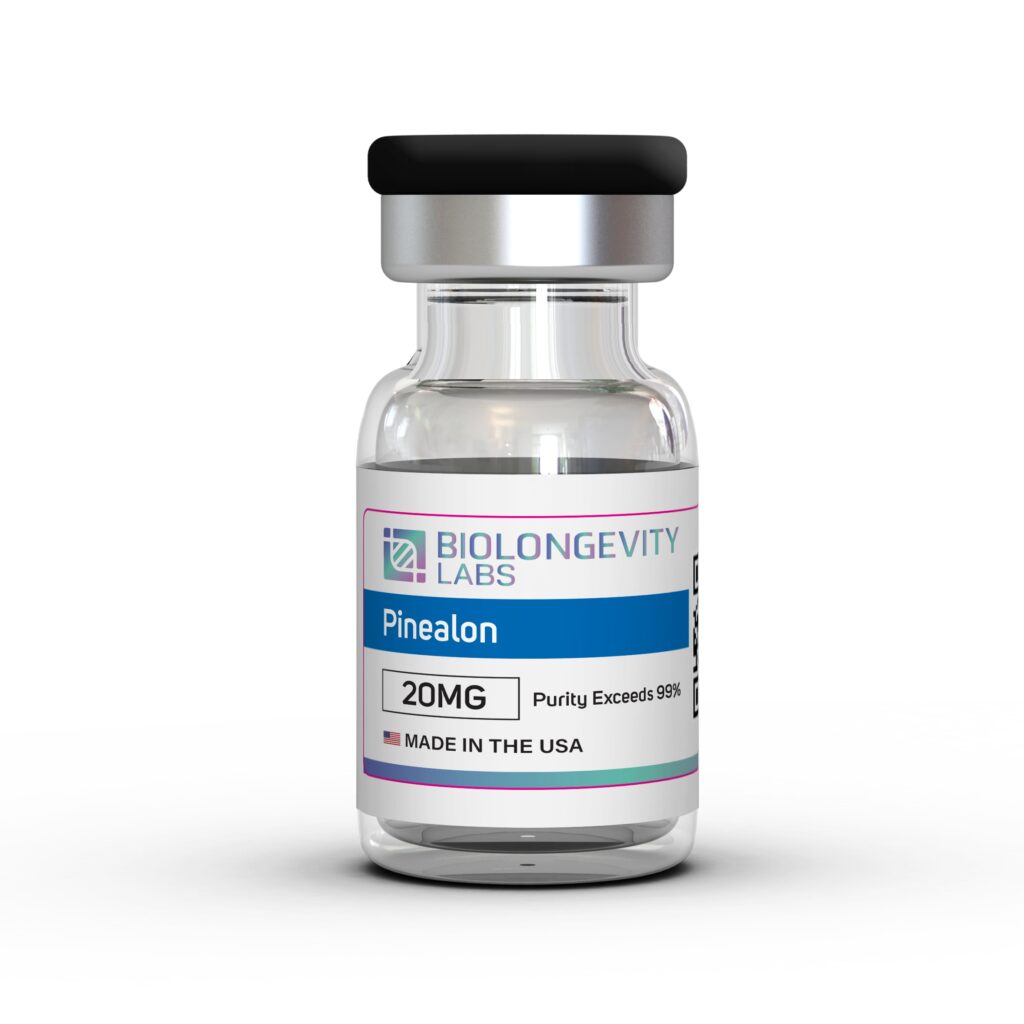
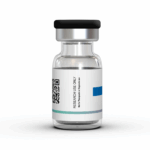
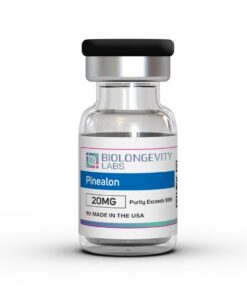
Pinealon (20mg) For Sale
Pinealon, a synthetic tripeptide composed of Glu-Asp-Arg, has been studied for its potential neuroprotective and antioxidative properties. It has shown promise in various experimental models, particularly in relation to oxidative stress and neurodegenerative conditions.
Pinealon Peptide Bioregulator Description
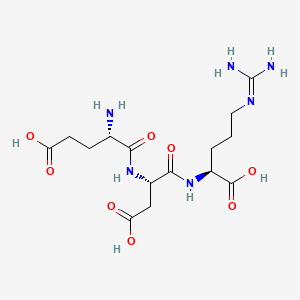
Pinealon is a synthetic tripeptide bioregulator composed of the amino acids L-glutamic acid, L-aspartic acid, and L-arginine (Glu-Asp-Arg/EDR). Classified as a cytogen, it interacts directly with DNA to modulate gene expression, distinguishing it from receptor-dependent peptides. Developed from Russian research on neuroprotective agents, Pinealon targets the pineal gland and central nervous system with multi-modal biological activity.
Peptide Information
| Property | Value |
|---|---|
| Peptide Sequence | Glu-Asp-Arg |
| Molecular Formula | C15H26N6O8 |
| Molecular Weight | 418.40 g/mol |
| CAS Number | 175175-23-2 |
| PubChem CID | 18220191 |
| Synonyms | Glutamylaspartylarginine, Glu-Asp-Arg, H-Glu-Asp-Arg-OH, L-Glu-L-Asp-L-Arg, 175175-23-2 |
Pinealon Research
Pinealon (Glu-Asp-Arg) is a synthetic peptide bioregulator with diverse biological activities, including enhancing learning and memory, exhibiting antioxidant and neuroprotective properties, and regulating neuroinflammatory responses. Its ability to interact with DNA and correct neurochemical disturbances further underscores its potential therapeutic applications in various neurological and metabolic disorders.
Effects on Learning and Memory
Pinealon has been shown to have a significant impact on learning and memory, particularly in the context of experimental diabetes in rats. In a study using the Morris water maze, pinealon was administered at various doses, and it was found that a dose of 100 ng/kg had the most positive effect on maintaining acquired skills during streptozotocin-induced diabetes. This dose also resulted in minimal changes in the expression levels of NMDA receptor subunit genes, suggesting a protective effect on cognitive functions.1
Cellular Penetration and DNA Interaction
Pinealon, along with other short peptides, has demonstrated the ability to penetrate animal cells and interact with nuclear components, including DNA. This interaction is sequence-specific, with pinealon showing a preference for binding to CAG-containing sequences. Such interactions suggest that pinealon may play a role in regulating gene activity through epigenetic mechanisms.2
Antioxidant and Neuroprotective Properties
Pinealon exhibits antioxidant properties by restricting reactive oxygen species (ROS) accumulation and reducing necrotic cell death in various cell types. It also modulates the cell cycle, indicating its potential to interact directly with the cell genome beyond its antioxidant activity.3 Additionally, pinealon has been shown to protect rat offspring from prenatal hyperhomocysteinemia, improving cognitive function and resistance to oxidative stress in neurons.4
Antihypoxic Effects
Pinealon has demonstrated pronounced antihypoxic properties, particularly in models of hypobaric hypoxia. It enhances neuronal resistance to hypoxic stress by stimulating internal antioxidative enzyme systems and potentially limiting excitotoxic effects.5
Regulation of Neuroinflammatory Responses
In conditions of sharp hypoxic hypoxia, pinealon has been observed to promote neurogenesis and reduce neuroinflammatory reactions, suggesting its potential in managing brain hypoxia and related conditions.6
Correction of Neurochemical Disturbances
Pinealon has been effective in correcting hyperhomocysteinemia-induced disturbances in the diurnal dynamics of norepinephrine content in the hypothalamus, which is crucial for reproductive function in female rats. This highlights its neuroprotective effects and therapeutic potential in reproductive health research.7
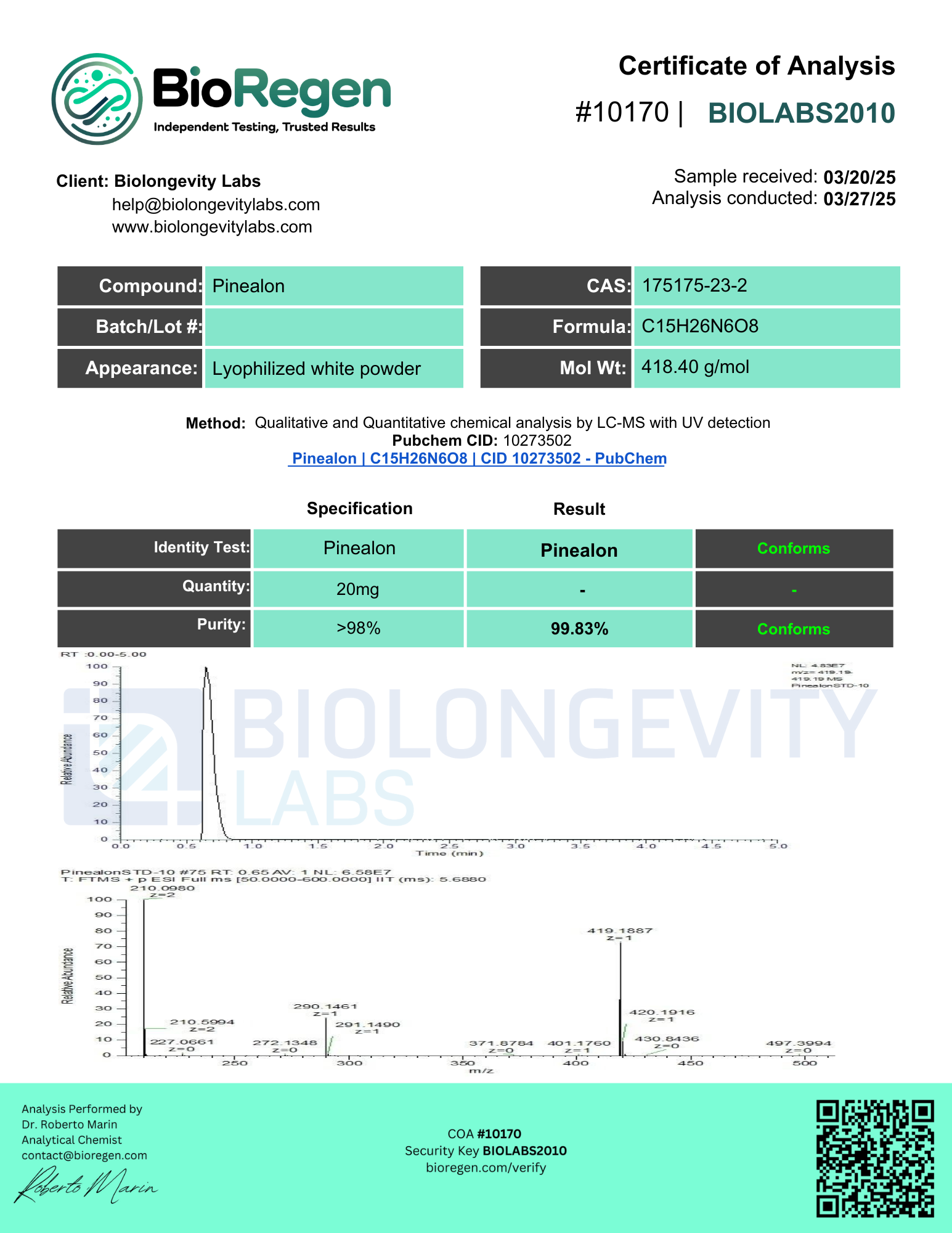
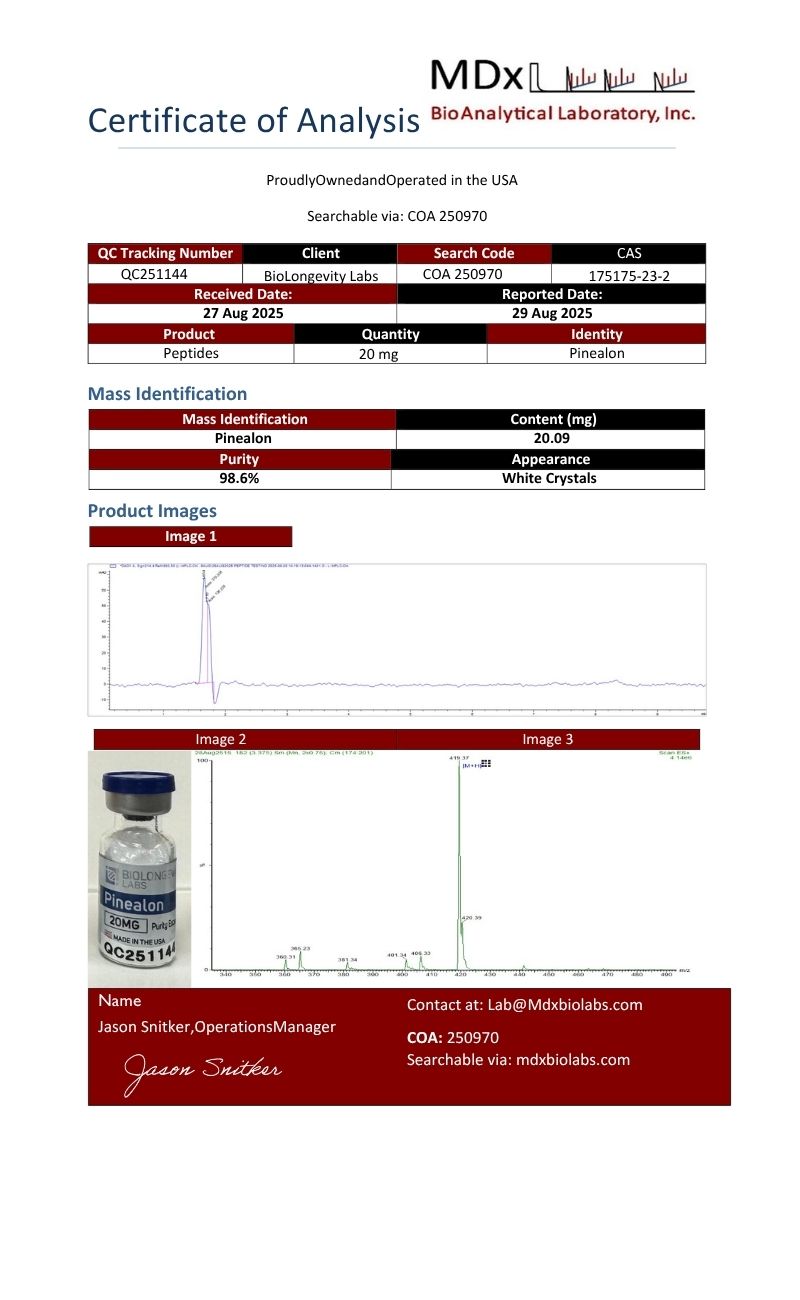
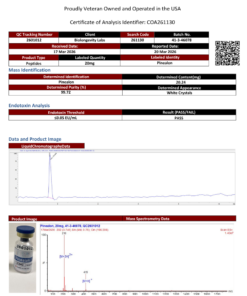
Certificate of Analysis (COA) for Every Batch
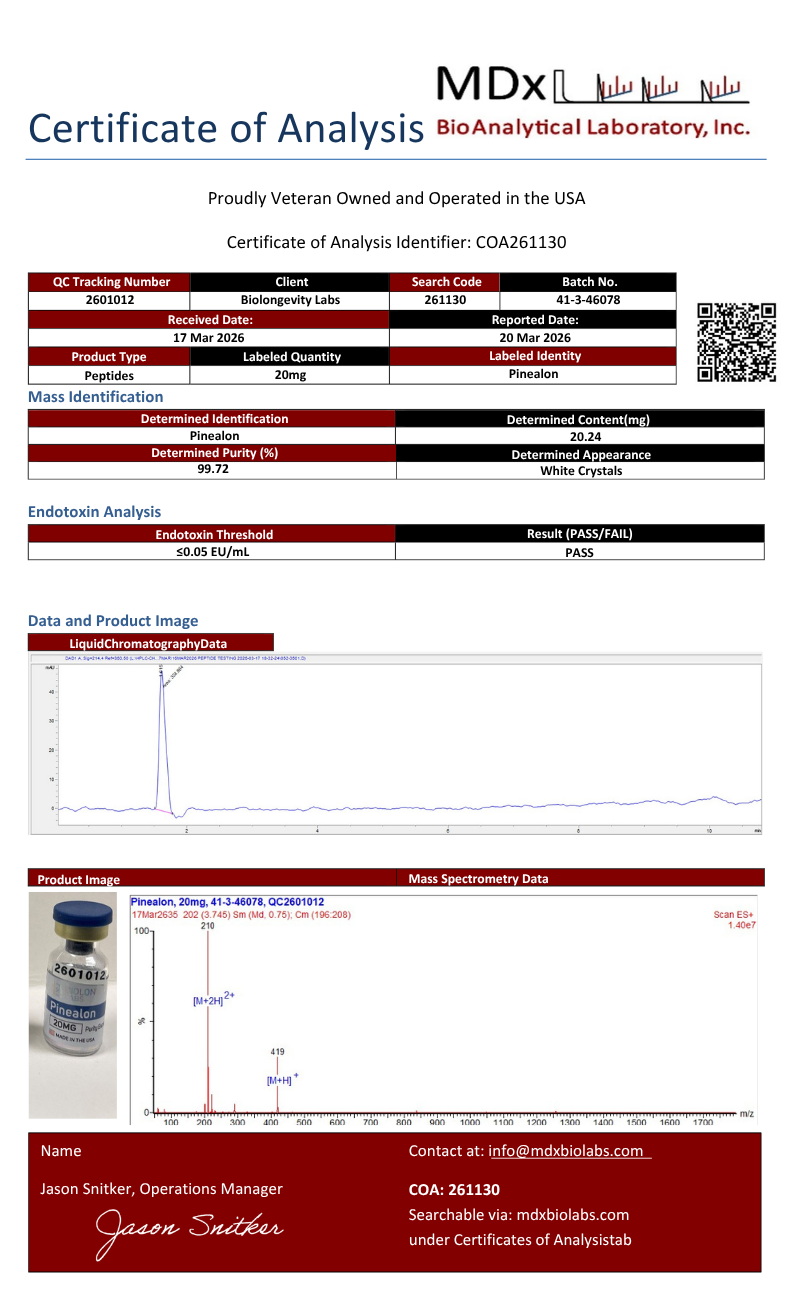
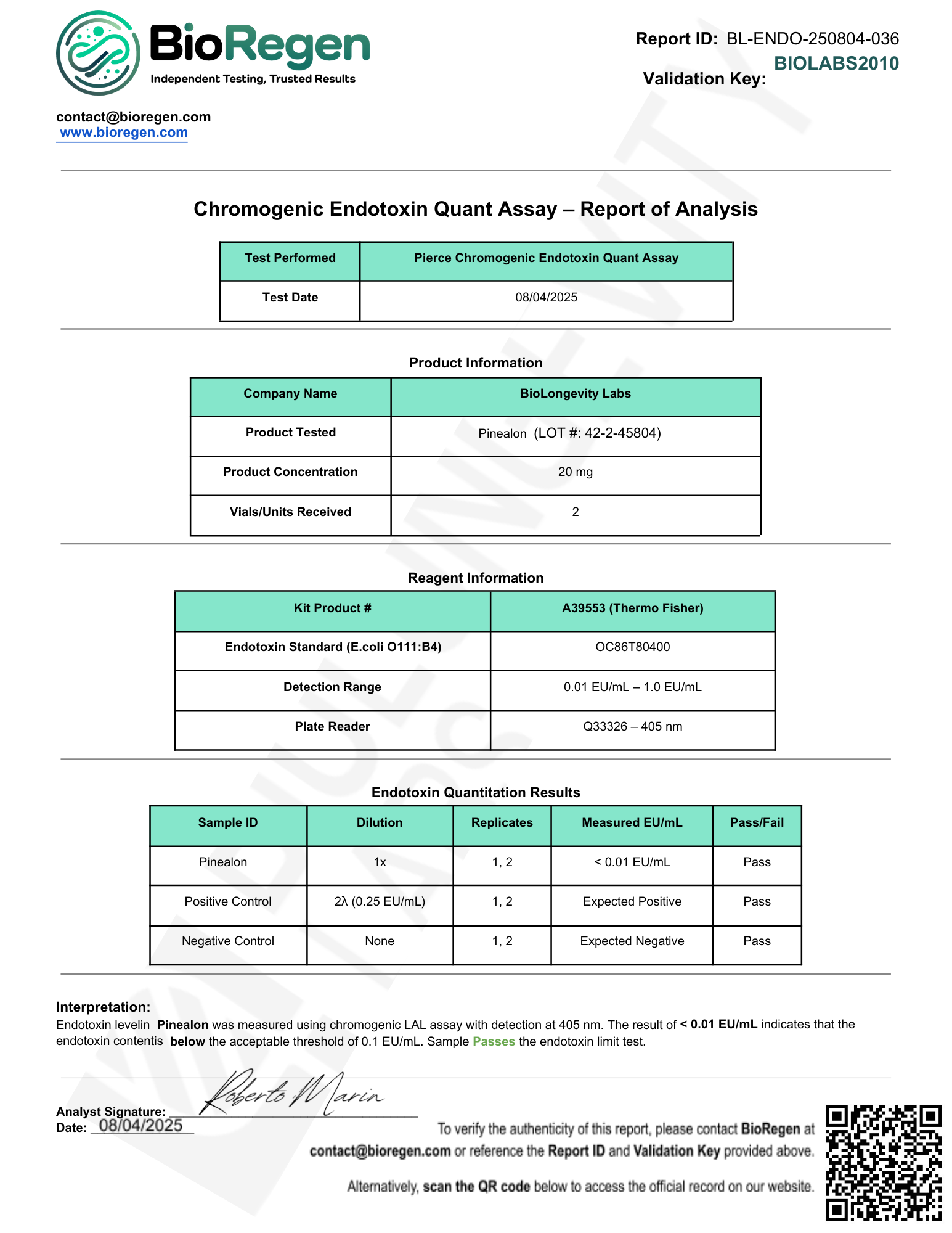
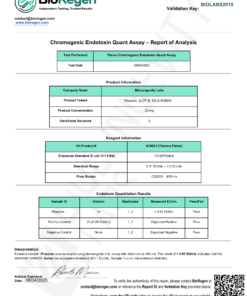
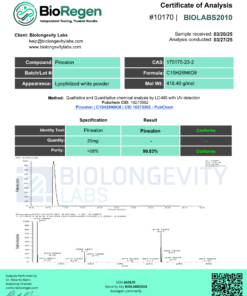
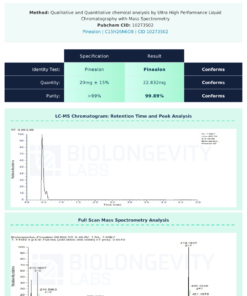
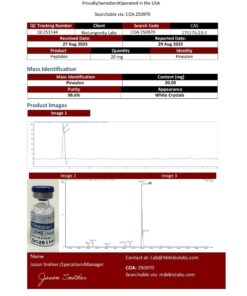
A Certificate of Analysis (COA) is a document that verifies a compound’s identity, purity, and batch quality through independent laboratory testing. Every compound from BioLongevity Labs ships with a COA tied to its specific batch, so researchers can confirm exactly what they received before it enters a protocol.
Each COA reports results from third-party laboratory analysis, including:
- High-performance liquid chromatography (HPLC) for purity, typically confirmed at 99% or higher
- Liquid chromatography mass spectrometry (LC-MS) for molecular identity and mass confirmation
- Sterility and endotoxin screening where applicable
- Chemical contaminant and residual solvent checks
COAs are sourced from independent certified labs rather than in-house testing alone, giving researchers a verifiable record of molecular integrity for each batch. All compounds are supplied for research use only.


Reviews
There are no reviews yet.